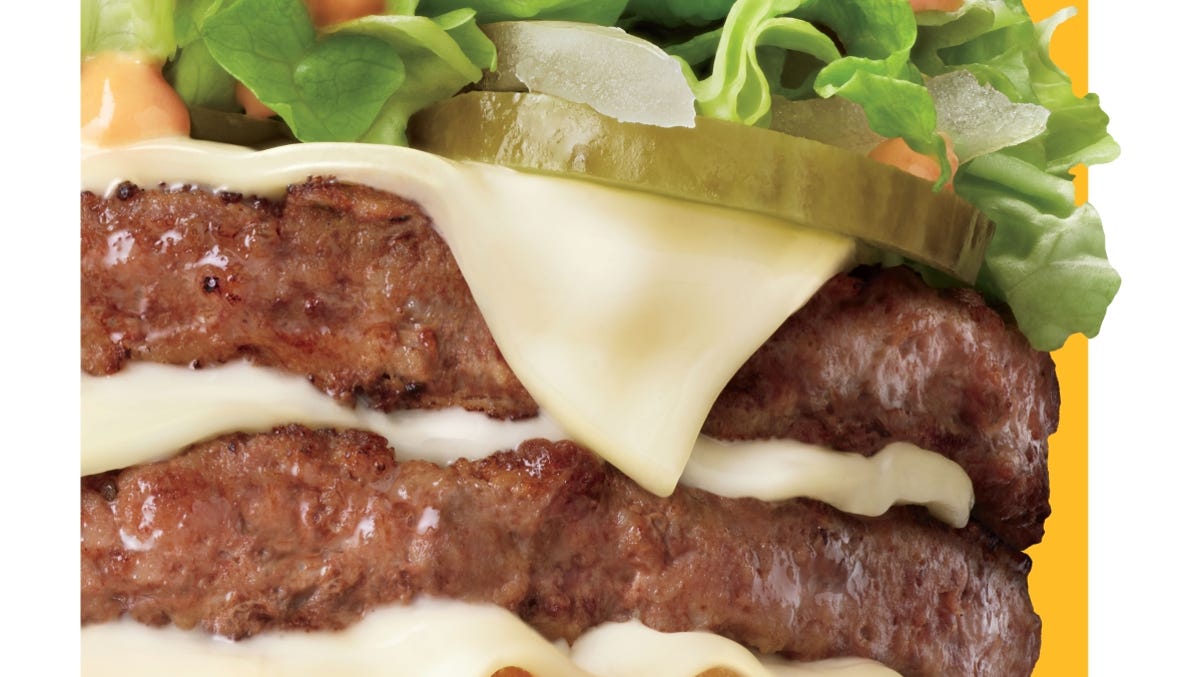
The recent public relations crisis surrounding McDonald’s CEO Chris Kempczinski’s viral taste test for the Big Arch burger reveals a significant operational vulnerability: the risk inherent in executive visibility within digitally mediated consumer engagement channels.
Strategic Exposure: The Unscripted Executive Persona
The concerted trend of business leaders leveraging direct-to-camera presence to engineer consumer relatability is functionally compromised when execution lacks congruence with core brand messaging. Kempczinski’s documented performance—characterized by visible awkwardness and the clinical description of the sandwich as a “product”—created immediate cognitive dissonance.
This incident signifies a failure in maintaining the controlled narrative typical of major product introductions. The CEO functioned as an unconvincing proxy for genuine consumer enthusiasm, directly undermining the carefully constructed value proposition of the Big Arch, a product tied to substantial capital investment for its March launch.
Linguistic Detachment: ‘Product’ vs. Experiential Consumption
The CEO’s specific lexical choice—referring to the complex, high-calorie sandwich (1,057 calories in the UK) as a “product” rather than a meal or food item—is structurally significant. This linguistic detachment implies an engineering or transactional lens, contrasting sharply with the experiential focus required for high-volume, impulse-driven fast-food sales.
This critique amplified instantly across social feedback loops. The ridicule bypasses traditional media filters, demonstrating how executive missteps become weaponized by organic commentary, directly eroding brand equity at scale during a critical product introduction window.
Competitive Vulnerability and Understated Endorsement
In the fiercely competitive QSR sector, where consumer trust dictates market share, a high-profile failure in authentic endorsement creates immediate competitive lag. Rivals are positioned to leverage this visual evidence of executive skepticism to question the perceived quality and desirability of the new flagship offering.
The narrative pivot shifts from the Big Arch’s specifications (size, premium ingredients) to the CEO’s apparent lack of conviction. Counteracting this secondary, negative narrative requires diverting marketing resources precisely when initial sales velocity is paramount.
The High Cost of Failed Relatability Initiatives
The premise that executive relatability translates directly into purchasing intent was severely tested. Kempczinski’s experience provides a concrete case study in the negative ROI of failed attempts to bridge the executive-consumer gap, resulting in amplified cynicism.
This outcome mandates rigorous re-evaluation of content governance for all C-suite social engagements. The threshold for acceptable performance in unscripted digital demonstrations has demonstrably lowered, demanding robust contingency planning for public-facing product validation.
Internal Alignment and Morale Complications
Beyond external perception, internal consequences affect frontline operations. Employees tasked with promoting the Big Arch must now navigate public mockery directed at their leadership’s perceived insincerity. This dissonance threatens operational buy-in, which is crucial for sustaining a major national launch.
Platform Mismatch and Algorithmic Amplification
The posting on Instagram, preceding the US launch, exhibited a platform mismatch. Instagram demands polished visual vernacular; the raw, awkward execution starkly contrasted with this expectation, accelerating negative reception. Algorithmic amplification driven by negative engagement signals—a force difficult for corporate comms to predict—ensured the rapid saturation of the critical content.
Investor Scrutiny and Strategic Execution
Sustained negative optics concerning core product rollouts invariably filter into analyst assessments of management competence. Investors view the successful launch of major menu innovations—which require significant supply chain and marketing commitments—as a key indicator of strategic execution capability. Retrospectively, the documented hesitation will be cited as an early sign of potential internal misalignment, adding post-launch scrutiny to performance reviews.
The Core Brand Contradiction
McDonald’s framed the Big Arch as the “most McDonald’s” burger, implying a strategy leveraging nostalgia and comfort. The CEO’s inability to convincingly embody this comfort created a structural contradiction: the messenger’s brand equity liability overshadowed the product narrative designed for long-term patrons.
Mitigation and Future Governance Imperatives
The incident establishes a new standard: perceived authenticity is a non-negotiable operational requirement for executive communication promoting core revenue drivers. The structural implication is a sharp increase in the barrier to entry for executive digital participation; failure now equates to immediate, widespread erosion of credibility regarding product sincerity.
Future executive communication will likely necessitate either highly sanitized, pre-approved formats or a near-total retraction from unscripted endorsements. The speed of the video’s transformation from a routine post to a viral phenomenon underscores the fragility of managed messaging against unscripted human reaction. This serves as a critical inflection point, demonstrating that the executive persona is now an integrated, high-leverage component of the product offering itself, subject to unforgiving public performance review.