
Higher Education Governance: Transparency, Financial Strategy, and Accountability
Recent strategic actions by the governing boards of Yavapai College and Midland College illustrate the complex challenges facing higher education leadership in balancing public accountability with financial sustainability. While seemingly disparate—Yavapai focusing on procedural transparency and Midland on asset monetization—these decisions collectively demonstrate the heightened scrutiny and financial pressure under which institutions operate.
Case Study 1: Yavapai College and Procedural Transparency
Yavapai College’s Governing Board recently voted 4-1 to resume in-person meetings, ending a year-long use of virtual sessions via Zoom that began in February 2025. This decision reflects a broader re-evaluation of post-pandemic governance and institutional transparency. The shift was primarily motivated by operational deficiencies in the virtual format, specifically the difficulty in identifying board members and staff participating in the meetings. This procedural failure compromised public oversight, as stakeholders could not clearly attribute statements or decisions to specific individuals.
The core issue at Yavapai was not simply a preference for physical gatherings, but a breakdown in accountability inherent in the virtual implementation. When a governing board’s platform obscures speaker identities, it fundamentally erodes public trust. This lack of transparency undermines the integrity of decision-making, potentially creating reputational risk among students, faculty, and the broader community. The board’s corrective action—prioritizing in-person meetings—is therefore a defensive strategy aimed at restoring confidence by re-establishing a clear procedural framework where actions are fully attributable to specific members, thereby strengthening the board’s legal and ethical standing.
Case Study 2: Midland College and Asset Monetization
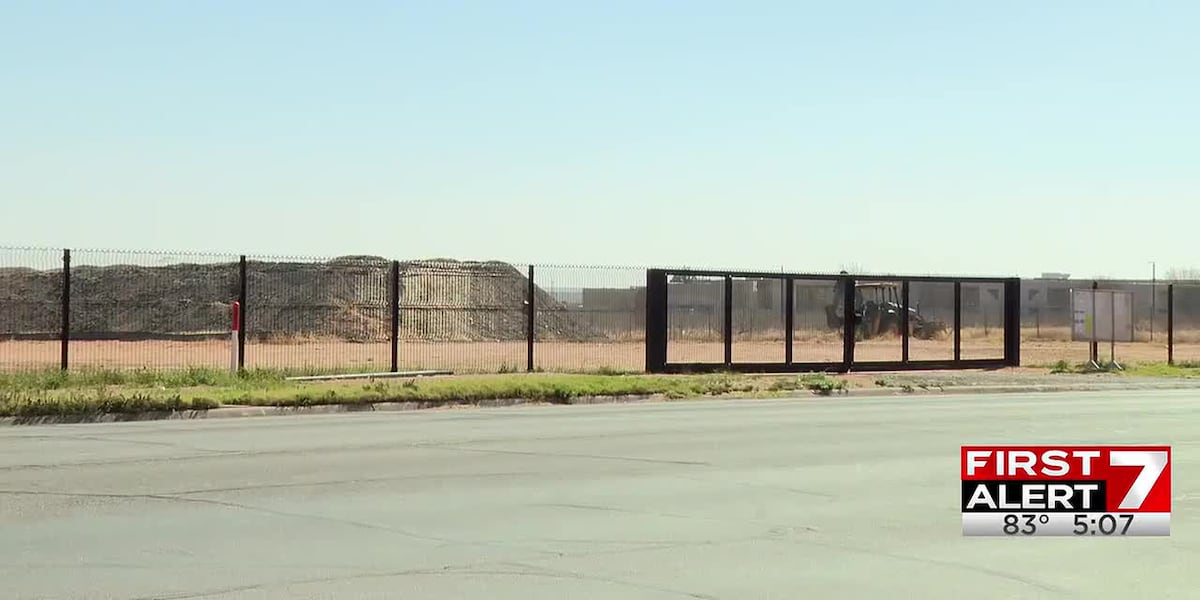
Conversely, Midland College’s recent approval of a drilling agreement on campus land highlights a strategic response to financial pressures. As state funding for higher education fluctuates and tuition revenues face pressure from demographic shifts, institutions are increasingly seeking non-traditional revenue streams. The decision to monetize institutional property through a drilling agreement represents an aggressive financial strategy to secure capital outside of standard educational funding models.
This approach, while offering potential financial gains, introduces significant risks. The institution must navigate environmental liabilities and potential reputational damage associated with resource extraction. This decision requires a careful balancing act between immediate financial stability and long-term institutional mission, particularly concerning sustainability and community impact. The governing board’s approval signifies a strategic prioritization of financial viability, reflecting a broader trend in higher education finance where institutions act as asset managers to support their primary mission.
Synthesis: Governance in a Dynamic Environment
The juxtaposition of these two events underscores the dual challenges facing modern college governing boards. The Yavapai College case serves as a reminder that procedural integrity and transparency are non-negotiable foundations for public trust, even in the face of technological convenience. The Midland College case illustrates the high-stakes financial decisions boards must make to ensure institutional viability in a competitive and resource-constrained environment. Both actions demonstrate the critical role of governance in balancing competing interests and managing complex institutional risk in the modern era.

Photo by 1139623 on Pixabay.