Strategic Engineering Analysis: The 2021-2024 Highlander Seat-Back Defect
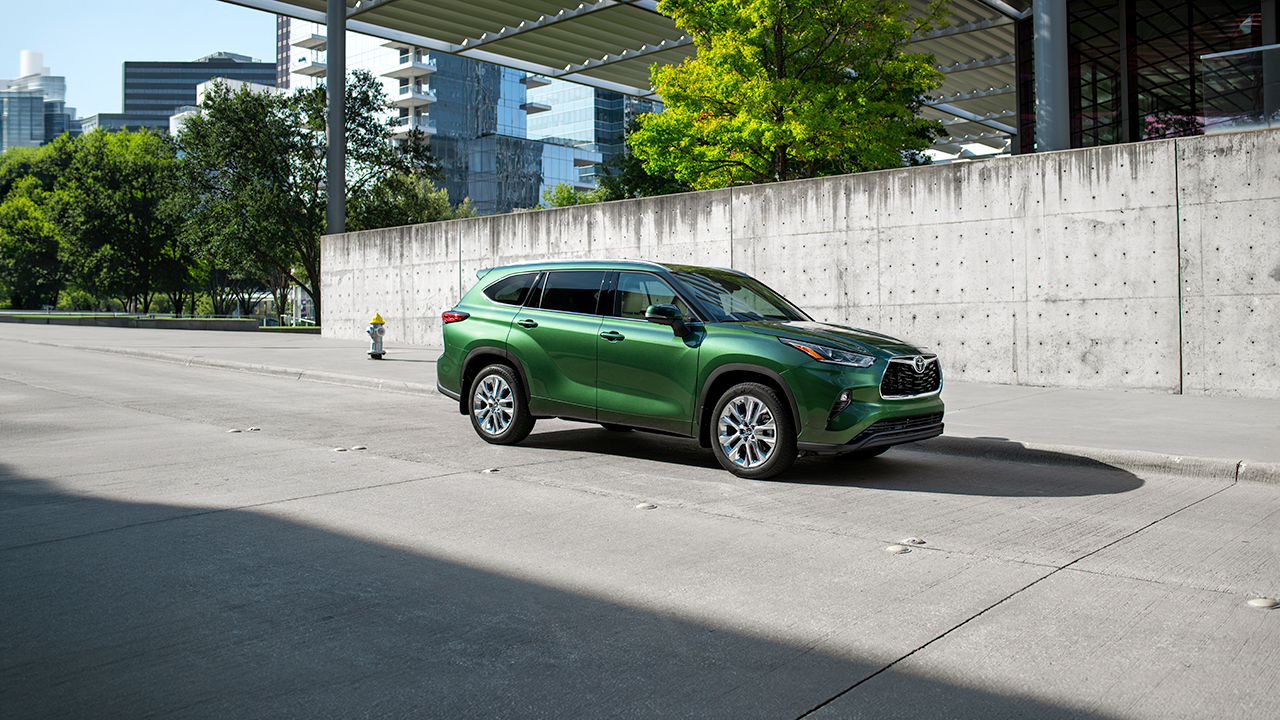
Toyota Motor Corp. has formally initiated a safety recall (NHTSA filings 26TB06 and 26TA06) impacting approximately 550,007 vehicles in the U.S. market. The recall targets the 2021-2024 Highlander and Highlander Hybrid models, specifically addressing a systemic mechanical failure within the second-row seat-back recliner assemblies. Engineering assessments indicate that compromised return springs may prevent the seat back from locking into a secure, upright position.
This defect represents a critical vulnerability in the vehicle’s occupant restraint architecture. According to the National Highway Traffic Safety Administration (NHTSA), an unlocked seat back during a high-speed kinetic event undermines the structural integrity of the passenger cabin. The failure to secure the seat back renders primary safety features, such as seatbelts and side-curtain airbags, significantly less effective by altering the occupant’s design-specified crash position.
Market Volatility and Operational Remediation Costs
The scale of the recall—encompassing 420,771 internal combustion engine (ICE) units and 129,236 Hybrid variants—has triggered immediate financial scrutiny. Toyota’s shares (TM) experienced a 1.92% decline to 216.45 following the disclosure. Investors are evaluating the long-term impact of non-reimbursable service labor and parts procurement costs across the North American dealership network.
Operationally, the remediation involves the universal replacement of the recliner return springs at no cost to the consumer. However, the logistical complexity of managing a half-million-unit surge in service volume through the second and third quarters of 2024 may strain dealership capacity. This recall coincides with other technical challenges for the automaker, including separate door-latch issues affecting 141,000 units, suggesting a period of heightened technical volatility for the brand’s regional fleet.
Regulatory Oversight and Competitive Positioning
The persistence of this defect across four consecutive model years indicates a potential lapse in component stress testing or vendor quality assurance protocols. By utilizing a phased notification approach—with official owner letters scheduled for April 2024—Toyota aims to mitigate immediate liability while managing supply chain readiness for the improved hardware.
In the highly contested mid-size, three-row SUV segment, this recall provides a tactical opening for competitors to highlight their own crashworthiness certifications. Toyota’s historical reputation for reliability serves as a buffer, yet the safety-critical nature of this failure—particularly given that second-row seating is the primary domain for child passengers—demands a rapid and transparent resolution to preserve long-term brand equity.