Fanatics’ Ecosystem Strategy: Redefining Sports Betting Customer Acquisition with FanCash
Fanatics’ entry into the sports betting market introduces a strategic disruption focused on customer acquisition costs (CAC) and customer lifetime value (LTV). While traditional incumbents rely heavily on high-value cash bonuses to attract users, Fanatics leverages its existing retail and merchandise ecosystem, transforming its acquisition strategy from a pure expense model into a cross-platform revenue driver. The core mechanism of this strategy is FanCash, a loyalty currency that serves as the primary incentive for sports betting activity, redeemable across Fanatics’ apparel and collectibles segments.
The FanCash Economic Model: From Liability to Revenue Driver
The FanCash model presents significant financial advantages over traditional cash bonuses offered by competitors like DraftKings and FanDuel. When competitors issue a cash bonus, it represents a direct liability and a cost against revenue. Conversely, when Fanatics offers FanCash, the liability is tied to the cost of goods sold (COGS) for apparel or collectibles, where Fanatics retains significant profit margins. This approach allows Fanatics to manage its customer acquisition costs more efficiently by converting a direct expense into a margin-generating transaction within its broader ecosystem.
FanCash facilitates a closed-loop economy within the Fanatics ecosystem. The source data confirms that FanCash earned from sports betting can be redeemed for Fanatics merchandise. This mechanism prevents users from immediately withdrawing bonus funds, a common challenge for traditional sportsbooks. By locking value within the ecosystem, Fanatics increases the overall LTV of the acquired customer and strengthens its financial position against competitors that must constantly battle for market share with direct cash incentives.
Behavioral Science and Retention Strategies
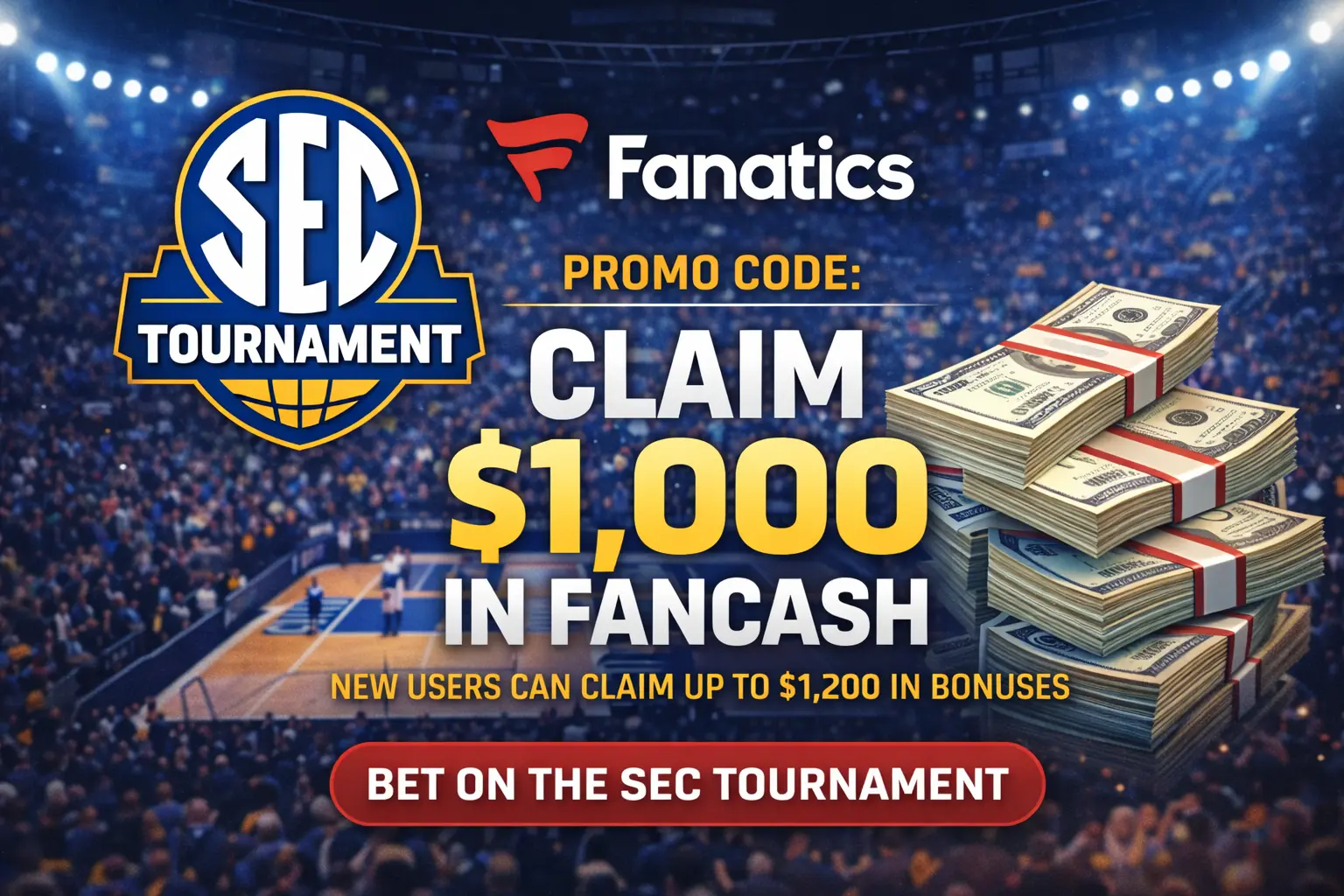
Fanatics’ promotional structure employs sophisticated behavioral conditioning strategies designed for long-term retention. The source data highlights two distinct types of offers: high-value, instant bonuses for initial sign-ups and structured, multi-day programs designed for sustained engagement. The “Bet $5, get $200 FanCash instantly” offer functions as a high-impact incentive to overcome initial user inertia during peak events like March Madness.
In contrast, multi-day programs like the “10-day bet match program” for specific tournaments or the “1,000 Bonus Spins distributed over 10 straight days” for the iGaming segment are designed to build daily usage habits. These offers require users to opt in daily or maintain a streak, effectively conditioning users to return to the platform repeatedly. This strategy significantly increases the likelihood of long-term retention by establishing a routine, thereby maximizing the return on the initial acquisition investment. The daily distribution of bonuses, rather than a single lump sum, mitigates the risk of users cashing out immediately and encourages continued platform engagement over time.
Market Prioritization and Competitive Differentiation
The state-by-state rollout documented in the source data reflects a fragmented regulatory landscape and Fanatics’ strategic prioritization of specific market segments. The sportsbook operation is available in 23 states, including major markets like New Jersey, Pennsylvania, and Ohio, alongside emerging markets such as Kentucky and North Carolina. This broad geographic footprint indicates a rapid expansion strategy for sports betting, capitalizing on the widespread legalization trend.
Conversely, the iGaming (casino) segment shows a much more cautious approach, with availability limited to just four states: Michigan, New Jersey, Pennsylvania, and West Virginia. This disparity highlights the differing regulatory hurdles and market maturity for sports betting versus online casino operations. The strategic decision to prioritize sports betting expansion allows Fanatics to leverage its existing brand recognition among sports fans, while the more restricted iGaming rollout focuses on key states with established regulatory frameworks and high revenue potential.
Long-Term Ecosystem Lock-in
Fanatics’ strategy represents a significant shift in the competitive landscape of online gambling. Instead of competing solely on odds or user interface, Fanatics leverages its existing brand equity and customer base in sports retail. This ecosystem approach allows Fanatics to differentiate itself from competitors by offering a tangible, non-gambling reward for betting activity, thereby appealing to a broader audience of sports fans who may not be primarily motivated by gambling alone.
The success of this strategy hinges on Fanatics’ ability to effectively convert FanCash into merchandise sales, thereby generating revenue from both gambling and retail. If successful, this model could redefine the competitive dynamics of the sports betting industry, pushing competitors to consider similar ecosystem integrations or to increase their cash bonuses significantly to compete on price. The documented promotions serve as a clear signal of Fanatics’ intent to disrupt the market by leveraging its unique position as a vertically integrated sports entertainment company.