
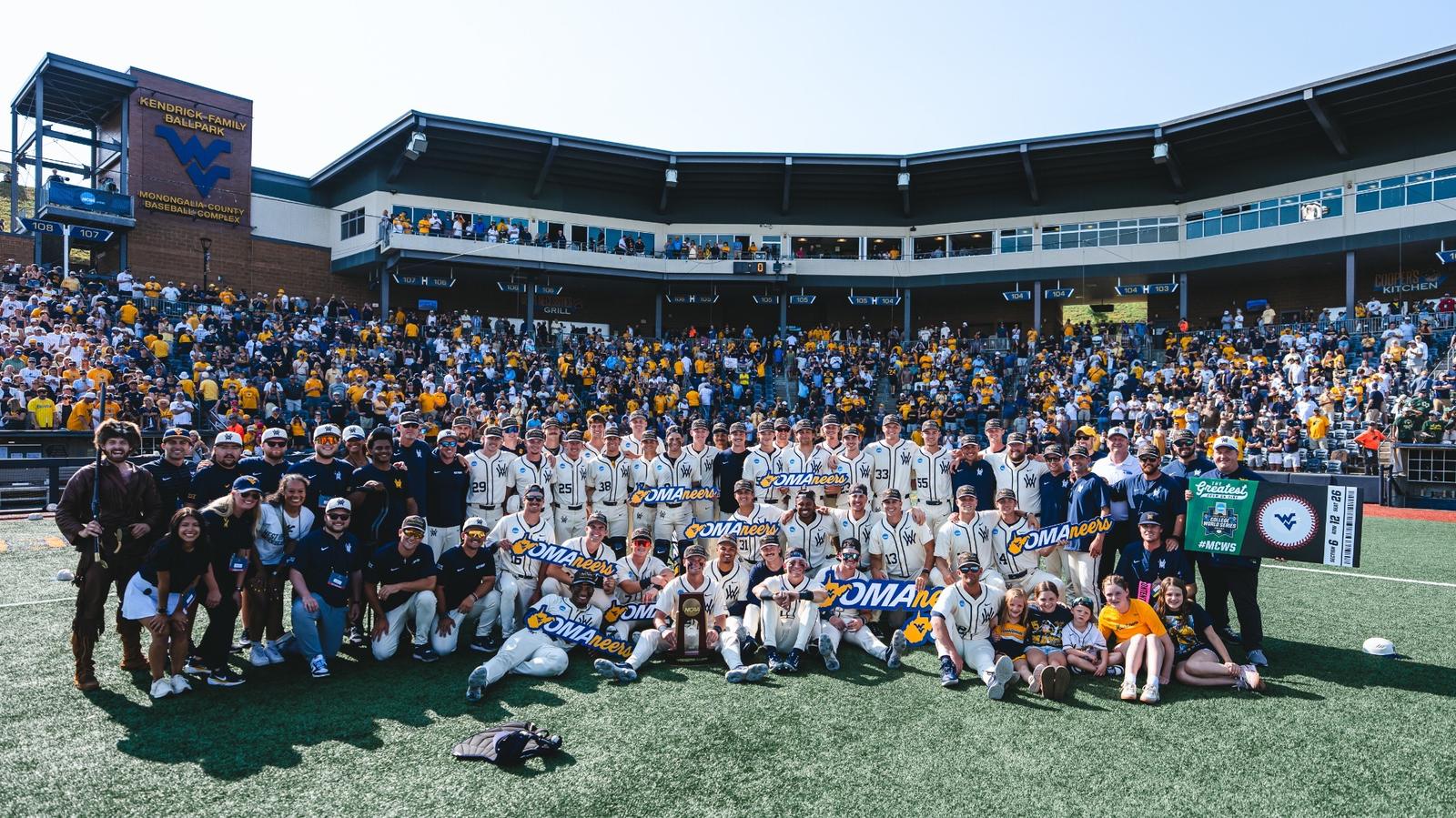
West Virginia University’s advancement to the 2026 College World Series transcends a mere seasonal peak; it definitively validates a comprehensive program restructuring. The Mountaineers’ dominant 17-1 victory over Cal Poly on June 6 showcased an unparalleled offensive and tactical synchronization, signaling a profound institutional shift in competitive philosophy and priority for the WVU baseball program.
Coach Sabins’ post-game reflection underscores the program’s extraordinary trajectory: transitioning from near-shuttering to a national contender. This remarkable resurgence is a testament to a pivotal administrative and strategic overhaul, encompassing a successful realignment of resources, refined recruitment strategies, and a revitalized internal culture. This comprehensive institutional pivot transformed a nearly defunct athletic asset into a high-performing collegiate baseball powerhouse.
The decisive 17-1 scoreline against Cal Poly transcended mere talent disparity, serving instead as a masterclass in relentless operational pressure. By amassing a season-high 19 hits and 17 runs, West Virginia meticulously exploited every defensive vulnerability, demonstrating a crucial peak in performance timing essential for high-stakes NCAA postseason play.
Tactical Aggression and Base-Path Efficiency
The Mountaineers’ strategic identity against Cal Poly was definitively shaped by an aggressive, high-leverage approach to baserunning, exemplified by a season-high nine stolen bases. This tactical choice inherently forces opposing defensive units into accelerated, high-stress decision-making cycles, thereby increasing the probability of critical errors and systematically disrupting the rhythm of the opposing pitcher.
Junior Armani Guzman was instrumental to this disruptive strategy, tying a West Virginia single-season record with his 38th stolen base. His rare ability to synergize elite speed with timely situational hitting – including his first home run of the season – furnishes the Mountaineers with a multi-dimensional offensive threat, profoundly complicating defensive positioning and pitching sequences for adversaries.
The flawless execution of a first-and-third double steal by sophomore Matt Ineich and senior Matthew Graveline in the pivotal second inning further epitomizes the team’s advanced tactical sophistication. These high-risk, high-reward maneuvers are strategically deployed not only to demoralize the opposition but also to efficiently manufacture crucial runs, thereby diversifying scoring avenues beyond exclusive reliance on power hitting.
Offensive Synchronization and Power Metrics
While an aggressive baserunning scheme served as a primary catalyst, the Mountaineers concurrently showcased formidable raw power, blasting a season-high five home runs during the decisive victory. This significant surge in power hitting, especially within the high-pressure postseason environment, strongly indicates both a highly successful physical conditioning program and a sophisticated, refined approach to pitch selection across the core lineup.
Senior Ben Lumsden’s impactful performance, featuring two home runs and five RBIs, critically underscores the invaluable role of veteran leadership in high-leverage postseason scenarios. His consistent ability to convert baserunners into runs acts as a vital stabilizing force for the offense, optimizing scoring efficiency and maintaining relentless pressure on opposing pitchers.
The pivotal back-to-back home runs by Lumsden and junior Tyrus Hall in the second inning delivered a significant psychological blow, instantaneously neutralizing Cal Poly’s early 1-0 lead. This exceptional rapid-response capability is a definitive hallmark of elite collegiate programs, unequivocally demonstrating the Mountaineers’ capacity to absorb initial pressure and retaliate with overwhelming offensive force.
Institutional Resilience and Program Valuation
The compelling narrative of a baseball program transitioning from the brink of being “almost shuttered” to securing a College World Series berth carries profound weight within the realm of collegiate athletic department management. This remarkable turnaround unequivocally indicates that West Virginia University’s leadership effectively identified and meticulously rectified systemic inefficiencies that previously jeopardized the program’s very existence.
This multifaceted program resurgence was demonstrably driven by a strategic combination of enhanced donor engagement, the targeted recruitment of high-ceiling talent, and the disciplined implementation of a modern, data-driven coaching philosophy under Coach Sabins. The synergistic outcome is a revitalized program that now commands significantly higher market value across key metrics: elevated media exposure, amplified recruitment appeal for elite prospects, and augmented institutional prestige within NCAA baseball.
Critically, advancing to the College World Series provides an unparalleled national platform for West Virginia University to significantly enhance its brand visibility, directly impacting future revenue streams. This heightened national exposure reliably correlates with augmented merchandise sales, increased ticket demand, and the establishment of a more robust pipeline of elite baseball prospects actively seeking a proven pathway to professional development and success.
Roster Architecture and Performance Depth
The impressive, balanced contribution across multiple academic classes—from emerging sophomores like Gavin Kelly to seasoned graduate students such as Sean Smith—underscores a meticulously constructed roster possessing exceptional sustainable depth. Kelly’s stellar 3-for-4 performance and Smith’s crucial RBI single unequivocally demonstrate that the Mountaineers’ offensive prowess is not reliant on a singular star player but rather originates from a formidable, strategically distributed offensive threat.
Junior Tyrus Hall’s second home run of the weekend powerfully illustrates a player achieving peak form at the season’s most critical juncture. Sustaining such high-level consistency across a high-pressure postseason weekend is highly indicative of a disciplined preparation regimen and an exceptionally resilient competitive mindset within the Mountaineers’ squad.
The seamless integration of senior Matthew Graveline’s clutch situational hitting and astute baserunning further optimizes a lineup capable of generating runs through diverse offensive means. This invaluable strategic versatility constitutes a critical asset for the College World Series, where varying park dimensions and diverse pitching repertoires necessitate dynamic, game-by-game offensive adaptations.
Strategic Implications for Postseason Momentum
The explosive seven-run second inning against Cal Poly, matching a season-high, serves as a definitive blueprint for the Mountaineers’ strategy to dominate opponents via concentrated, high-impact scoring bursts. These prolific innings typically emanate from a synergistic combination of disciplined plate approaches, relentlessly aggressive baserunning, and opportunistic capitalization on opposing defensive lapses.
Establishing such a dominant lead early in the contest afforded West Virginia crucial tactical flexibility in managing its pitching staff and defensive rotations. This proactive conservation of vital player resources becomes paramount during an arduous postseason run, where the cumulative physical and mental toll can decisively influence outcomes in subsequent, high-stakes rounds.
The resounding 17-1 victory serves as a potent psychological and strategic momentum builder, imbuing the team with elevated confidence as they transition to the venerable national stage in Omaha. Furthermore, such a decisive performance acts as a significant deterrent to prospective opponents, who must now meticulously strategize against a West Virginia offense demonstrably capable of prolific scoring bursts and relentless exploitation of speed on the base paths.
Conclusion of the Regional Phase
The successful transition from a formidable regional competitor to a College World Series participant unequivocally signifies the successful attainment of the program’s immediate tactical objectives. The Mountaineers have demonstrably showcased the indispensable components—formidable power, disruptive speed, sagacious veteran leadership, and astute strategic coaching—required to contend at the absolute highest echelon of NCAA collegiate baseball.
The team’s strategic focus now decisively shifts towards the unique and heightened challenges inherent to the College World Series, where the margin for error is critically narrowed and the caliber of opposition substantially elevated. Nevertheless, the profound foundational strengths prominently displayed in the dominant 17-1 victory over Cal Poly unequivocally affirm West Virginia’s readiness to adeptly manage both the intense institutional and competitive pressures of the national spotlight.
Ultimately, the 2026 season is poised to be etched into history as the year the West Virginia Mountaineers completed their extraordinary journey from the precipice of dissolution to the undisputed pinnacle of collegiate baseball. This unparalleled achievement stands as a compelling case study, illustrating with clarity how incisive strategic vision, combined with flawless tactical execution, can profoundly revitalize an athletic program and consistently deliver elite-level results.

Photo by petechacalos on Pixabay.