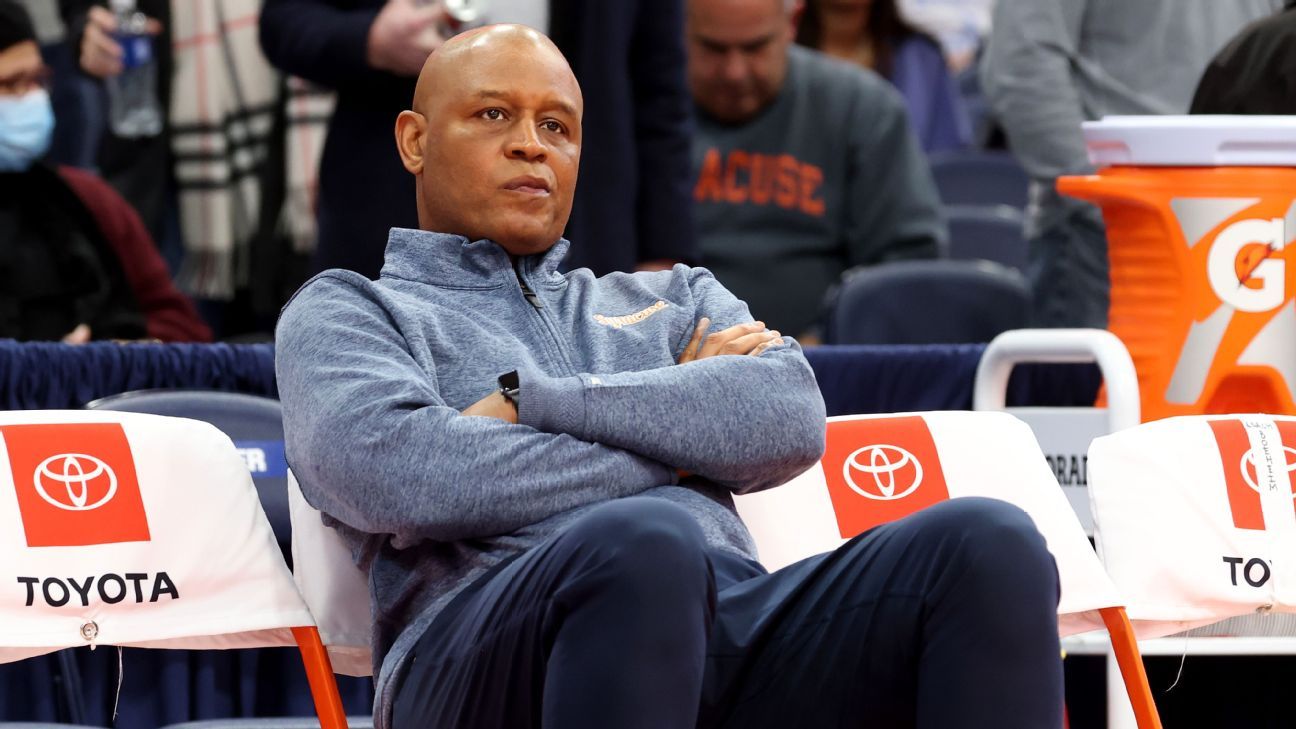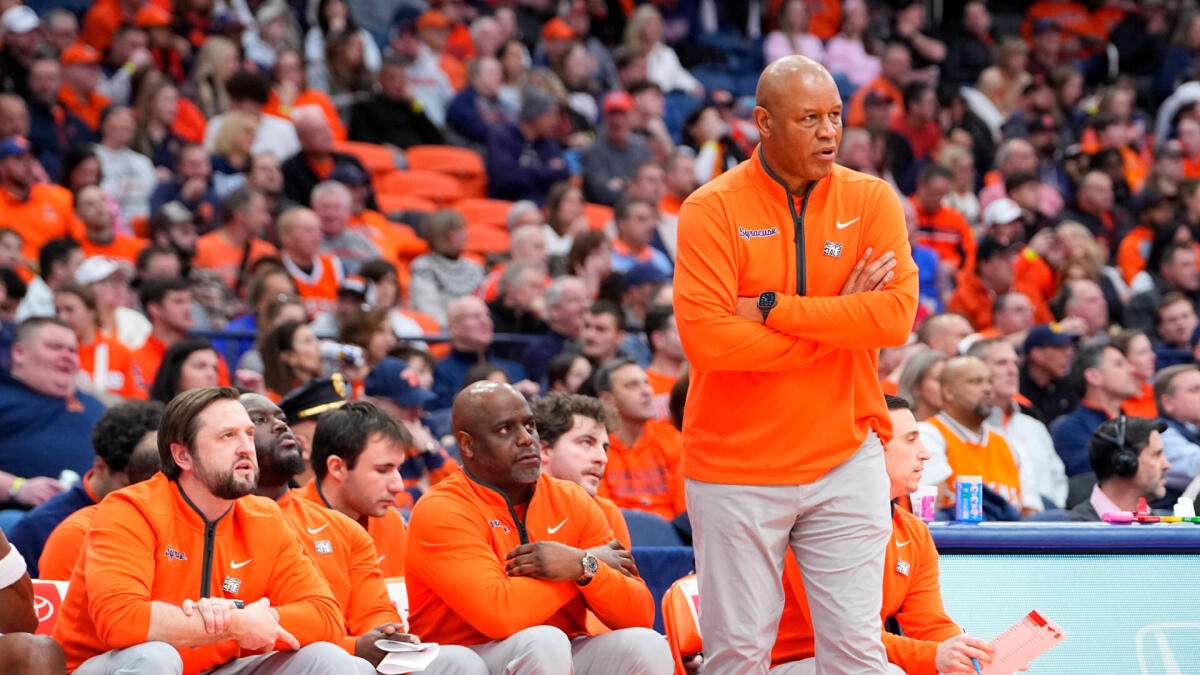
Syracuse University has terminated men’s basketball coach Adrian Autry following three consecutive seasons without an NCAA Tournament appearance, confirming a decisive institutional pivot. This decision marks the definitive failure of the initial, structured succession strategy designed to transition the program immediately following the departure of Jim Boeheim.
Analysis: Operational Failure of the Succession Model
Autry’s tenure concluded after a 15-17 finish, capped by a first-round ACC Tournament loss to SMU, resulting in a 14th-place conference finish. The data reveals a critical competitive erosion: the team lost its final six games and 12 of its last 15 contests. This operational collapse rendered his continuity untenable for university leadership.
The statistical evidence underscores systemic fragility: Autry compiled a 49-48 overall record (24-34 in conference play). Crucially, the team posted a devastating 1-20 record in Quadrant 1 matchups over the last two seasons. This persistent inability to secure high-leverage victories invalidates the primary mandate for a program historically defined by sustained national relevance.
Administrative Discontinuity Encapsulated in Timing
Sources indicate a procedural separation: outgoing Athletic Director John Wildhack executed the termination, leaving the subsequent critical hiring decision to the incoming AD. This administrative fracture—separating the firing from the strategic recruitment of the successor—introduces significant discontinuity precisely when unified institutional commitment is paramount for establishing a new strategic trajectory.
The inherited mandate was excessively burdened by legacy expectations. While Autry’s long tenure as an assistant provided institutional familiarity, it failed to translate into the requisite competitive leverage against the evolving strength of the ACC and the modern landscape of high-major college basketball.
Competitive Deficits and Erosion of Brand Equity
The 27 double-digit losses recorded during Autry’s tenure suggest more than merely a talent acquisition shortfall; they point toward exploitable systemic issues in game management or defensive architecture against higher-caliber opponents. This recurring pattern dictates the program’s current competitive tier is significantly below its historical anchor point.
The near-total absence of Quadrant 1 success directly impacts brand equity. For stakeholders invested in national visibility, this sustained underperformance in marquee matchups necessitates a fundamental reassessment of resource allocation and competitive alignment.
Internal Dynamics Complicating Stability
Internal turbulence, reportedly surrounding the utilization of Kiyan Anthony, son of program legend Carmelo Anthony, added a unique political and cultural complexity to the coaching environment. Managing player lineage expectations adds friction absent in standard transitional mandates.
The failure to stabilize the program within the designated three-year window forces an immediate reset, effectively restarting the post-Boeheim clock. The initial investment in this succession strategy yielded negative returns, demanding a more aggressive, strategically defined, and likely more capital-intensive pivot.
Strategic Implications and Future Hiring Protocols
The swift termination signals that Syracuse prioritized immediate competitive correction over a prolonged rebuild phase, reflecting high anxiety over perceived rapid brand decline. Consequently, the next coaching contract is expected to reflect this urgency, demanding higher financial guarantees and potentially stricter performance clauses tied to immediate NCAA qualification.
The failure of the internal succession model is likely to reshape future hiring protocols, favoring candidates with demonstrable Power Conference success over internal promotions or those primarily defined by assistant roles, irrespective of institutional tenure.
The immediate consequence involves recruiting cycle disruption. High-value prospects must now navigate an environment defined by instability, placing Syracuse at a competitive disadvantage against peer institutions leveraging stable leadership.
Market Positioning Under New Scrutiny
Syracuse’s identity remains tethered to the Boeheim era’s consistent tournament appearances. Autry’s inability to bridge this performance gap confirms the profound structural difficulty of transitioning from a singular, decades-long coaching identity to a modern, results-driven environment.
The job’s market perception shifts from a stable, legacy-rich environment to one demanding immediate, high-impact turnaround capabilities within the rigorous ACC structure. Attracting the right coach requires demonstrating institutional commitment to resource deployment for immediate roster upgrades.
Autry’s tenure serves as a critical data point: institutional continuity is insufficient leverage against contemporary operational realities. The next strategic move must directly address the competitive gap, quantified by the 1-20 Quadrant 1 performance disparity.