Strategic Divergence: Competitive Bottlenecks vs. Asset Acquisition
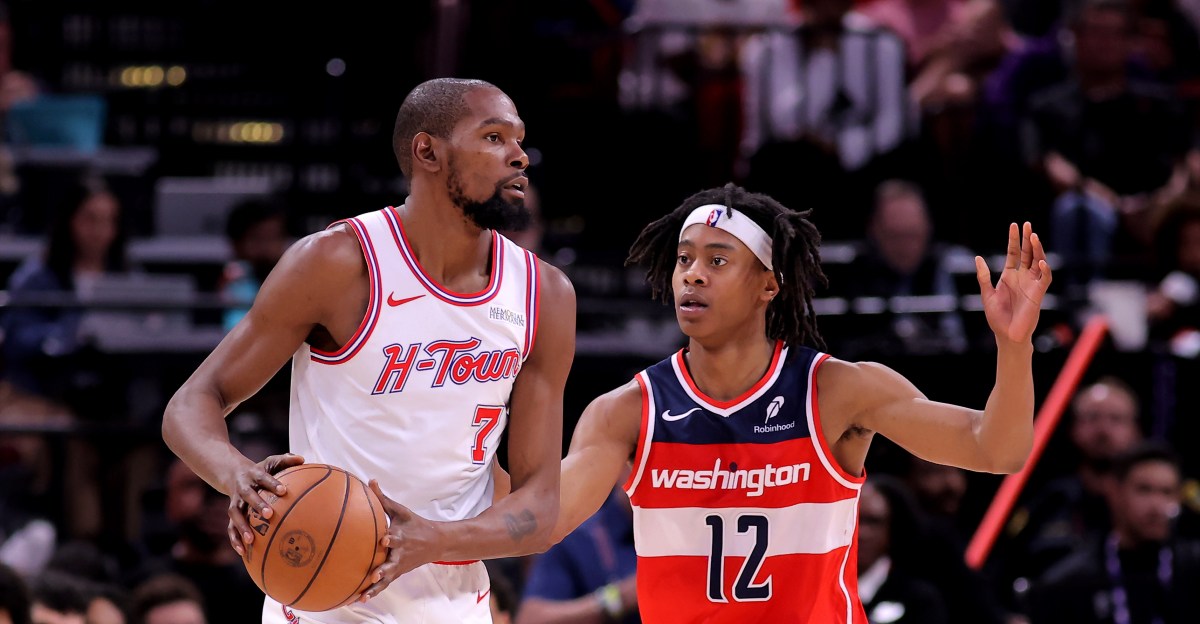
The upcoming matchup between the Houston Rockets and the Washington Wizards offers a compelling case study in divergent organizational strategies within the NBA. The Rockets, despite high pre-season expectations, are navigating a period of performance volatility and strategic bottlenecks. In contrast, the Wizards are executing a deliberate, time-sensitive asset acquisition strategy, commonly known as a “tankathon.” This divergence reveals a fundamental difference in how each franchise balances short-term competitive results against long-term equity value, influenced by distinct market positions and institutional pressures.
Rockets’ Strategic Bottleneck: High Floor, Low Ceiling Dilemma
The Houston Rockets’ current trajectory illustrates the risks associated with an accelerated rebuild that fails to transition into contention. While the team possesses sufficient talent to avoid true bottom-tier status—a high floor—it lacks the strategic depth required for elite competition, creating a low ceiling. This positioning creates a strategic bottleneck: the Rockets are neither competitive enough to contend for a championship nor poor enough to secure a high lottery pick. This outcome results in a high-risk, low-reward scenario where asset value creation stalls, and competitive upside is limited.
The core vulnerability of this strategic bottleneck is further exposed by key roster constraints and performance metrics. The absence of a primary organizer, notably Fred VanVleet, directly correlates with specific offensive deficiencies. The source material highlights the Rockets’ struggle with halfcourt offense, ranking 20th in February, which is a critical failure point in high-stakes playoff scenarios. This deficiency, combined with defensive issues exacerbated by the absence of Jabari Smith Jr., suggests a fundamental flaw in roster construction that cannot be compensated for by individual talent alone. Coach Udoka’s focus on tactical errors, such as getting “lost on the cross-matches,” underscores the pressure to address systemic issues that prevent the team from capitalizing on its individual player investments.
Wizards’ Strategic Calculus: Maximizing Asset Value through Tanking
In stark contrast to the Rockets’ strategic missteps, the Washington Wizards are engaged in a calculated strategy designed to maximize future asset value by prioritizing draft position over current competitive results. The organization’s approach is time-sensitive, driven by the anticipated changes to NBA tanking rules following this season. This strategic window provides a clear rationale for prioritizing draft capital under existing regulations.
The Wizards’ performance metrics, such as ranking 27th in defense and allowing the second-most putback plays per miss in February, are not merely indicators of poor performance but rather symptoms of a deliberate organizational choice. By fielding a roster that struggles defensively, the team increases its probability of securing a high draft pick. This strategy represents a form of capital allocation where current performance value is sacrificed to acquire long-term equity in the form of high-potential draft assets. The focus on developing young players like Will Riley and Watkins, as noted in coach Keefe’s comments, aligns directly with this long-term asset-building approach.
Market Leverage and Coaching Alignment
The contrasting coaching philosophies further illustrate the strategic divide between the two organizations. Rockets coach Udoka’s focus on execution and toughness reflects the pressure to win immediately and correct tactical errors that cost games. His comments center on performance optimization necessary for a team with high expectations and a veteran superstar like Durant.
Conversely, Wizards coach Keefe’s comments prioritize individual player development, indicating a focus on cultivating future assets. This approach aligns with the organization’s long-term strategy, where individual growth and potential are valued above immediate game outcomes.
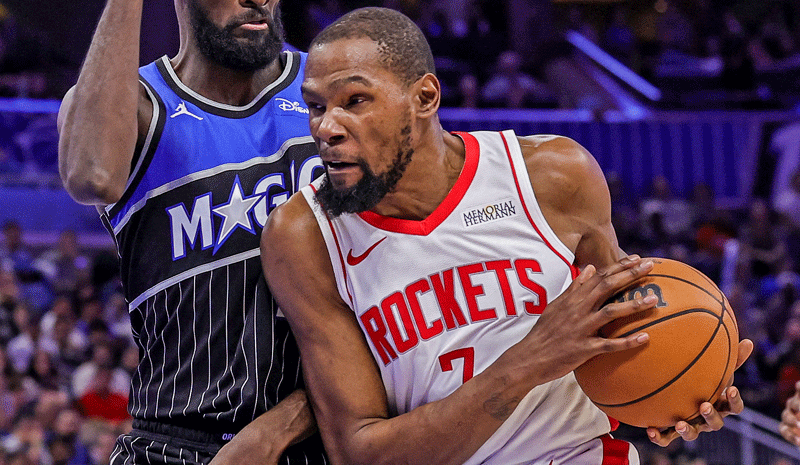
Despite the team’s struggles, the Rockets possess significant market leverage through individual player narratives. The source highlights Kevin Durant’s status as a “DMV native” returning home, providing a compelling media narrative that can drive fan engagement and ticket sales, even during a disappointing season. Durant’s consistent individual performance (averaging 28 points per game on the road) provides a valuable asset for maintaining brand relevance and mitigating the negative impact of team underperformance. This individual performance leverage is critical for managing stakeholder expectations and preserving brand equity during strategic transitions.