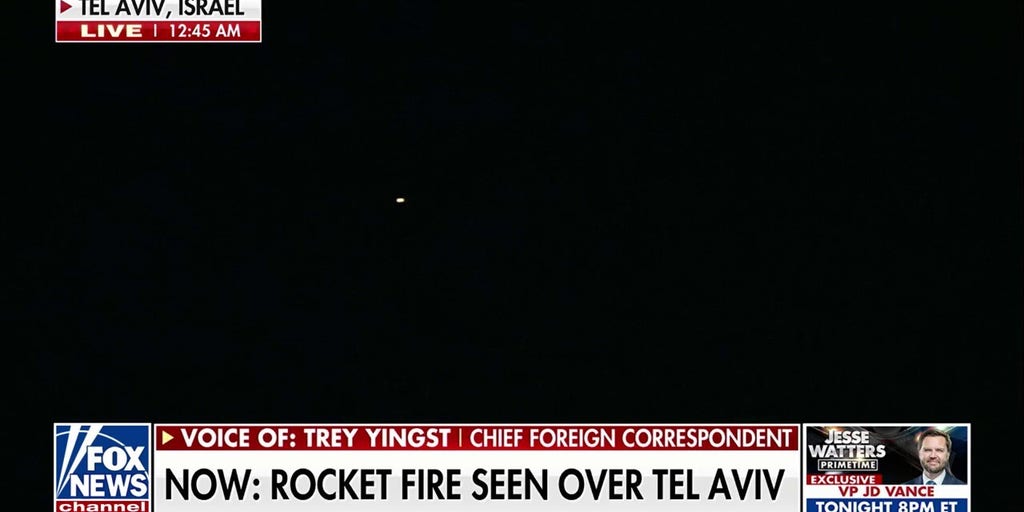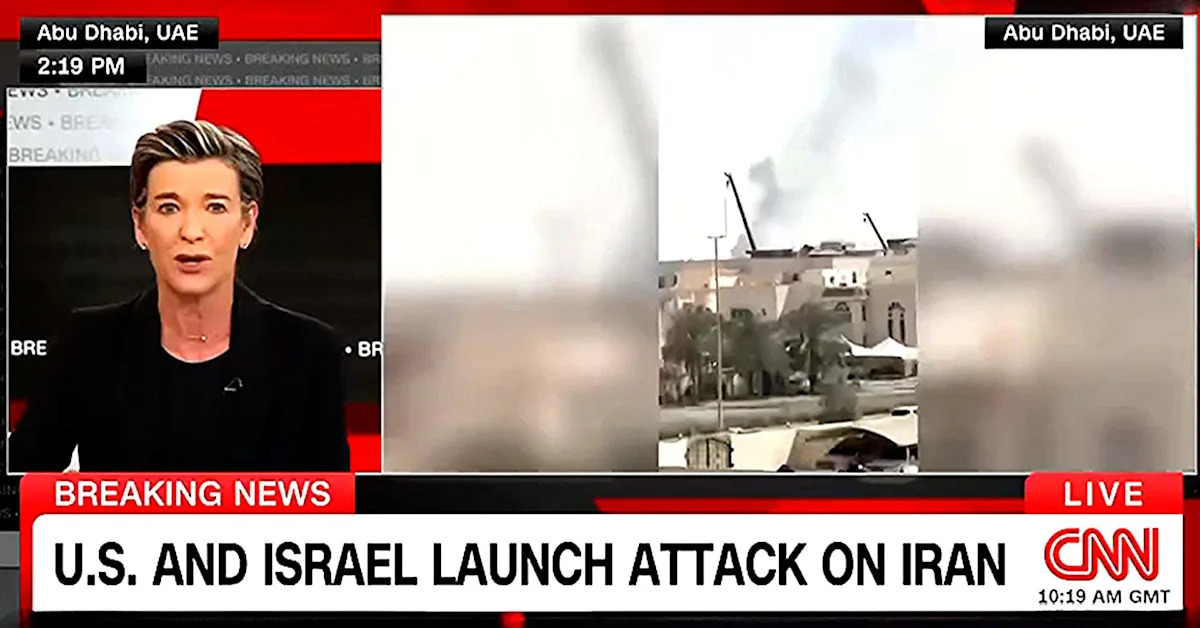
The convergence of real-time global broadcasting and high-intensity military operations has reached a critical threshold, as media hubs are increasingly integrated into the kinetic theater. Recent evacuations of major news studios in Abu Dhabi and Israel demonstrate that regional media nodes are no longer insulated from retaliatory cycles. This shift necessitates a transition from traditional risk management to an ‘operational hardening’ model, ensuring technical redundancy amidst active hostilities.
The Mar-a-lago Protocol and Strategic Volatility
The current escalatory wave was catalyzed by a 2:30 AM video announcement from Mar-a-lago, in which Donald Trump detailed ongoing U.S. operations against Iran. By bypassing established diplomatic channels and utilizing a direct-to-audience medium, this communication eliminated the ‘buffer time’ typically associated with de-escalation efforts. Framing military action as an active process rather than a fait accompli triggered an immediate defensive shift across the region, turning nations hosting U.S. assets into primary targets for retaliatory strikes.
This unconventional signaling increased the vulnerability of media entities. Without the lead time provided by traditional State Department coordination, regional bureaus were forced to react to kinetic events in real-time. The resulting volatility effectively transformed international media from observers of conflict into participants in emergency security protocols, as strike zones expanded to include logistical and communications hubs.
Comparative Resilience: CNN Abu Dhabi and Channel 12 Israel
The forced evacuation of CNN International’s Becky Anderson in Abu Dhabi highlights the geographic expansion of the conflict. Abu Dhabi, long considered a stable sanctuary for Western media, faced direct operational risk as missile alarms necessitated immediate shelter. The use of a static exterior shot during the outage underscored a critical vulnerability: the reliance on centralized hubs that lack the hardened, subterranean infrastructure found in more frequent conflict zones.
In contrast, the disruption of Israel’s Channel 12 in Neve Ilan during Operation Roaring Lion illustrated a high level of institutionalized resilience. Anchor Gidon Uko’s composure while transitioning from a primary studio to a protected bunker reflects a normalization of kinetic threats within the network’s DNA. Unlike the technical vacuum seen in Abu Dhabi, the Israeli broadcast model utilizes pre-planned, redundant facilities designed to maintain the flow of information—and public order—under fire.
Geopolitical Exposure and the Future of Conflict Journalism
The targeting of host nations housing U.S. military installations reveals the strategic cost of regional alliances. For the UAE and other partners, the disruption of high-profile media broadcasts carries significant reputational weight, signaling to global markets that their perceived safety is tethered to the volatility of the U.S.-Iran relationship. These evacuations serve as a high-visibility psychological victory for attacking forces, as the disruption itself is broadcast globally in real-time.
For global media organizations, this era marks the end of the ‘safe’ distance. The traditional hub-and-spoke model is becoming a liability, favoring agile, decentralized teams and subterranean, hardened facilities. As political rhetoric and military action become increasingly intertwined, newsrooms must now treat their own infrastructure as a potential component of the battlefield, where the safety of the reporter is as much a part of the story as the conflict itself.