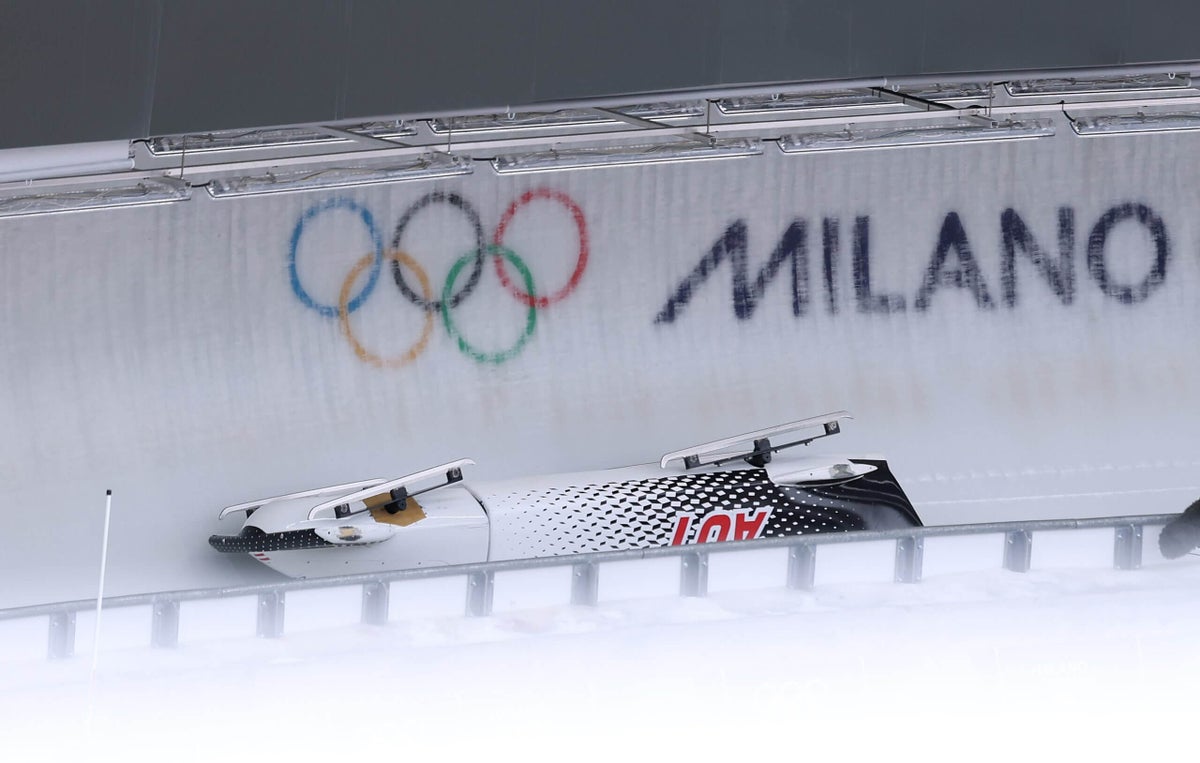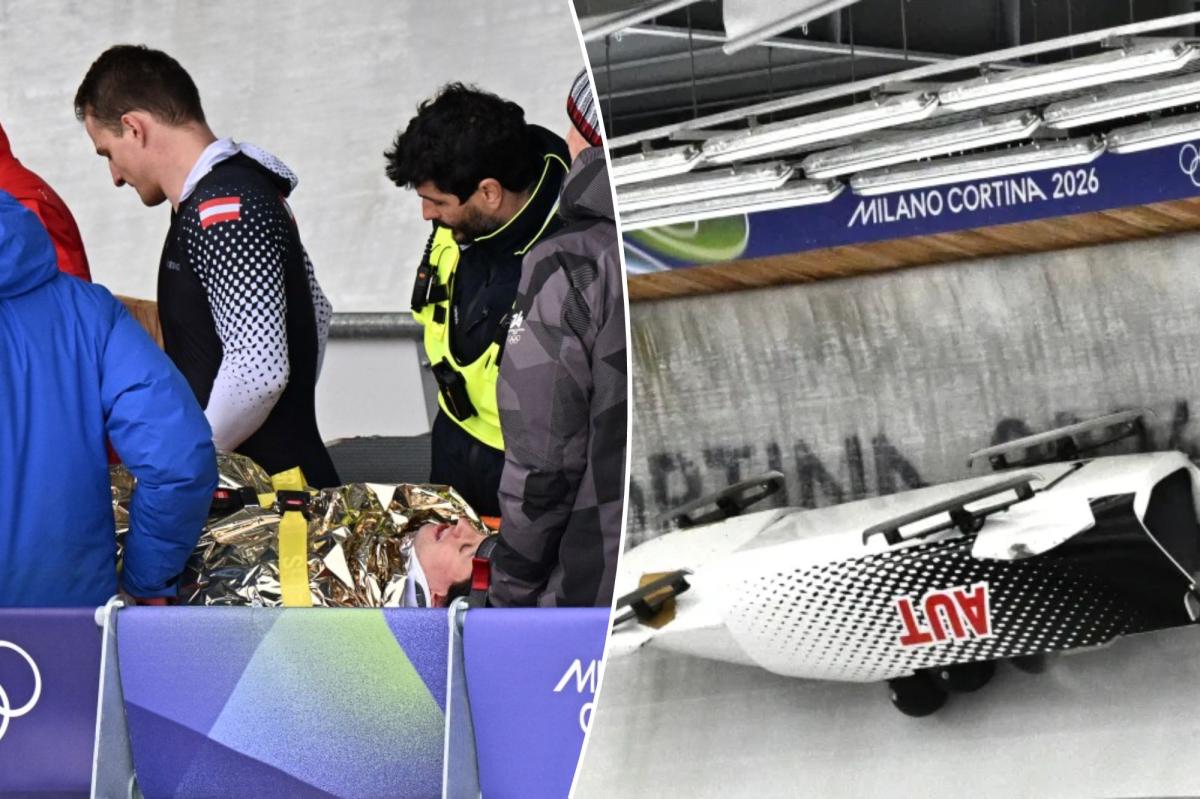
The second heats of the four-man bobsled event at the Cortina Sliding Centre have revealed critical technical vulnerabilities in the track’s configuration. A cluster of three high-velocity rollovers at the U-shaped Curve 7 indicates a systemic failure in kinetic energy dissipation rather than isolated pilot error. The incidents involving Austria, France, and Trinidad & Tobago necessitated an immediate reassessment of the competitive environment and athlete safety thresholds.
Kinetic Persistence and Geometry Failure at Curve 7
The concentration of accidents at Curve 7, situated at the course’s midpoint, suggests a lethal intersection of centrifugal force and entry-angle sensitivity. The geometry of this specific U-turn created recurring instability that exceeded the recovery margins for three distinct sled configurations. Notably, the sleds maintained significant kinetic persistence after tipping, sliding extensively toward the finish line—a phenomenon suggesting that the track’s deceleration zones are not optimized for mid-course rollovers.
This pattern implies that micro-climatic shifts between heats may have altered surface friction or icing profiles. For the French team, led by Romain Heinrich, and the representatives from Trinidad & Tobago, the inability to mitigate Curve 7’s centrifugal load resulted in immediate competitive disqualification. The repetitive nature of these failures points to a structural or maintenance-related variable that stakeholders must stabilize to protect the integrity of the remaining heats.
Neurological Protocols and Asset Management
The operational peak of the crisis occurred with the hospitalization of Austrian pilot Jakob Mandlbauer following a high-impact collision with the track wall. While his crew—Daniel Bertschler, Sebastian Mitterer, and Daiyehan Nichols-Bardi—evacuated the track unassisted, Mandlbauer’s condition required a 20-minute competitive suspension to facilitate advanced neurological stabilization. This delay underscores the rigorous adherence to spinal safety protocols in high-velocity impact scenarios.
Austrian press attaché Christoph Iglhauser confirmed that Mandlbauer remains under observation for potential cervical trauma. Although the pilot demonstrated motor function and consciousness, the institutional decision to prioritize clinical evaluation over competitive continuity reflects modern bobsledding’s focus on long-term athlete asset management. The incident has triggered an internal review of helmet and neck-protection systems to determine the efficacy of current safety gear against specific lateral impacts.
Operational Disruption and Broadcast Logistics
The 20-minute extraction delay introduced secondary variables for the remaining field, most notably the leading German squad. Such interruptions cause fluctuations in ice temperature and surface glide, forcing top-tier pilots like Johannes Lochner to adapt to shifting handling characteristics. Furthermore, these disruptions strain the Olympic organizing committee’s ability to balance broadcast windows with the imperative for track clearance and safety inspections.
The resumption of the event following the triple-crash sequence signifies an institutional finding that the ice remained viable, despite the clear trend of instability. However, the reputational risk to the Cortina facility persists. Post-Games technical audits will likely scrutinize the banking of Curve 7, potentially leading to modifications in icing protocols or track geometry to prevent future clusters of high-momentum accidents.
Strategic Communication and Competitive Impact
The communication strategy from Team Austria—emphasizing Mandlbauer’s alertness—served to stabilize the narrative and maintain sponsor confidence amidst a high-visibility accident. Simultaneously, the attrition at Curve 7 has recalibrated the competition’s psychological landscape. With a thinned field, surviving contenders may adopt conservative lines, sacrificing absolute speed for technical survival. For the French and Trinidadian federations, the financial and logistical burden of repairing high-value engineering assets after such rollovers poses a significant challenge to their long-term training cycles.