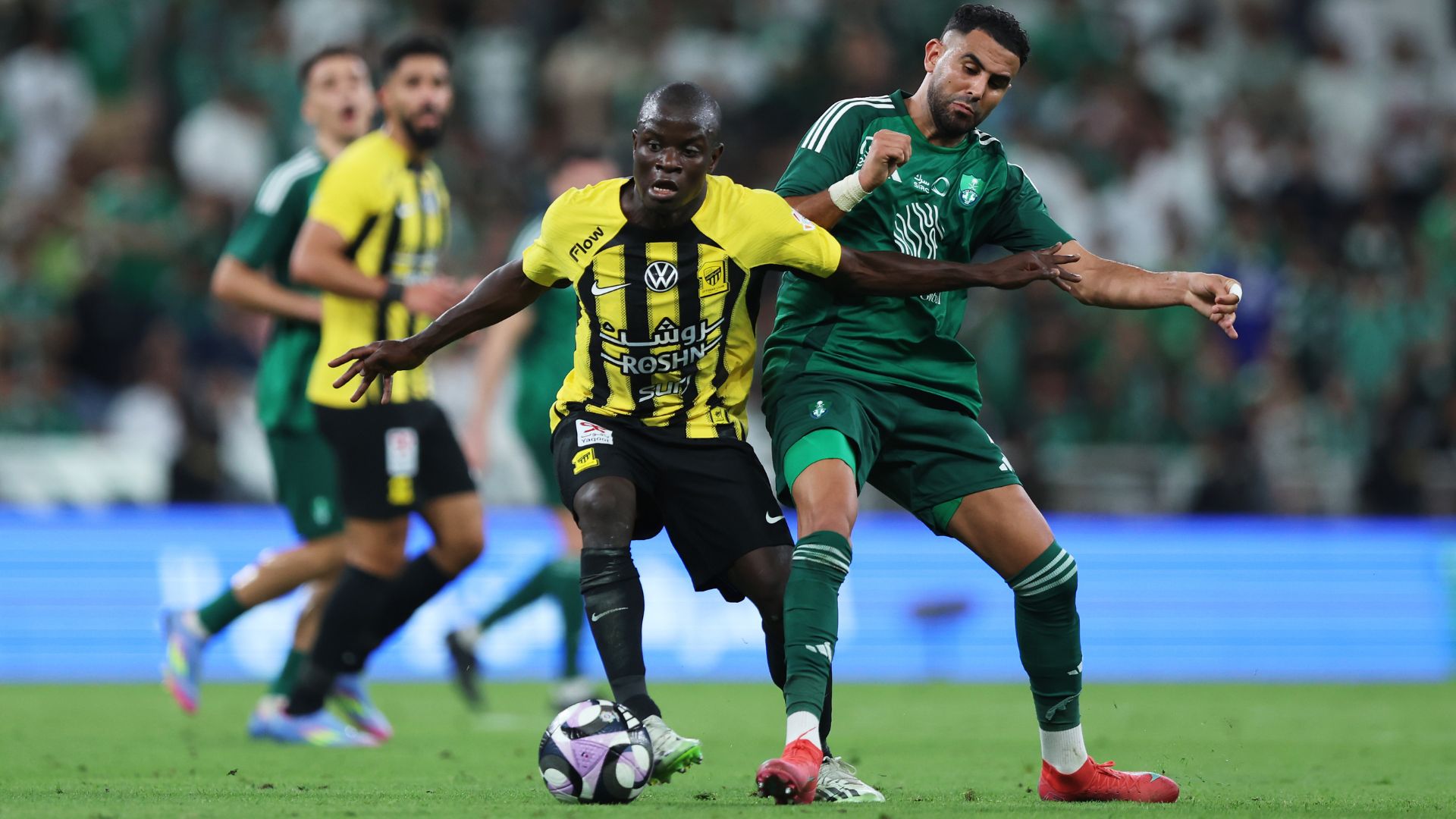
The impending fixture between Al-Hilal and Al-Ittihad at Kingdom Arena transcends a standard league meeting, signaling a divergence in institutional trajectories within the Saudi Pro League (SPL). Al-Hilal occupies an elite statistical tier, securing 53 points from 21 matches—an unbeaten streak comprising 16 victories and five draws that underscores a widening competitive chasm between the summit and the chasing pack.
This dominance is underpinned by a sophisticated tactical architecture. With a goal differential of +37 (55 scored, 18 conceded), the club demonstrates a high-pressing, transition-heavy philosophy that maximizes squad depth. Conversely, Al-Ittihad, currently sixth, faces a critical pivot point; securing a top-four finish is no longer merely a sporting goal but a financial necessity for continental qualification and brand preservation.
Institutional Stability and Tactical Leverage
Al-Hilal’s consistency functions as a psychological and mathematical catalyst for league-wide reform. Their recent 2-1 AFC Champions League triumph over Al-Wahda validates their ability to maintain high-intensity performance across fragmented schedules. By transforming Kingdom Arena into an unbeaten fortress (9 wins, 2 draws), the organization has successfully converted home-field advantage into a predictable revenue stream and a tool for psychological suppression.
This relentless pace forces rivals to recalibrate their sporting projects. As the margin for error evaporates, the SPL is shifting toward a model of constant pressure, where elite clubs must prioritize peak physical conditioning and disciplined positional play to remain relevant in the title conversation.
The Red Sea Derby: Scaling Historical Continuity
Looking toward the 2026 horizon, the Jeddah Derby at King Abdullah Sports City represents the SPL’s primary vehicle for historical branding. Dating back to 1951, the rivalry between Al-Ahli and Al-Ittihad offers a narrative of continuity that serves as a hedge against the league’s rapid modernization. This ‘Red Sea Derby’ is a unique commercial asset, providing the authenticity required to engage both traditional regional fanbases and emerging global audiences.
The strategic scheduling for March 5, 2026, reflects a sophisticated approach to broadcast optimization and hospitality management. By positioning high-value assets years in advance, stakeholders ensure a stable framework for international sponsors to maximize the economic impact of the event within the Middle East and North Africa (MENA) region.
Operational Professionalization and Risk Management
The transition to centralized digital ticketing and the alignment of matchweeks (Thursday–Saturday) with the Saudi weekend represent a significant leap in the professionalization of the match-day experience. These operational refinements allow the league to capture granular consumer data, which is essential for refining marketing funnels and enhancing security protocols at high-capacity venues like King Abdullah Sports City.
For Al-Ittihad, the current landscape presents a complex risk profile. Failure to bridge the point gap could lead to a devaluation of brand equity, impacting future capital allocations for player acquisitions. Meanwhile, Al-Hilal’s leadership position allows for strategic experimentation and long-term planning, a luxury that further entrenches the current hierarchy. Ultimately, the SPL’s evolution is defined by this duality: engineering a high-performance future while aggressively monetizing its 70-year competitive heritage.