
The transition into the Super Eight phase of the 2026 ICC Men’s T20 World Cup marks a strategic inflection point, as Pakistan and New Zealand convene at Colombo’s R Premadasa Stadium. This encounter transcends mere group progression; it represents a high-stakes collision of disparate preparation models and environmental adaptation protocols that will establish the competitive hierarchy of Group 1.
Meteorological Volatility and DLS Contingencies
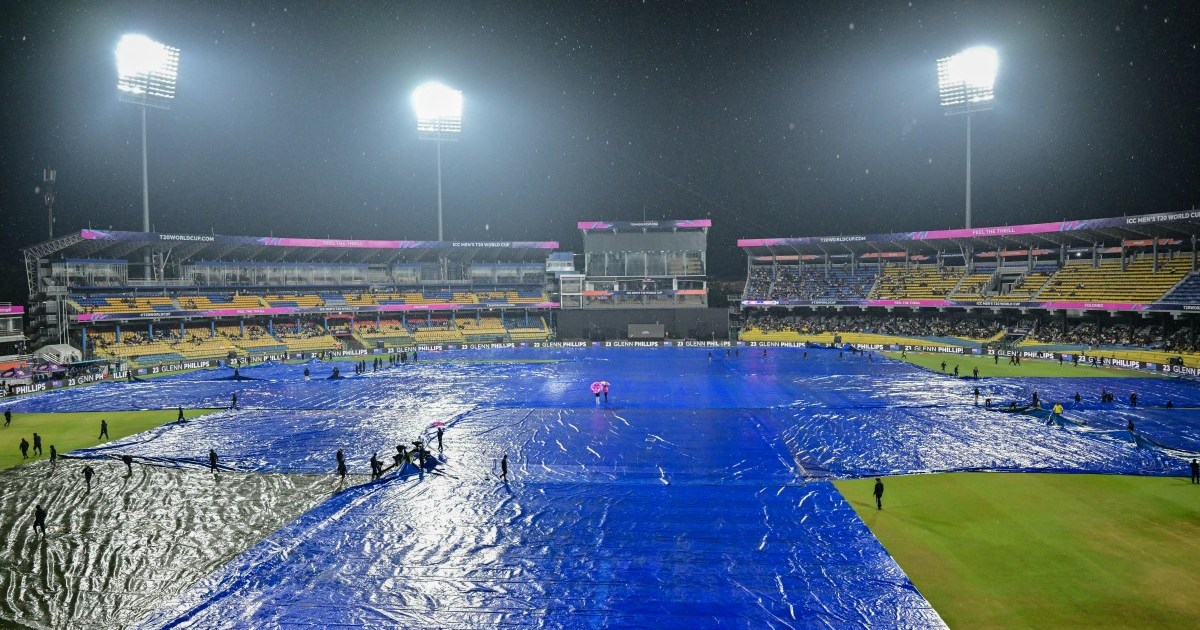
Forecasts for the February 21 fixture indicate high atmospheric instability, introducing significant operational risk. The 7:00 PM local start aligns with a window of high precipitation probability, necessitating a recalibration of toss strategies. For both camps, the tactical utility of chasing is magnified, as the Duckworth-Lewis-Stern (DLS) method often favors the side batting second in truncated windows. Beyond match outcomes, weather-induced points distribution could inflate the volatility of the Super Eight standings, impacting broadcaster inventory and commercial resonance.
The Pedological Edge: Colombo’s Spin-Dominant Surface
The R Premadasa is defined by slow, abrasive surfaces that offer substantial purchase for spin, a factor that shifts the power balance toward Pakistan. Having been stationed in Sri Lanka since the tournament’s commencement, Pakistan possesses an institutional familiarity with these soil characteristics, allowing for optimized bowling lengths without the trial-and-error phase required of visiting units. Conversely, New Zealand’s top order must navigate a steep learning curve, transitioning from the higher-velocity surfaces of previous rounds to a pitch that rewards placement over raw power.
Usman Tariq: An Asymmetric Tactical Asset
The emergence of Usman Tariq as a primary disruptive force provides Pakistan with a unique lever. Tariq’s unconventional mechanics impose a heavy cognitive load on batters, as the absence of traditional cues complicates the detection of trajectory and deviation. While modern data analytics typically normalize the effectiveness of ‘mystery’ bowlers, Tariq’s resilient economy rate suggests his action remains resistant to standard scouting protocols. The New Zealand middle order—specifically Glenn Phillips, Mark Chapman, and Daryl Mitchell—bears the responsibility of decoding these variations under extreme scoreboard pressure.
Institutional Stakes and High-Performance Benchmarks
The Super Eight format permits negligible margin for error. For Pakistan, a victory validates their spin-heavy roster construction and reinforces their dominance in subcontinental conditions. For New Zealand, success would demonstrate organizational agility, proving their capacity to neutralize elite opposition in alien environments on short notice. The result serves as a high-performance benchmark for both national boards, influencing squad restructuring and strategic planning for the remainder of the international cycle.
Technical Analysis of Surface Deterioration
Anticipated pitch wear at the Premadasa will likely manifest as uneven bounce and increased turn in the secondary innings. Pakistan’s reliance on a spin-heavy attack is a calculated response to this deterioration. New Zealand’s counter-strategy must prioritize horizontal-bat strokes and disciplined crease usage to mitigate deviation. Furthermore, the role of the wicketkeeper becomes paramount; the margin for error in stumping and catching opportunities is drastically reduced on surfaces offering unpredictable lateral movement.

Photo by yogendras31 on Pixabay.