The Disconnect Between Dominance and Performance Leverage
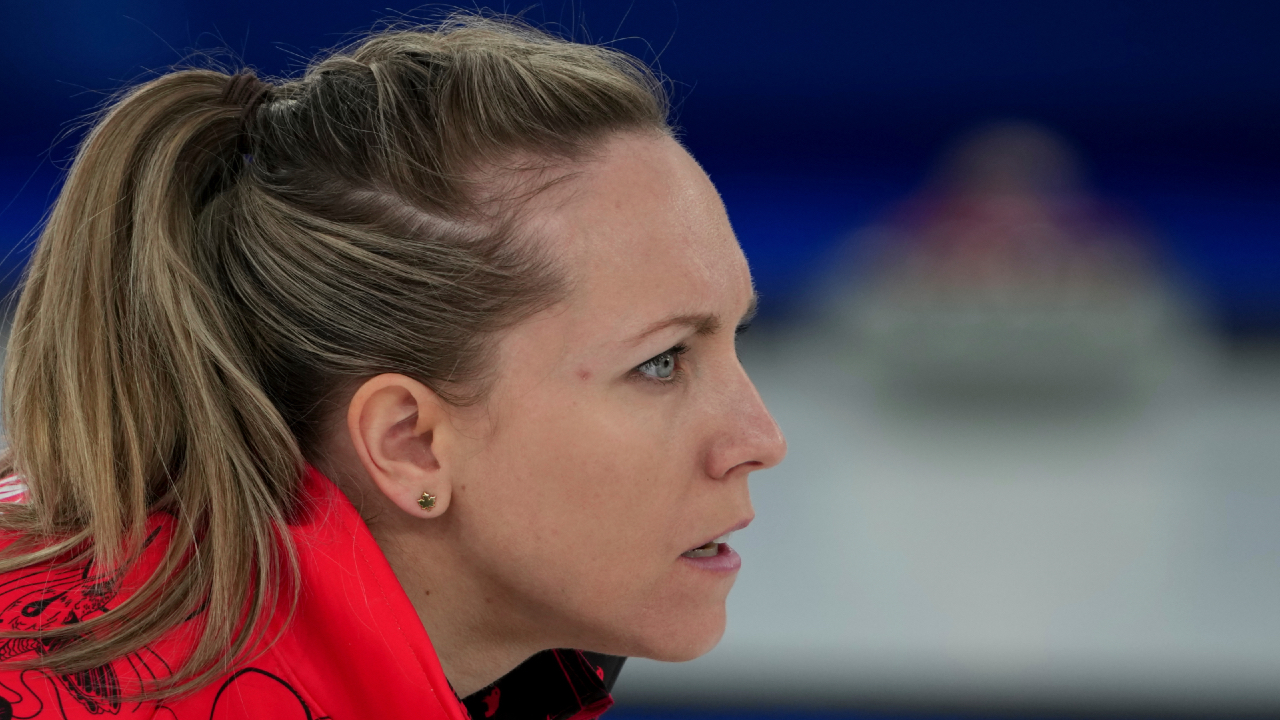
Team Homan’s pre-Olympic record of 191-27, including consecutive world championships and six Grand Slam titles, established a narrative of dominance and set high expectations for converting this success into Olympic gold. However, the semifinal loss to Sweden’s lower-ranked squad (No. 12) illustrates a critical disconnect between sustained performance metrics and high-stakes tournament execution. The Olympic format compresses years of strategic investment into single-elimination, high-leverage moments where historical performance offers limited protection against tactical execution errors. This outcome challenges the predictive value of long-term data when external variables, such as specific ice conditions and psychological pressure, introduce significant volatility.
Tactical Vulnerabilities and Environmental Adaptation
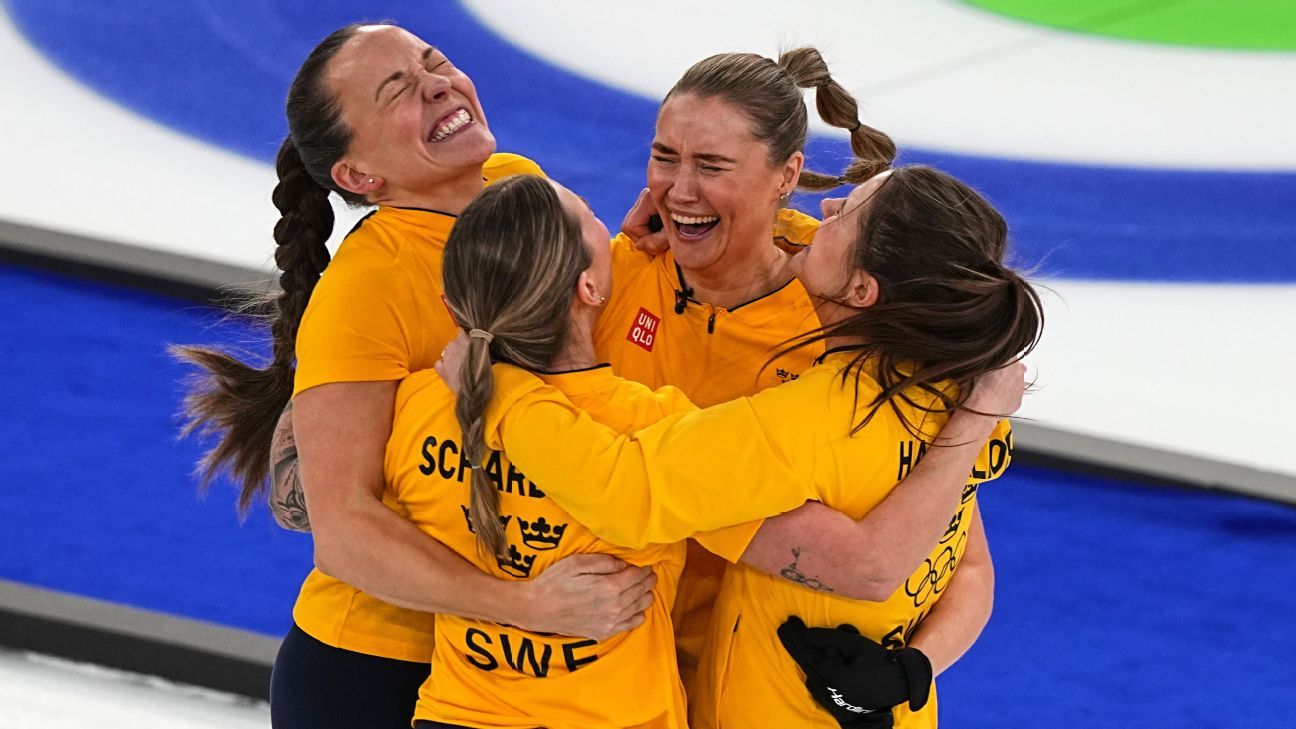
The upset by Sweden’s Team Hasselborg highlights the non-linear nature of competitive dynamics in major tournaments. While Canada had lost all three previous meetings to Sweden during the season, Sweden’s ability to execute a “phenomenal game” during the semifinal suggests a crucial tactical adjustment. The source’s reference to “straighter” ice conditions suggests a technical variable that may have favored Sweden’s strategic approach or exposed a weakness in Canada’s ability to adapt. Ice conditions are a critical variable in curling, altering the speed and curl of the stones and potentially neutralizing a team’s strategic advantages developed over the regular season. This points to a failure in strategic adaptation to specific environmental factors under pressure.
Stakeholder Exposure and Reputational Risk
The “gold or bust” narrative surrounding Team Homan created significant reputational exposure for the athletes and the national curling program. The pre-Games hype amplified the perceived failure when the team fell short of expectations, shifting the narrative from potential triumph to a significant letdown for a country where curling holds significant cultural weight. The institutional pressure was compounded by the context surrounding Canada’s “controversial men’s team,” suggesting a broader institutional environment where the women’s team carried the burden of national expectation. For Curling Canada, the failure to meet medal targets can affect future funding cycles and athlete support structures, as Olympic results often serve as key performance indicators for government and corporate sponsors.
Strategic Implications for Future Cycles
The outcome necessitates a review of strategic investments and athlete support structures for Canada’s women’s curling program. The failure to convert consistent performance into Olympic success suggests a need to re-evaluate training methodologies and mental resilience strategies in high-pressure environments. The broader context of the other semifinal, where the consistent United States team lost to Switzerland, demonstrates a broader trend: consistent performance in non-Olympic years does not guarantee success in the unique, high-pressure environment of the Games. National programs must prioritize mental resilience and tactical flexibility over simple statistical dominance to succeed in future Olympic competition.