Former South Korean President Yoon Suk Yeol Receives Life Sentence for Insurrection: A Landmark Verdict Affirming Constitutional Order
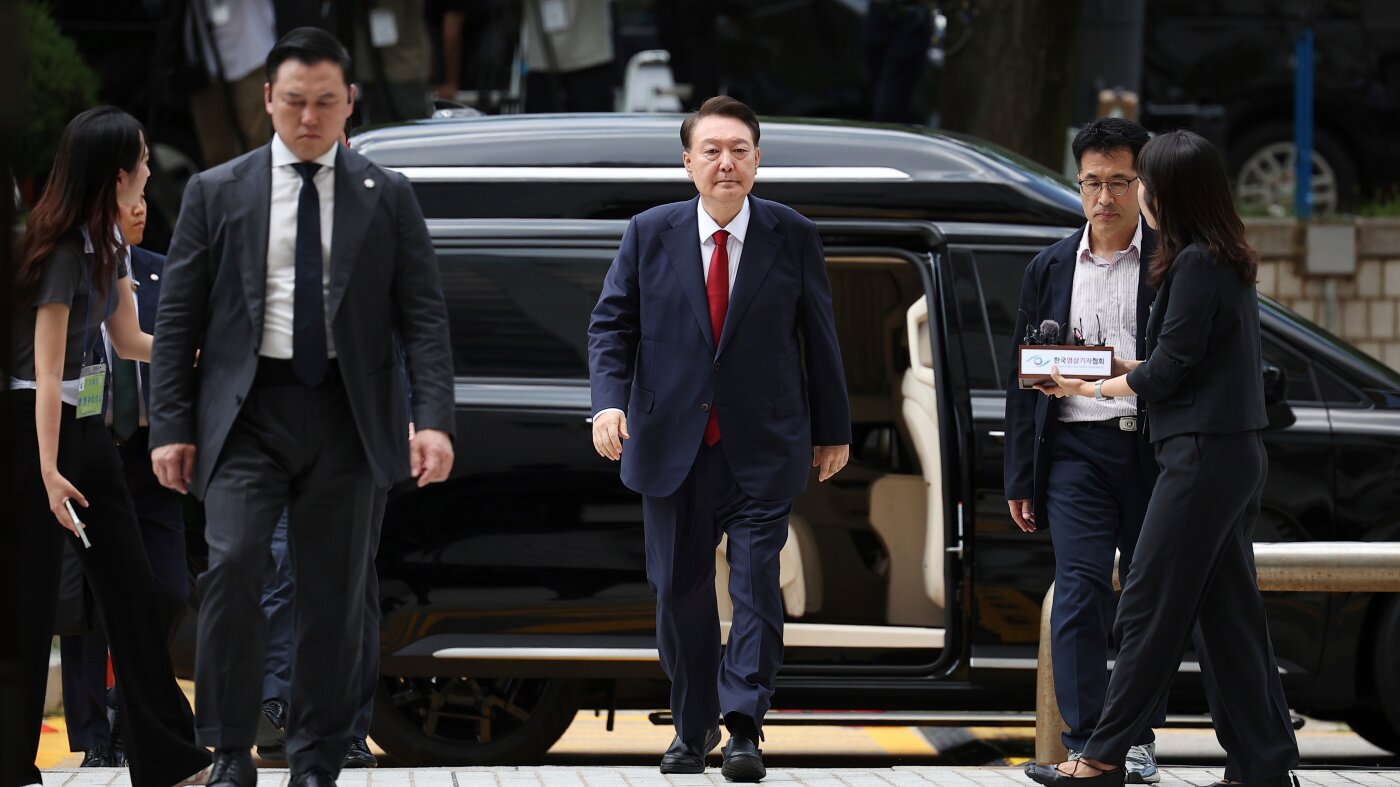
In an unprecedented and landmark decision, a South Korean court has sentenced former President Yoon Suk Yeol to life imprisonment with labour, finding him guilty of leading an insurrection following his failed December 2024 martial law declaration. This verdict marks a pivotal moment for the nation’s democratic institutions, establishing a profound precedent for executive accountability and affirming the supremacy of constitutional order.
Legal Gravity and Charges of Constitutional Subversion
Under South Korean law, the charge of leading an insurrection carries severe penalties, including the death penalty, which prosecutors vigorously sought. They argued Yoon’s actions constituted a “grave destruction of constitutional order” through the mobilization of state forces. While not imposing capital punishment—a de facto moratorium since 1997—the court’s decision for life imprisonment with labour unequivocally condemns attempts to subvert the democratic framework, underscoring the profound gravity of violating foundational constitutional principles.
Operationalization of Constitutional Subversion
The prosecution’s case meticulously detailed Yoon’s operational directives during the six-hour crisis. Key evidence included his mobilization of military troops to encircle the National Assembly, designed to neutralize legislative opposition and consolidate executive power beyond constitutional limits. The attempted arrests of political opponents further underscored a direct assault on parliamentary democracy and political pluralism. Judge Jee Kui-youn explicitly cited these maneuvers as proof of Yoon’s illegal intent to seize unchecked authority for a “considerable” duration.
Yoon’s Defense and Judicial Rejection
Throughout the trial, former President Yoon maintained his innocence, framing the investigation as a “political conspiracy” orchestrated by his adversaries. His defense characterized his martial law declaration as a necessary response to an “unconstitutional parliamentary dictatorship” by the then-opposition Democratic party. He cited alleged widespread election fraud and parliamentary obstruction (budget cuts, impeachment attempts) as justification. However, the court systematically rejected these arguments, focusing instead on the concrete, verifiable actions taken to undermine established constitutional processes, emphasizing that presidential power must operate strictly within legal parameters.
Judicial Independence and Democratic Resilience
This verdict stands as a powerful testament to the robust independence of South Korea’s judiciary, demonstrating its unwavering capacity to hold even the highest office accountable. It reinforces the critical principle that no individual, regardless of their past position, is above the law, especially when actions threaten the constitutional order. This institutional strength redefines the boundaries of executive authority, setting an unambiguous precedent that deters future attempts to circumvent democratic processes. It solidifies the apolitical nature of the military and police as instruments of the state, not personal tools for political gain, and underscores the resilience of South Korea’s constitutional framework in democratic consolidation.
Context of Capital Punishment and Operational Factors
Analysts noted the “poorly-planned power grab did not result in casualties,” a factor likely influencing the court’s decision against the death penalty. This aligns with South Korea’s de facto moratorium on capital punishment since 1997, balancing severe punishment for constitutional breaches with evolving human rights considerations. While the lack of casualties did not mitigate the intent to subvert, it likely contributed to the court’s decision for life imprisonment over capital punishment.
Societal Impact and Path Forward
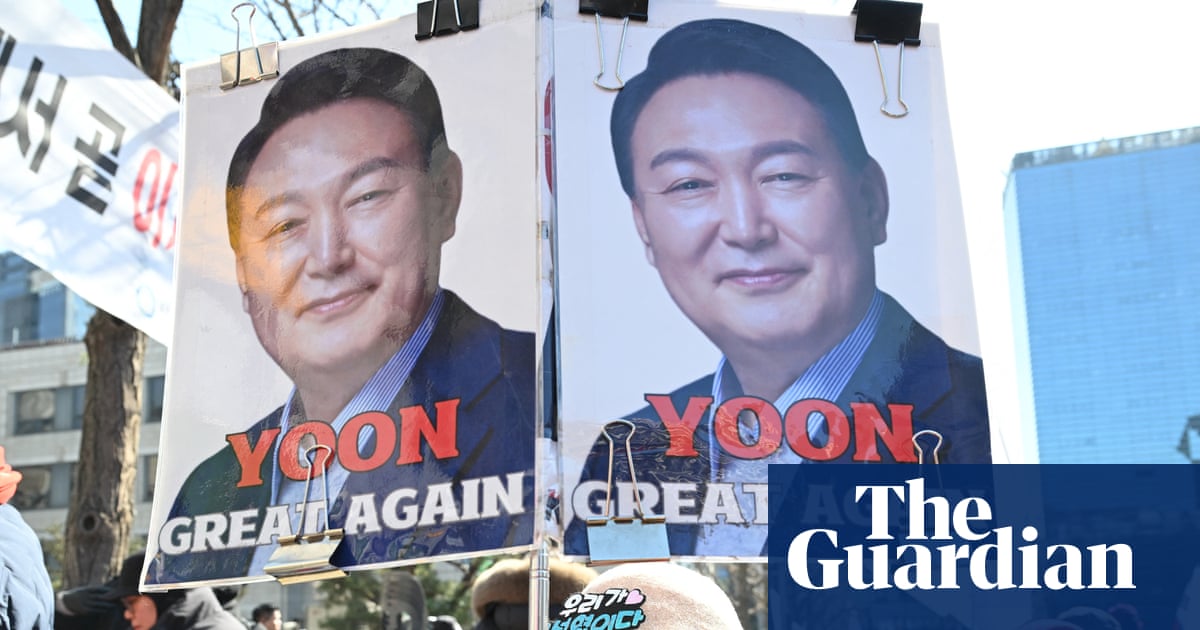
The trial and its verdict ignited intense public emotion and deep political polarization. Outside the judicial complex, Yoon’s supporters rallied fiercely, while his critics vocally demanded the death penalty, illustrating the profound societal fault lines exacerbated by the constitutional crisis. Former President Yoon is widely expected to appeal the verdict, initiating another phase in this complex legal saga. This right to appeal ensures due process and further legal scrutiny, reinforcing the transparency of the South Korean justice system. The historical weight of this judgment, designating Yoon as the first elected head of state in the democratic era to receive such a sentence, will continue to shape discussions on executive power, democratic vigilance, and accountability in South Korea for decades to come.