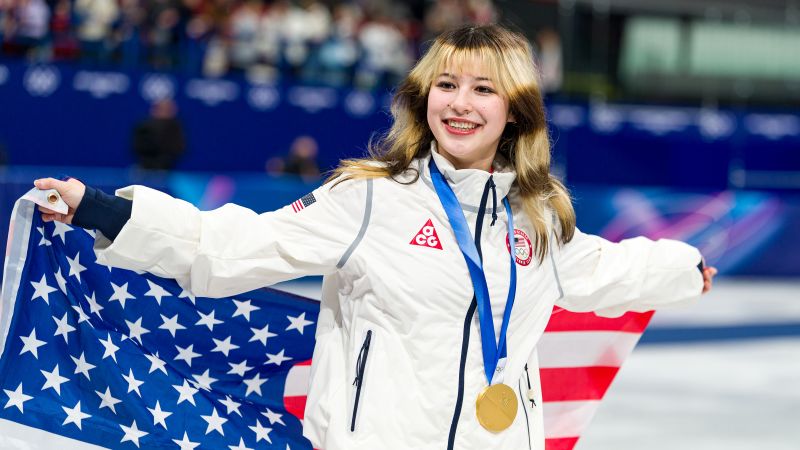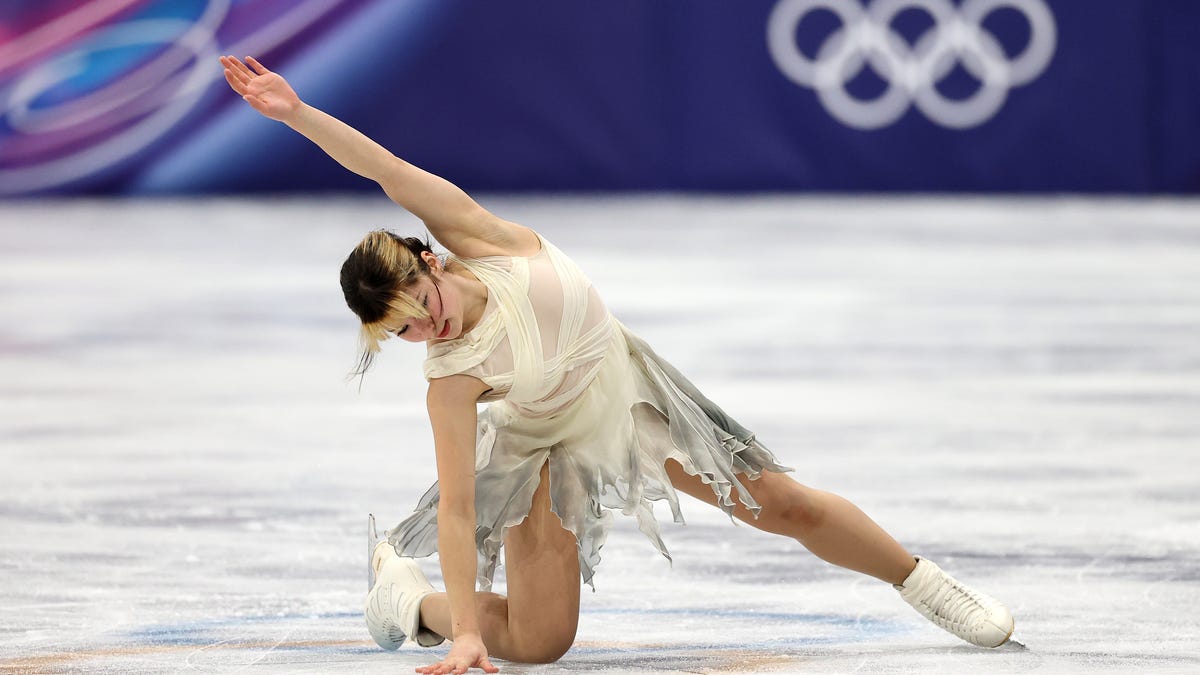
The reintegration of Alysa Liu into the international figure skating circuit ahead of the 2026 Milan Cortina Winter Olympics represents a fundamental disruption of the traditional operational models governing elite youth sports. Her return is not a conventional comeback but a strategic pivot that decouples high-performance achievement from institutional compliance.
Liu’s initial departure—following her tenure as the youngest U.S. champion and a technical pioneer in quadruple jumps—exposed a systemic vulnerability: the high-performance pipeline often optimizes for technical mastery at the expense of developmental stability. By exiting the sport at 16, Liu rejected a framework that viewed her career as a finite institutional asset rather than a dynamic personal journey.
Institutional Friction: Legacy vs. Agency
The resistance to Liu’s unretirement, notably from former coach Philip DeGuglielmo, highlights a significant bottleneck in sports management. The emphasis on protecting a “legacy” reflects an industry-wide philosophy that perceives the risks of a sub-optimal return as outweighing the benefits of an autonomous competitive phase. Liu’s insistence on returning on her own terms effectively rebrands the athlete as an independent operator rather than a compliant representative of a coaching establishment.
Philosophical Recalibration and the ‘Alt-Skater’ Identity
During her hiatus, which included academic enrollment at UCLA and travel through the Himalayas, Liu underwent a period of identity formation outside the rink. Her metaphor of the “cow vs. chicken” illustrates a rejection of the controlled, “caged” environment of elite training in favor of leisure and autonomy. This philosophical shift directly informs her new competitive persona.
Dubbed the “alt-skater” identity, Liu’s current aesthetic—marked by halo rings and piercings—challenges the sport’s traditional grace-and-elegance standards. This evolution carries significant market implications; by diverging from the “ice princess” archetype, Liu offers a narrative of authenticity that resonates with a younger, diverse demographic, potentially disrupting traditional sponsorship and media models.
Operational Consequences of Early Specialization
Liu’s trajectory serves as a case study in the consequences of early specialization and unaddressed burnout. Her return is a high-stakes experiment in whether an athlete can successfully reintegrate into a high-pressure environment after a period of total psychological disconnection. This shift from mandatory obligation to voluntary pursuit provides Liu with a unique form of performance leverage: the ability to navigate pressure with a degree of detachment missing in her early career.
Strategic Implications for Milan Cortina 2026
The 2026 Games will test the compatibility of Liu’s “alt” persona with institutional scoring systems that historically reward traditional interpretations of elegance. Stakeholders—judges, officials, and sponsors—must now reconcile Liu’s self-expression with established technical standards. This confrontation could trigger a broader transformation in how figure skating defines marketability and excellence in the modern era.