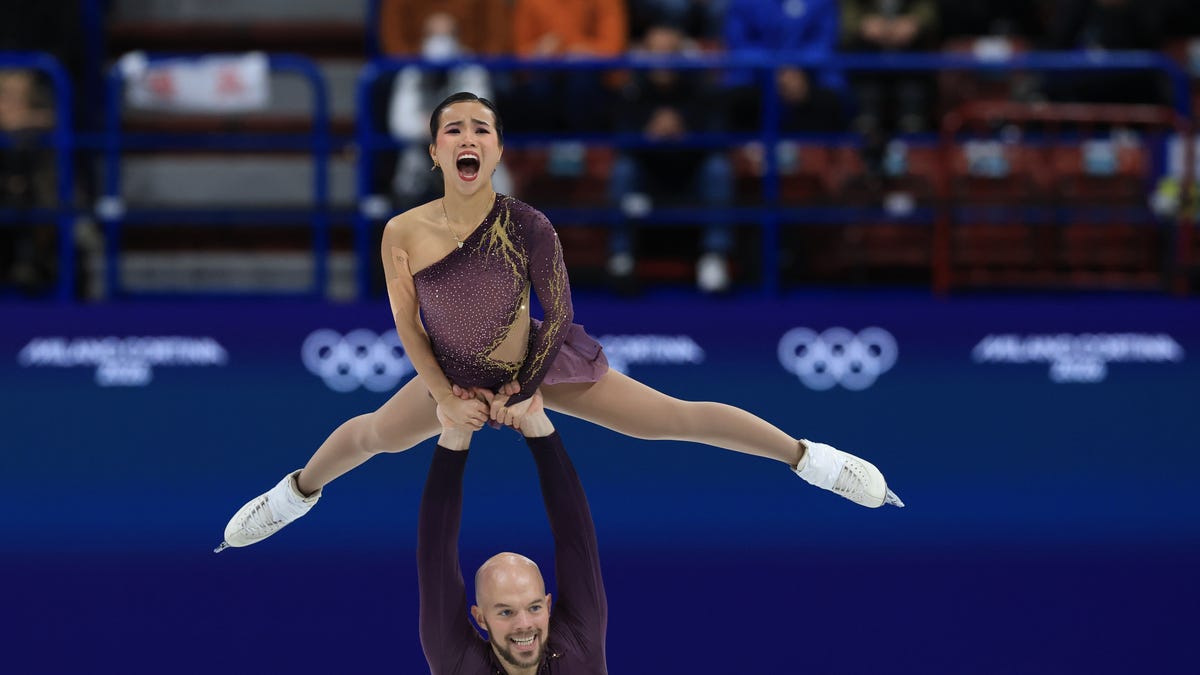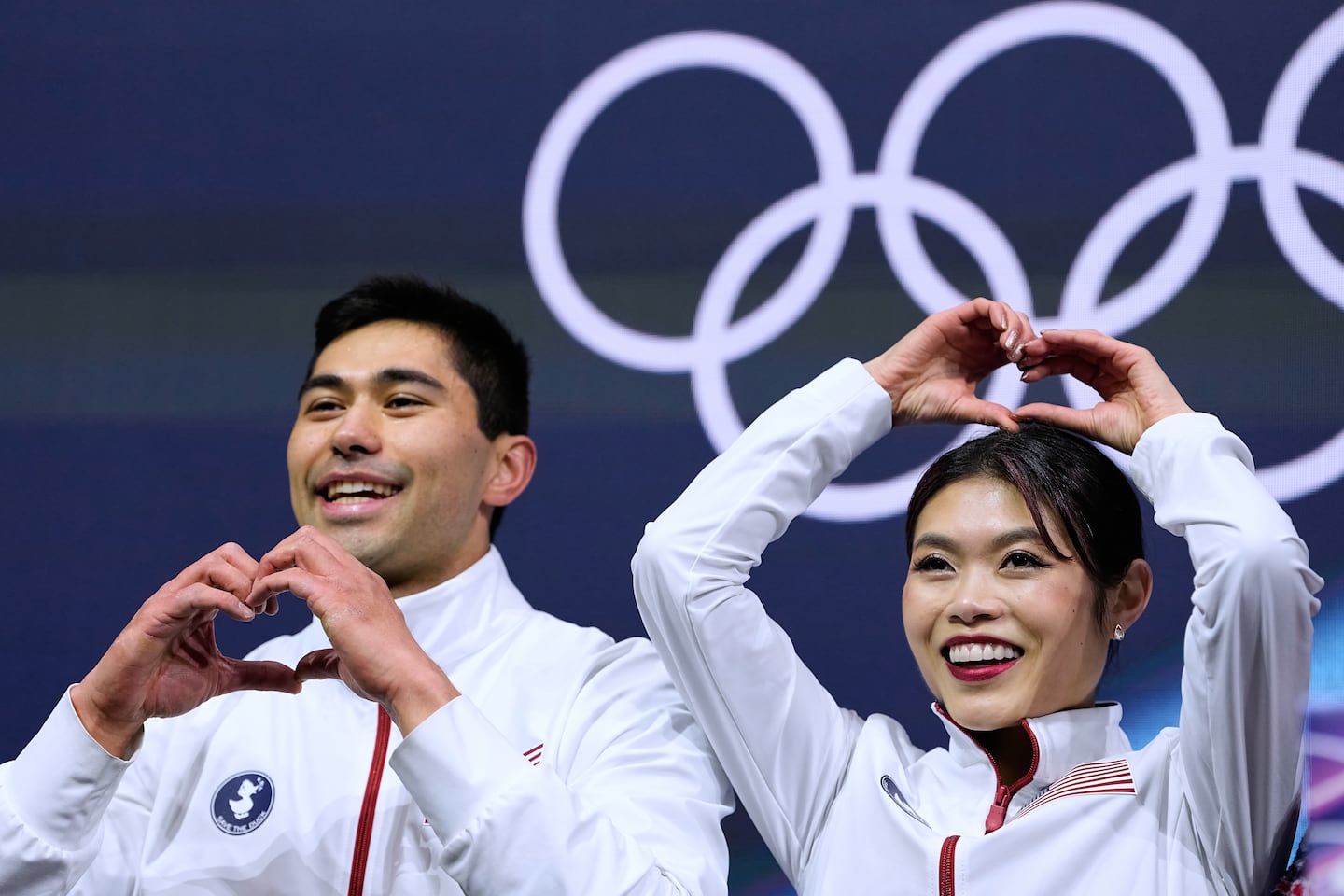
The qualification of Emily Chan and Spencer Akira Howe for the 2026 Winter Olympic team, secured only after the top two ranked pairs at the US Championships faced citizenship disqualifications, highlights a severe operational vulnerability within the US figure skating selection apparatus.
This procedural reliance on subsequent eligibility, rather than strictly ranking performance at the definitive selection event, introduces unacceptable strategic risk for the federation, especially concerning the management of international athlete pipelines and complex naturalization timelines.
Structural Bottlenecks and Competitive Dilution
Chan and Howe’s mandated Olympic berth followed their ninth-place finish in the Milan Short Program, a result achieved despite a performance at the national championships marred by errors. This trajectory suggests their selection is less a function of sustained top-tier readiness and more a direct product of systemic attrition ahead of them in the domestic rankings.
The immediate competitive consequence is the elevation of a team whose path was entirely contingent on the ineligibility of the national champion pair (Alisa Efimova/Misha Mitrofanov) and the third-place finishers (Katie McBeath/Daniil Parkman) due to unresolved citizenship status. This dynamic shifts the selection process focus from pure competitive meritocracy to administrative compliance, forcing the federation to utilize fourth-place finishers to fill mandated international slots, thereby diluting the competitive ceiling entering global competition.
Performance Ceiling vs. Administrative Stability
The inclusion of Chan/Howe, alongside seventh-place finishers Ellie Kam and Danny O’Shea, signals a fragile upward trend for US pairs skating—a discipline historically marginalized, often limited to two Olympic slots versus the standard three. Given that no American pair has medaled since 1988, their presence represents stabilization rather than a breakthrough, contingent on teams that were not the initial competitive frontrunners.
Kam and O’Shea, who achieved a season’s best in the Team Event following their gold medal contribution, internally cited technical deficiencies, specifically achieving only Level 3s on elements demanding higher execution. This internal critique from the higher-ranked pair indicates that the current leading teams are operating substantially below their competitive ceiling, exposing a measurable gap between perceived program strength and the execution required for podium contention.
Operational Strain on Talent Pipeline Investment
The necessity of relying on athletes whose eligibility is precarious points to a systemic failure in long-term talent identification and integration planning, particularly concerning athletes who train within the US system but lack finalized nationality documentation before critical selection windows.
This administrative friction compromises coaching resource allocation. Investments made in developing specific pairings become subject to external, non-sporting contingencies, directly impacting multi-year strategic funding models for coaching and facility development. Chan’s expressed relief at simply having “made it” underscores the immense psychological and administrative burden carried by athletes operating in this qualification grey area.
Governance Risk and Stakeholder Volatility
This recurring scenario exposes US Figure Skating to significant reputational risk, as the composition of the Olympic team appears determined by administrative hurdles rather than decisive competitive results on the national stage. Sponsors and the US Olympic Committee require predictable athlete pathways; citizenship ambiguity introduces market volatility that complicates long-term financial commitments.
While two American pairs finishing in the top ten in Milan suggests a positive competitive environment is emerging, the qualification mechanism itself acts as a systemic bottleneck. If the federation cannot guarantee that its top-ranked eligible athletes are confirmed well in advance, the strategic goal of achieving consistent medal contention becomes functionally unattainable.
Strategic Reassessment for Future Cycles
The current instability mandates a governance reassessment regarding the management of dual-citizenship athletes or those finalizing naturalization before selection events. Policy must balance integrating high-potential international talent with ensuring a stable domestic field guarantees quota slots are filled by unequivocally eligible athletes.
If the pattern of top finishers being disqualified continues, the competitive leverage of the US Championships as the definitive selection mechanism erodes, likely fostering increased internal lobbying for alternative, year-round performance metrics. Chan and Howe’s experience is a high-visibility case study demonstrating the operational fragility inherent in a system relying on a narrow band of eligible athletes to secure maximum international representation.
Contextualizing ‘Improvement’
The narrative that US pairs skating is “only getting better” must be strictly qualified by the context of their entry and qualification method. While two teams in the top ten exceeds historical norms of minimal representation, the strategic threshold for a major skating power remains medal contention, a benchmark unmet. The performance discrepancy between Kam/O’Shea’s Team Event gold and their suboptimal individual technical levels suggests current resource allocation may prioritize team success over maximizing individual medal potential.
The systemic instability surrounding qualification undermines any narrative of unqualified improvement. The operational reality—where relief stems from administrative confirmation rather than definitive competitive placement—is the clearest indicator of the structural limitations impeding the US pairs discipline’s global reassertion.