Strategic Implications of the Milan Cortina Games: Athlete Narratives and Competitive Shifts
As the 2026 Winter Olympics in Milan Cortina entered its second week, the focus shifted from initial medal counts to the strategic implications of key performances and underlying competitive dynamics. The Games are increasingly defined by narratives of resilience, institutional dominance, and geopolitical shifts in winter sports, which collectively determine stakeholder value for broadcasters, sponsors, and national Olympic committees, influencing future investment far beyond the current competition cycle.
The Shiffrin Narrative: Performance Leverage and Stakeholder Value
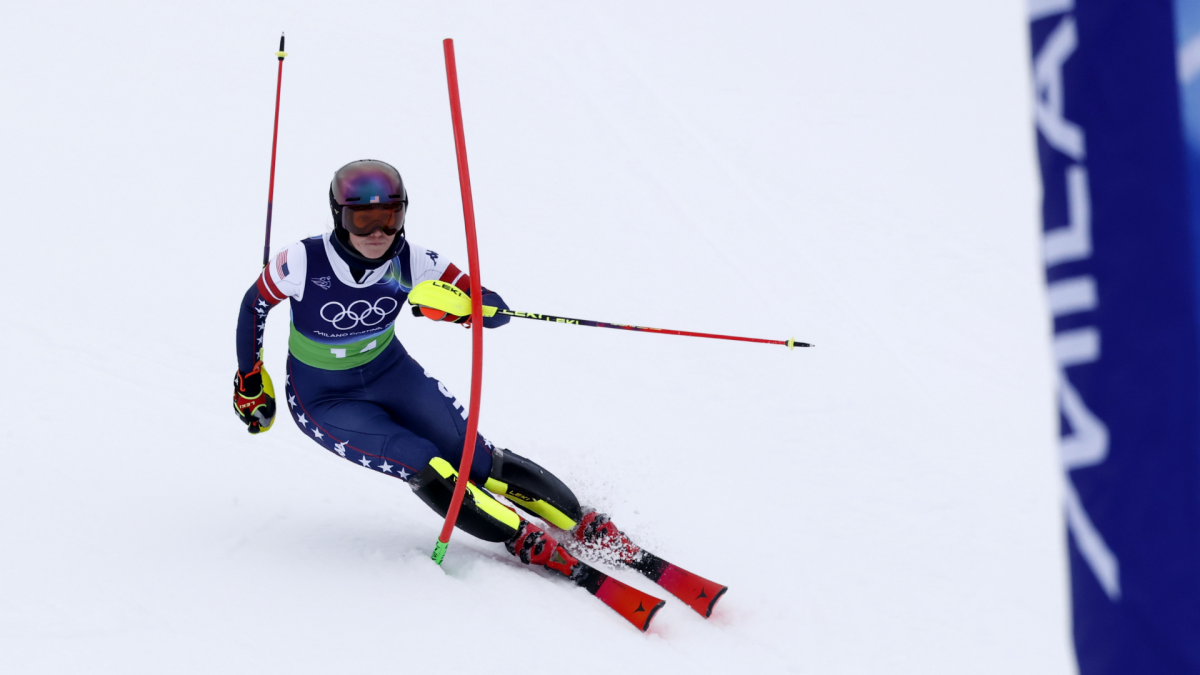
Mikaela Shiffrin’s participation in the giant slalom event represents a high-stakes strategic decision, positioning her comeback narrative as a central focus of the Milan Cortina Games. As the most decorated alpine skier in history, her presence alone carries significant weight for broadcasters like NBC and its streaming service Peacock, providing a crucial anchor for audience engagement during the second week of competition. Her pursuit of a medal in this specific event, where she experienced a severe injury in 2024 and subsequently struggled with PTSD, transforms her performance from a simple athletic event into a high-leverage media asset.
This narrative arc, emphasizing recovery and resilience from both physical injury and mental trauma, resonates deeply with contemporary discussions surrounding athlete well-being. It enhances Shiffrin’s brand value beyond traditional athletic achievements, offering sponsors a strategic advantage through messaging on determination rather than solely focusing on winning. For all stakeholders, Shiffrin’s return ensures her story remains central to the Games’ narrative, maximizing exposure for her personal brand and associated partners.
Competitive Dynamics: Institutional Validation and Program Viability
The high-stakes nature of title defense was evident in Erin Jackson’s attempt to retain her gold medal in the women’s 500m speedskating final. Jackson, who emerged as a breakout star in 2022, represents a critical investment for Team USA’s speedskating program. Her performance at Milan Cortina serves as a validation of institutional support and resource allocation in a discipline where competitive margins are exceptionally thin.
For national Olympic committees, a successful title defense by a recent breakout star solidifies the long-term viability of specific athletic development programs. It demonstrates a consistent return on investment, which is crucial for securing future funding and attracting talent. The pressure on Jackson to perform is not only personal but also institutional, as her success reinforces the strategic decisions made by Team USA leadership. Conversely, results from other events, such as Jordan Stolz securing a second gold in the 500m speed skating, further underscore the strategic importance of sustained excellence and validate a successful talent pipeline against rival nations.
Geopolitical Shifts and Emerging Market Leverage
The victory of Lucas Pinheiro Braathen in the men’s giant slalom for Brazil represents a significant geopolitical shift in the winter sports landscape. Braathen’s gold medal, a historic achievement for both Brazil and South America, challenges the traditional dominance of European and North American nations in alpine skiing. This outcome carries profound implications for the global expansion strategy of winter sports and the International Olympic Committee (IOC).
A win by an athlete from a non-traditional winter sports market provides a powerful narrative for the IOC to promote global participation and diversity. This success can trigger increased investment in winter sports infrastructure and athlete development programs in emerging markets, potentially altering the competitive balance in future Olympic cycles. For sponsors, Braathen’s victory opens new avenues for market penetration and brand association in regions previously considered peripheral to winter sports.
Systemic Dominance and Competitive Barriers
The consistent performance of nations like Norway, which secured its 10th gold medal and won the women’s 4×7.5km cross-country skiing relay, highlights the structural advantages of established winter sports powerhouses. Norway’s dominance in specific disciplines points to a systemic model of talent development, funding, and coaching that creates significant competitive barriers for other nations.
This sustained excellence forces rival national teams to re-evaluate their strategic approach. Competing against a nation with such deep institutional support requires a long-term strategy focused on targeted investment, technological innovation, and specialized training methodologies. The results from Milan Cortina reinforce the existing hierarchy, demonstrating that challenging established dominance requires more than individual talent; it demands a comprehensive institutional overhaul and long-term strategic adjustments in resource allocation of resources.
Operational Risks and Governance Challenges
Beyond the athletic competition, the Milan Cortina Games have faced operational and governance challenges that impact the host nation’s reputation and logistical management. Reports of “more suspected sabotage attacks on Italian railway” highlight significant operational risks for the host city and potential threats to the safety and logistics of the event. Such incidents increase security costs and logistical complexity for organizers, serving as a critical case study in risk management for future host cities.
Furthermore, governance issues, such as Switzerland’s accusation of a “double touch” against Canada, highlight the high-stakes nature of officiating and fair play in elite competition. These disputes, while often resolved through established procedures, can impact team morale and diplomatic relations between nations. They underscore the importance of clear rules and transparent adjudication processes to maintain the integrity of the competition and ensure stakeholder confidence.
Synthesis: The Interplay of Performance, Media, and Geopolitics
The events of the second Sunday at the Milan Cortina Games illustrate the complex interplay between individual athletic performance, media narratives, and broader geopolitical shifts. The high-value narratives surrounding athletes like Mikaela Shiffrin, combined with the emergence of new competitive forces like Lucas Pinheiro Braathen, define the strategic landscape of the Games for broadcasters and sponsors. For national Olympic committees, the results validate strategic investments and highlight areas where competitive adjustments are necessary. The operational challenges faced by the host nation further underscore the complex logistical and security considerations inherent in hosting a major international event. The outcomes of these events will continue to shape the future direction of winter sports development, influencing investment decisions and competitive strategies for years to come.