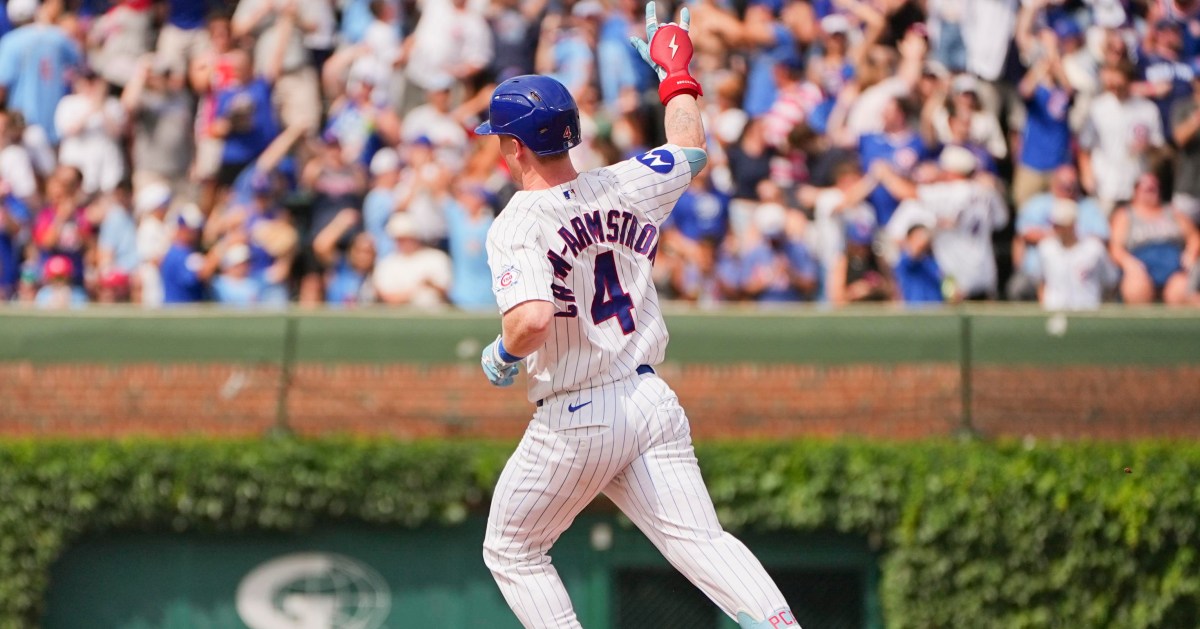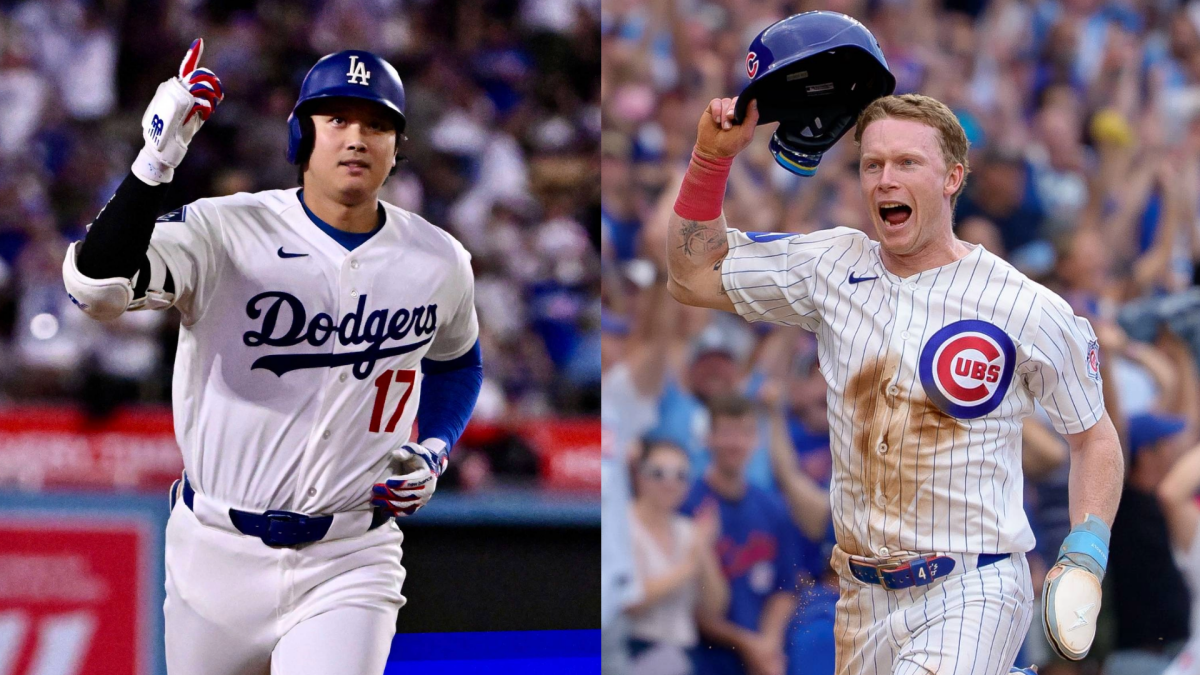
The Convergence of Performance and Organizational Leverage
The 2026 National League MVP race has transitioned from a statistical comparison into a complex evaluation of franchise utility. As the season enters its final six-week stretch, the race centers on two distinct profiles: Shohei Ohtani’s established global dominance and Pete Crow-Armstrong’s (PCA) emergence as a high-leverage defensive and offensive anchor. With the Los Angeles Dodgers (73-48) and the Chicago Cubs (71-50) vying for the league’s top record, the MVP narrative is now inextricably linked to postseason positioning.
The Ohtani Variable: Pitching Progression as Value Multiplier
The most significant technical shift in the MVP race is Ohtani’s potential return to the mound. Currently engaged in a structured throwing program, Ohtani is progressing through incremental catch-play phases aimed at increasing distance and arm strength. This operational caution by the Dodgers reflects a strategy of prioritizing October durability over August volume.
If Ohtani transitions to competitive innings, his value proposition evolves from an elite designated hitter to a dual-threat asset capable of stabilizing a rotation. This return to a two-way role introduces a performance ceiling that specialized position players struggle to match, provided the Dodgers’ medical staff clears him for high-intensity leverage situations.
Institutional Volatility: PCA’s Role in the Cubs’ Rotation Crisis
Conversely, Pete Crow-Armstrong’s candidacy is built on his role as a stabilizing force amid the Chicago Cubs’ “lights on, lights off” performance cycles. A recent stretch—where the Cubs dropped three of four games by a cumulative 26-11 margin—exposed a systemic vulnerability in their starting rotation. With five out of six starters failing to maintain competitive equilibrium, PCA has been forced into a “superhero” role to sustain team momentum.
The loss of Dansby Swanson to injury has further amplified PCA’s defensive and leadership requirements. His value is quantified not only through game-tying doubles and elite range in center field but through his ability to offset the team’s rotational instability. In this context, PCA represents a high-utility model of value, where individual brilliance serves as the primary hedge against team-wide regression.
Strategic Restraint vs. Desperation
The race is further complicated by the differing operational modes of the two franchises. The Dodgers have displayed strategic restraint, occasionally sacrificing regular-season series—such as a recent loss to the Brewers—to preserve physical capital for the playoffs. This “calculated underperformance” may limit Ohtani’s raw statistical totals but maximizes his championship utility.
In contrast, the Cubs are operating at maximum intensity to bridge the gap in the standings. The return of Edward Cabrera from the injured list highlights the difficulty of mid-season reintegration, as his initial “weird” rhythm underscores the risks of relying on returning assets during a pennant race. The MVP electorate must ultimately decide between Ohtani’s unprecedented multi-role ceiling and PCA’s indispensable role in a high-variance environment.