The 2026 Men’s Final Four—comprising Arizona, Illinois, Michigan, and Connecticut—represents a critical juncture, showcasing variance in elite program construction far beyond preseason Top 4 expectations. Only Connecticut began the season ranked in the AP Top Four, demanding near-perfect strategic execution from Arizona (13th), Illinois (17th), and Michigan (7th) to reach Indianapolis.
Strategic Archetypes: Delineating Roster Philosophies
The four contenders embody distinct operational mandates that defined their bracket navigation:
- Arizona: Balanced Capital Deployment. Achieved Elite Eight status via top-10 efficiency metrics in both offense and defense. Their success hinges on lower dependency risk, evidenced by eight contributors scoring in their pivotal Elite Eight victory, signifying a distributed offensive load.
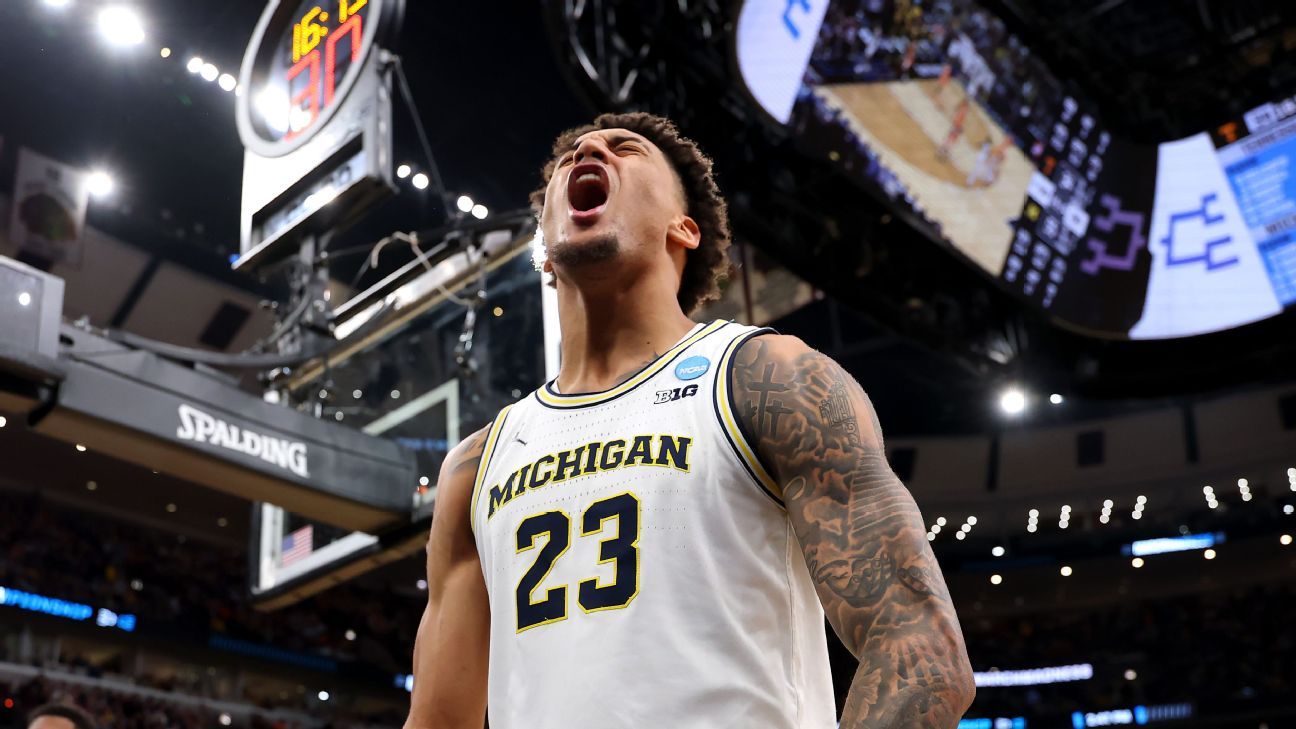
- Michigan: Physical Specialization. Leveraged significant interior physical assets (three 6’9″ players and a 7’3″ center) to enforce defensive dominance. Their decisive 23-point surge just before halftime against Tennessee demonstrates the efficacy of this size advantage against ill-equipped opponents.
- Illinois: Elite Offensive Engine. Maintained the No. 1 Adjusted Offensive Efficiency rank for much of the season, relying on high-quality shot selection and interior conversion rates since March 1. This high-risk, high-reward model demands consistent offensive output to neutralize defensive vulnerabilities.
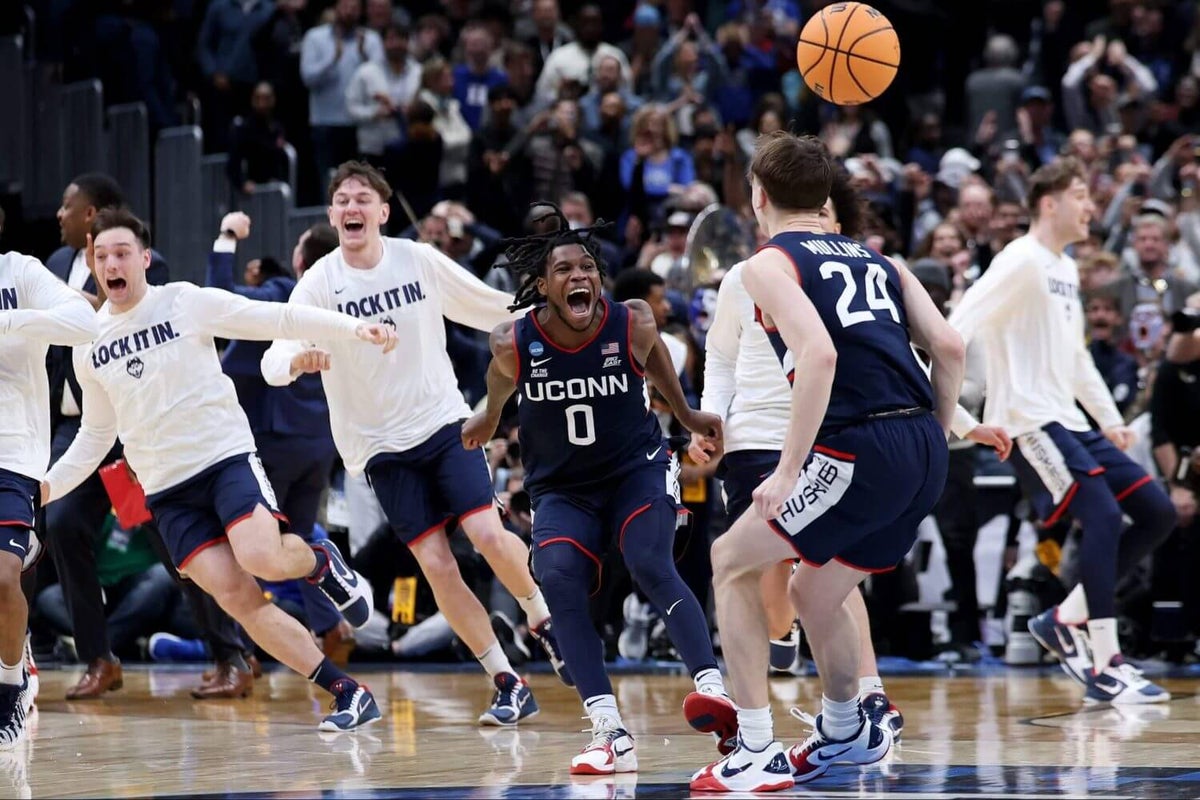
- Connecticut: Clutch Execution Culture. Secured the final bid through demonstrated capacity for high-leverage, late-game performance, distinguishing them from the specialized models of their rivals. Coach Hurley’s success implies an institutional pivot toward resilience over sheer margin of victory, referencing previous dominant iterations.
Institutional Leverage and Competitive Thresholds
The Final Four establishes a narrative clash between legacy maintenance and breakthrough ascension. Arizona, Michigan, and Illinois collectively hold two national championships, positioning them as challengers attempting to breach established competitive ceilings.
Connecticut’s pursuit of a seventh title—which would surpass Duke (whom they eliminated)—reinforces their modern dynastic leverage. This victory path underscores the intense pressure exerted by established legacy programs, even against hyper-specialized models. The outcome will calibrate the market for elite coaching talent, rewarding adaptability under tournament pressure over regular-season pedigree.
Operational Infrastructure: Media and Scheduling Asymmetry
The operational logistics highlight the commercial centralization of the NCAA structure. The final games across TBS and truTV confirm reliance on the current media rights consortium for maximizing advertising inventory.
The six-day gap between the Elite Eight and Saturday’s Final Four games creates a critical scheduling asymmetry. This extended rest period advantages Arizona, Illinois, and Michigan in physical recovery. Conversely, Connecticut, finishing the sole dramatic Elite Eight contest later, faces a compressed recalibration window, placing a higher immediate burden on tactical staff adjustments.
Future of Roster Construction: Data Point for Athletic Directors
The 2026 field serves as a quantifiable case study contrasting roster paradigms:
- The Size Paradigm (Michigan): Peak execution of ‘bully ball’ favored in single-elimination settings where interior control impacts possession outcomes.
- The Efficiency Paradigm (Illinois): Validates the counter-strategy that elite offensive geometry can mitigate physical disparity.
- The Continuity Paradigm (UConn): A pathway centered on proven culture and elite coaching, winning through psychological preparedness rather than pure quantitative metrics.
The outcome in Indianapolis will critically influence capital allocation decisions: investing in specialized physical assets (Michigan), analytical offensive dominance (Illinois), organizational balance (Arizona), or proven championship continuity (UConn). The volatility demonstrated suggests that while preseason metrics are foundational, sustained success requires tactical convergence under extreme duress, heavily influencing future transfer portal dynamics based on which archetype proves most resilient.