Winter Storm Bears Down on Southeast, Threatening Ice and Disruptions
Georgia and much of the Southeastern United States are preparing for a significant winter storm set to arrive on Saturday. The storm is expected to bring substantial and disruptive freezing rain and ice accumulation across the region.
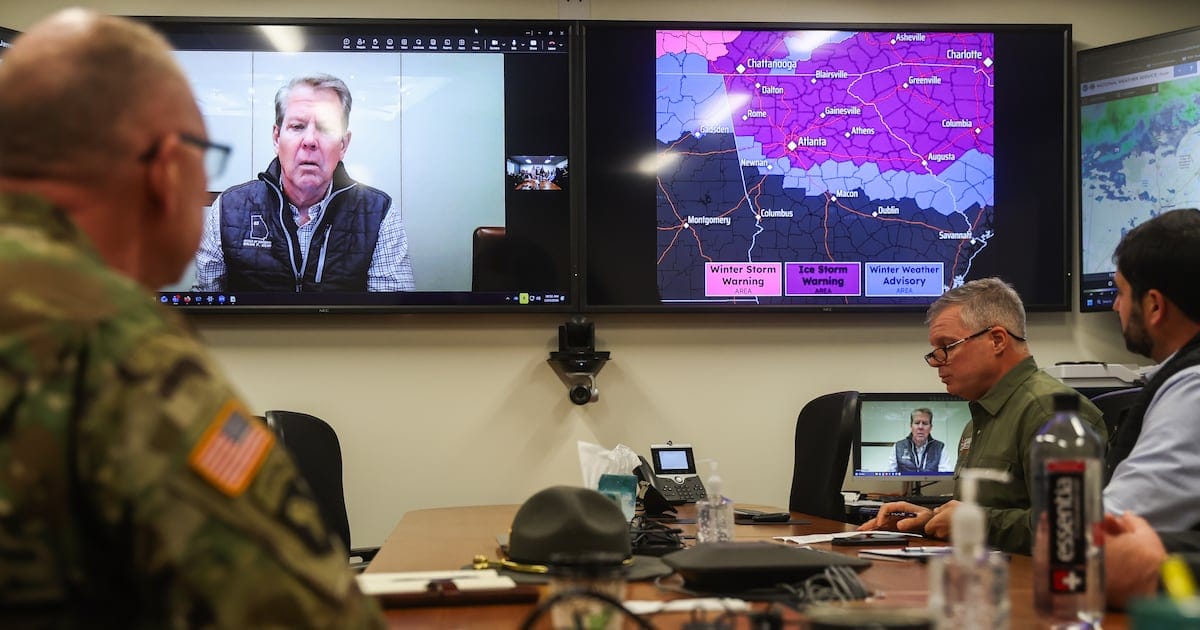
An ice storm warning has been issued for metro Atlanta, highlighting the severity of the expected weather event. Residents and authorities are mobilizing to mitigate the potential impacts, which could include widespread power outages and hazardous travel conditions.
Bracing for Impact: Metro Atlanta on High Alert
Metro Atlanta is currently under an ice storm warning that went into effect Saturday afternoon. This alert signifies a serious threat of ice accumulation, which can lead to dangerous situations on roads and infrastructure.
The anticipated freezing rain poses a significant risk to transportation networks. Roads can become slick and impassable, leading to significant delays and potential accidents. The accumulation of ice on trees and power lines can also cause widespread power outages.
School Closings and Cancellations Signal Broader Disruptions
In anticipation of the severe weather, many school districts across north Georgia have already canceled weekend events. The focus now shifts to Monday, with several districts deciding whether to hold classes or opt for virtual learning.
This proactive approach to school closures underscores the expected severity of the storm. Disruptions are likely to extend beyond educational institutions, affecting businesses and public services across the affected areas.
Why This Matters: Economic and Social Implications
The arrival of a major winter storm in the Southeast carries significant economic and social implications. The region is not as accustomed to handling such severe winter weather as some northern states, making preparedness and response critical.
Economic impacts can include lost business productivity due to closures and travel disruptions. For the food industry, which relies on timely deliveries and open establishments, such storms can mean significant financial losses. Restaurants, in particular, may face a dual challenge of reduced customer traffic and the potential for supply chain interruptions.
Socially, the storm poses risks to public safety. Hazardous road conditions can lead to accidents, and the potential for power outages affects heating and communication for residents. Vulnerable populations, such as the elderly or those with medical needs, require particular attention during such events.
Connecting to Broader Trends: Climate and Preparedness
While this is a specific weather event, it also touches upon broader discussions about climate and regional preparedness. Increasingly, regions are experiencing more extreme weather patterns, whether it be heatwaves, heavy rainfall, or, as in this case, significant winter storms.
The ability of communities to prepare for and respond to such events is becoming a key indicator of resilience. This includes investing in infrastructure that can withstand extreme weather, developing robust emergency response plans, and educating the public on safety measures.
The Southeast’s infrastructure, often not designed for heavy ice accumulation, can be particularly vulnerable. Understanding these vulnerabilities and planning accordingly is crucial for minimizing damage and ensuring the safety of residents.
A Look Ahead: Recovery and Future Preparedness
As the storm passes, the focus will shift to recovery efforts. This includes clearing roads, restoring power, and assessing any damage to infrastructure and property. The speed and efficiency of these recovery operations will depend on the severity of the storm and the resources available.
Looking further ahead, events like this serve as a stark reminder of the need for ongoing preparedness and investment in climate resilience. Continuous evaluation of emergency plans, infrastructure upgrades, and public awareness campaigns are essential to mitigate the impact of future extreme weather events.
The lessons learned from this winter storm will undoubtedly inform future planning, aiming to make communities safer and more robust in the face of an unpredictable climate.