WARDOGS’ Cloud-Native Strategy and Market Implications
The early-access debut of WARDOGS on NVIDIA’s GeForce NOW platform marks a significant strategic pivot for PC titles, prioritizing cloud-based distribution to bypass traditional download and installation barriers. This approach positions the 100-player tactical shooter for broader accessibility by leveraging cloud infrastructure, thereby mitigating hardware demands and storage limitations.
GeForce NOW integration enables players to experience WARDOGS with high-end performance without requiring substantial local hardware investment. This model directly addresses consumer friction, facilitating immediate engagement with demanding new releases and potentially accelerating player acquisition for developers like BULKHEAD. The platform’s capacity to deliver premium gaming experiences on less powerful devices reshapes the accessibility equation for PC gaming.
Launching on GeForce NOW during early access also signals an aggressive strategy to capture market share and build community momentum. By enabling immediate cloud streaming, BULKHEAD and publisher Team17 prioritize player accessibility and rapid feedback loops, vital for the iterative development process of early-access titles. This facilitates cultivation of a dedicated player base that can actively influence the game’s ongoing evolution.
Competitive Landscape and Evolving Distribution Models
WARDOGS’ multi-platform rollout, including a planned 2028 console release for Xbox and PlayStation, complements its current Steam Early Access and GeForce NOW availability, reflecting a complex, phased market entry. This staggered approach allows for refinement of core mechanics and economic systems within a PC environment before committing to the larger investments required for console launches, indicating a long-term vision for sustained player engagement and revenue.
The game’s description as a 100-player tactical FPS evoking a “good old days” feel, coupled with features like proximity voice chat across all three teams, targets a specific market segment seeking authentic, emergent player interactions. This positioning differentiates WARDOGS from more polished but potentially less dynamic tactical shooters by emphasizing player-driven narratives and unscripted gameplay. Success hinges on fostering a community that values these emergent qualities.
The inclusion of a persistent cash economy designed to incentivize team play is a critical element aimed at driving long-term player investment and strategic depth. This system, where every impactful action contributes to a larger objective, seeks to foster a more cohesive and rewarding experience than conventional game modes. Such economic incentives can profoundly shape player behavior, promoting cooperation and strategic resource management, thereby enhancing player retention and the perceived value of the game’s ecosystem.
Monetization Strategies and Player Incentives
WARDOGS’ persistent cash economy is engineered to reward a broad spectrum of player contributions beyond direct combat, encompassing logistics and construction roles. This diversifies earning potential and team contribution methods, potentially broadening appeal to players preferring support or strategic functions. Rewarding these actions cultivates a dynamic, interdependent gameplay loop where all player actions have tangible battlefield consequences.
This economic framework suggests potential monetization strategies extending beyond the initial purchase, though specific details are undisclosed. A well-executed persistent economy can support ongoing content updates, cosmetic items, or other in-game purchases without compromising core gameplay balance. Such models are increasingly prevalent in live-service games, aiming for sustained revenue and continuous development funding.
The emphasis on combined-arms combat, integrating infantry, vehicles, and player-built fortifications, necessitates sophisticated design balancing diverse tactical options. This complexity, while appealing to dedicated players, presents onboarding and balance challenges across roles and vehicle types. WARDOGS’ success will depend on effectively managing this complexity to ensure all sandbox elements meaningfully contribute to the player experience.
Market Positioning and Competitive Differentiation
WARDOGS’ positioning as a large-scale tactical FPS focusing on emergent gameplay and player-driven strategy places it in direct competition with established genre titles. However, its unique three-team structure, randomized objectives, and persistent economy offer distinct advantages. This framework moves beyond traditional two-sided conflicts, creating a more fluid and unpredictable battlefield with dynamic alliances and potential betrayals.
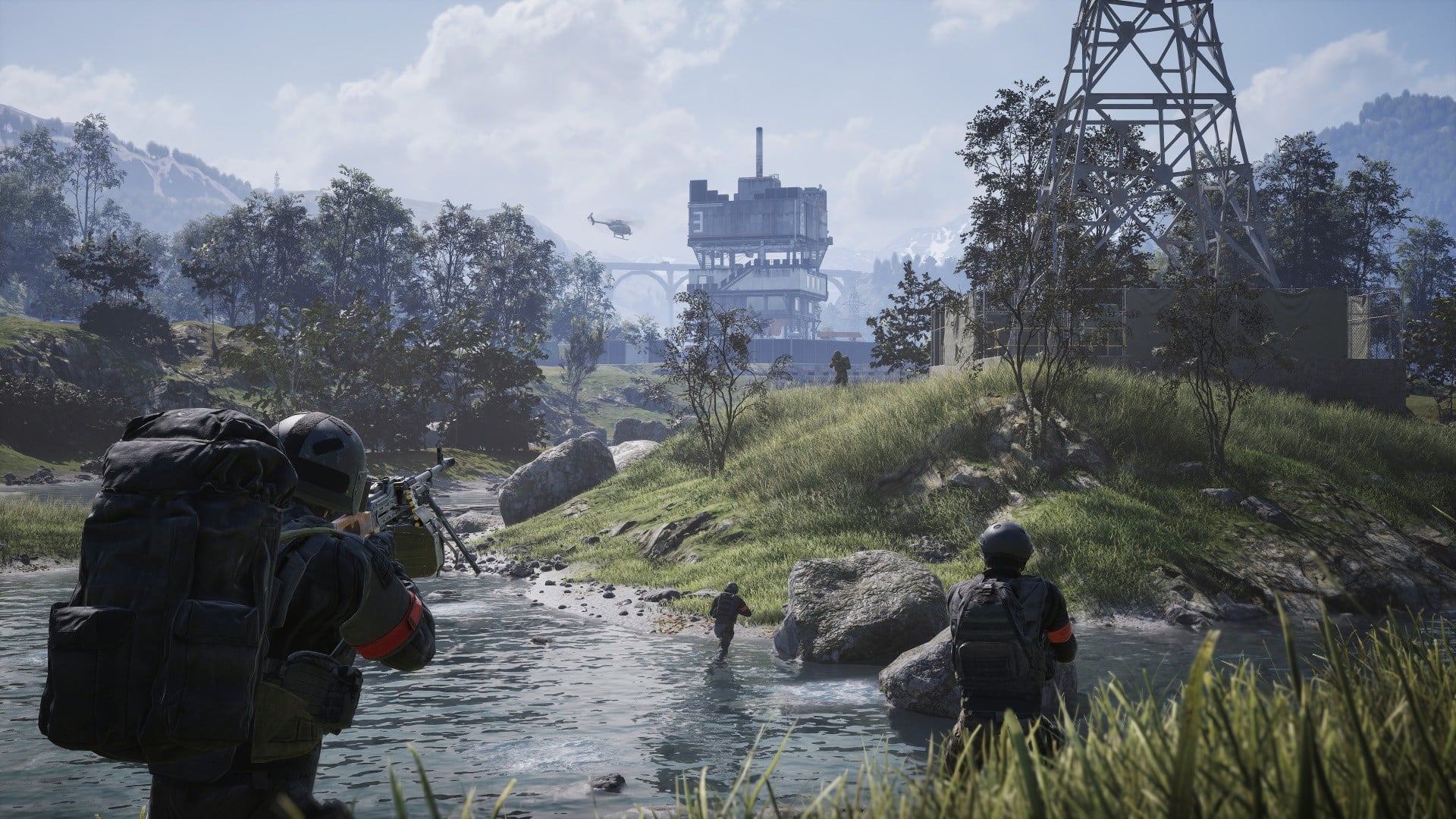
The developer’s choice of an Eastern European industrial sandbox setting provides a specific aesthetic and thematic identity. This environment, combined with destructible elements and player-built fortifications, contributes to a dynamic and reactive battlefield. The interplay between environmental destruction and strategic construction adds a unique layer of tactical depth, enabling players to actively shape the terrain to their advantage.
The game’s ambition to recreate a “play like you used to” feeling suggests a deliberate appeal to nostalgia combined with modern design principles. This dual focus aims to attract veteran players seeking an evolved familiar experience and new players drawn to innovative mechanics. Nostalgic appeal success hinges on delivering emergent, unscripted gameplay characteristic of earlier online multiplayer eras.
Downstream Impacts on the Gaming Ecosystem
WARDOGS’ success on cloud platforms like GeForce NOW could accelerate the trend of cloud-native releases, influencing future distribution and hardware optimization strategies. This model lowers entry barriers for players, potentially expanding the total addressable market for high-fidelity gaming. It also heightens the importance of network infrastructure and server stability, as player experience becomes directly tied to cloud service quality.
The extended development and release cycle, targeting consoles in 2028, signifies a strategic investment in building a sustainable player base and revenue model. This approach contrasts with rapid indie release cycles, indicating a commitment to long-term support and content development for WARDOGS, fostering player loyalty and a robust gaming community.
The game’s emphasis on community-driven content, evident from YouTube hype during closed betas, highlights the growing influence of content creators and social media in game marketing and acquisition. Mentions of creators like JackFrags playing the game suggest deliberate influencer marketing for awareness and excitement. This reliance on community engagement and creator promotion is a critical factor in modern gaming, driving early adoption and shaping player perception.
Strategic Considerations for Developers and Publishers
The WARDOGS model offers a compelling case for hybrid distribution strategies, combining early-access PC launches with cloud streaming and eventual console releases. This phased approach enables market testing, iterative development, and diversified revenue streams, necessitating careful planning for platform-specific optimizations and marketing to reach diverse player segments.
The financial implications are substantial, requiring significant investment in cloud infrastructure, ongoing development, and multi-platform marketing. However, the potential for sustained player engagement and revenue via a persistent economy and long-term content updates can justify these investments. WARDOGS’ success will be a key indicator of this comprehensive distribution and monetization model’s viability in the competitive tactical FPS market.
WARDOGS’ design, prioritizing emergent gameplay and player-driven narratives through features like proximity voice chat and a persistent economy, signals a strategic intent to cultivate a deeply engaged community. This focus on player agency and emergent experiences can drive higher player retention and organic community growth. Consistently delivering on this promise is paramount to WARDOGS’ long-term success and its ability to establish a distinct niche in the crowded tactical shooter genre.
Future Outlook and Industry Trends
WARDOGS’ trajectory—from its cloud-first early-access launch to its planned console debut—reflects broader industry trends favoring accessibility, player engagement, and diversified distribution channels. As cloud gaming matures and hardware costs remain a barrier, titles effectively leveraging these platforms are poised for a competitive edge.
The success of WARDOGS’ unique gameplay mechanics, particularly its three-team combat and persistent economy, will be closely monitored by other developers. If these elements resonate and drive sustained engagement, they could inspire similar innovations in the tactical shooter genre, pushing the boundaries of compelling multiplayer experiences.
Ultimately, WARDOGS’ journey underscores the evolving landscape of game development and distribution, where strategic platform choices, innovative design, and robust community engagement are critical for market success. The game’s ability to deliver on its ambitious promises will determine its impact on tactical FPS market dynamics and its long-term viability as a genre contender.