

Stuttgart Pursues Champions League Ambitions in Landmark Home Fixture
VfB Stuttgart hosts Werder Bremen in a significant Bundesliga fixture, celebrating their 1000th home game in the league. This match is pivotal for Stuttgart’s aspirations to secure a Champions League spot, a goal amplified by recent league performance and evolving European qualification pathways for German teams.
The potential for an additional Champions League berth for Germany adds strategic weight. If German clubs like Bayern Munich and Bayer Leverkusen advance in European semi-finals, the fifth-place finisher in the Bundesliga could qualify. Stuttgart, currently fourth, is strategically positioned but emphasizes securing points independently, prioritizing a decisive victory against Bremen.
Historical Context and Competitive Landscape
This encounter is not just about current points but also embodies Bundesliga tradition, marking the 114th league meeting between VfB Stuttgart and Werder Bremen, one of the league’s most frequent rivalries. The club’s 1000th home Bundesliga game adds historical resonance, often galvanizing team performance and fan engagement.
Strategic Implications of European Qualification
Stuttgart’s fourth-place standing reflects strong competitive momentum. However, the potential for a fifth Champions League spot for the Bundesliga, dependent on German clubs’ European success, introduces a dynamic element. This dual pathway necessitates robust performance in remaining league matches to guarantee a top-tier European competition berth, underscoring the importance of proactive point accumulation over reliance on external results.
Champions League qualification carries substantial financial and sporting implications, influencing player recruitment, sponsorship, and overall club valuation.
Team Form and Tactical Considerations
VfB Stuttgart’s recent form, despite a league setback against Bayern Munich, demonstrates resilience, highlighted by their DFB-Pokal progression. This ability to bounce back is critical in a European qualification race.
Tactically, Stuttgart is expected to field a 4-2-3-1 formation, featuring key midfielders like Karazor and attacking options such as Demirovic. Werder Bremen’s likely 3-4-2-1 formation suggests a midfield-centric approach to disrupt Stuttgart’s build-up. The absence of Werder’s captain, Marco Friedl, due to injury, could impact their defensive stability.
Market and Stakeholder Impact
A victory significantly bolsters VfB Stuttgart’s financial prospects through increased prize money, broadcast revenue, and commercial appeal. This can fund squad development and infrastructure improvements.
For Werder Bremen, a strong performance can still influence their final league position, impacting bonuses and revenue shares. The league as a whole benefits from competitive European qualification races, enhancing its global appeal to broadcasters and sponsors.
Broader League Dynamics
The pursuit of a fifth Champions League spot reflects a broader trend of German clubs enhancing the Bundesliga’s European standing. Stuttgart’s resurgence challenges traditional dominance, fostering more unpredictable outcomes and global audience interest.
Performance Leverage and Competitive Advantage
Stuttgart’s consistent performance throughout the season, particularly at home, has been key to their current standing. Effective coaching, player development, and tactical execution provide a competitive edge.
The historical context of the 1000th home game serves as a psychological amplifier. By focusing on securing a win, Stuttgart maximizes its performance leverage, aiming to control its Champions League destiny.
Stakeholder Implications and Future Outlook
For fans, Champions League qualification is the pinnacle. For investors and sponsors, it offers increased brand visibility. Club management faces the challenge of leveraging qualification for sustainable success, requiring careful financial management and strategic player recruitment.
Institutional Strategy and Long-Term Vision
Stuttgart’s pursuit of Champions League football aligns with an institutional strategy focused on sustained growth and elevated competitive standing. A long-term vision aims to establish Stuttgart as a consistent force in German and European football, underpinned by robust financial planning and talent development.
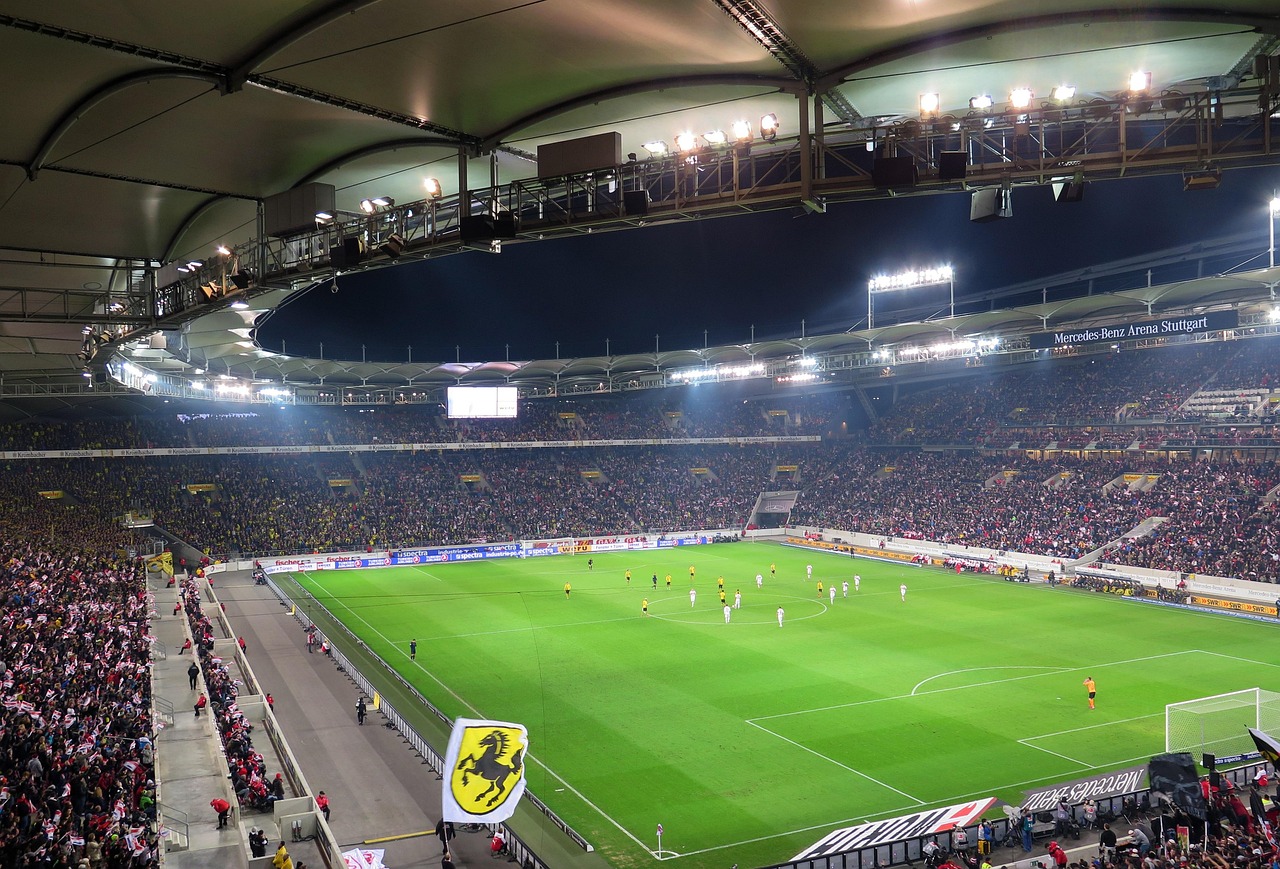
Photo by moerschy on Pixabay.