
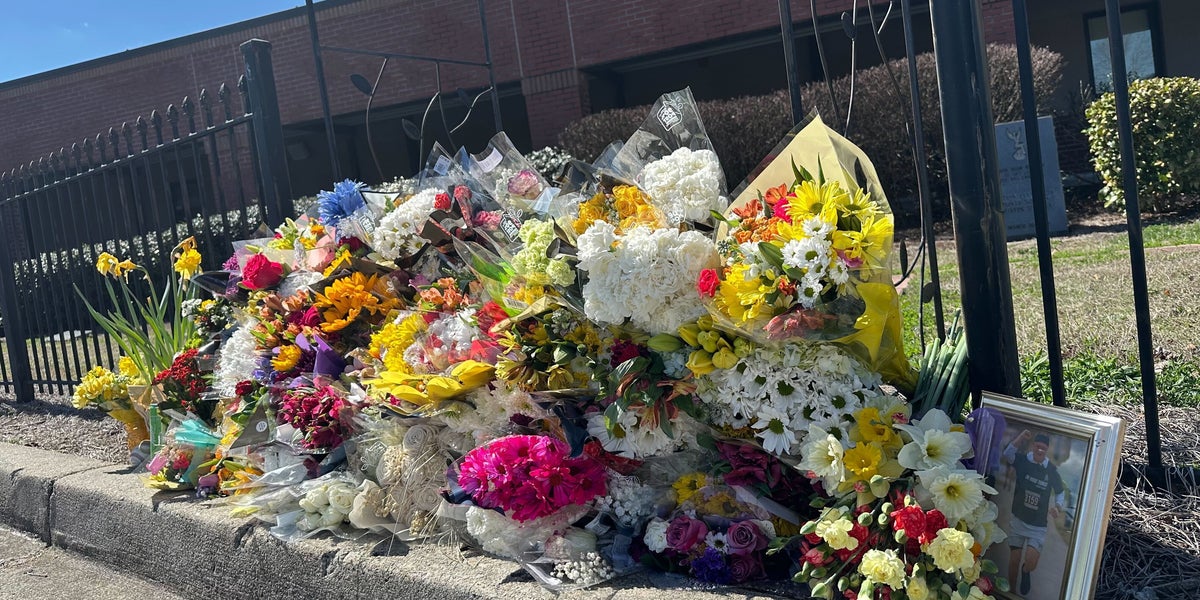
The death of North Hall High School teacher Jason Hughes, following an off-campus incident initiated by students attempting a toilet paper prank at his residence, has immediately elevated the legal focus from typical student discipline to severe criminal prosecution under Georgia’s vehicular homicide statutes and institutional liability assessment.
Criminal Trajectory: Proximate Cause and Vehicular Homicide
The charging of the 18-year-old driver, Jayden Ryan Wallace, with first-degree vehicular homicide, alongside reckless driving, criminal trespass, and littering, dictates that prosecutors must establish a direct link between the initial criminal trespass and the subsequent reckless operation of the vehicle resulting in death.
First-degree vehicular homicide in Georgia requires proof that the driver caused the death while committing a serious misdemeanor or felony. The defense will likely contest this by arguing that teacher Hughes’s active confrontation and subsequent entry into the roadway constituted an intervening, superseding cause that broke the chain of causation established by the initial trespass and flight.
Conversely, the prosecution must argue that Wallace’s decision to flee recklessly—driving a pickup truck while attempting to evade the homeowner involved in the underlying criminal trespass—was an inherently dangerous act directly contributing to the fatal impact when Hughes tripped and fell.
The involvement of four other students exposes them to potential accessory liability. Their collective decision to engage in the unlawful activity (trespass and littering) created the initial volatile condition, forcing the school district to manage multiple, interconnected legal defense profiles.
Institutional Exposure Beyond Campus Boundaries
Although the incident occurred off-campus, the dynamics involved—a current teacher allegedly confronting current students—force a critical audit of institutional responsibility concerning professional boundaries extending beyond mandated settings.
While strict jurisdictional limits typically shield districts from off-hours conduct, civil litigation may leverage the perceived blurring of professional/adversarial boundaries, especially if the teacher’s reported intent was to actively pursue and surprise the group. This raises questions regarding negligent supervision or failure to enforce conduct codes that could indirectly contribute to high-risk confrontations.
Complicating Factors: Victim’s Family and Prosecutorial Discretion
The reported wish of the deceased teacher’s wife to have charges dropped introduces a significant complication for the District Attorney’s office. While the family’s wishes are weighed, the state retains prosecutorial authority for serious felonies. This dynamic primarily influences sentencing recommendations or plea negotiations, testing the balance between restorative justice optics and the gravity of a death resulting from vehicular recklessness.
Risk Management and Liability Frameworks
The incident demands an immediate review of indemnification protocols for educational boards, particularly regarding faculty conduct that may provoke confrontations. The legal focus will heavily depend on establishing proximate cause: Was the driver’s recklessness the cause, or was the teacher’s reaction the intervening factor?
The financial implications guarantee complex civil litigation. A criminal conviction for vehicular homicide will significantly bolster wrongful death claims against the driver’s personal liability coverage. Simultaneously, the school district’s carriers must assess whether systemic issues regarding staff-student interaction protocols contributed to an environment where such escalation was possible.
Strategic Implications for School Culture and Policy
This event creates a profound institutional scar, immediately impacting staff morale and recruitment. It necessitates stringent recalibration of policies governing teacher-student boundaries off-campus, emphasizing avoidance and official reporting over personal intervention in perceived misconduct.
The incident serves as a high-profile case study demonstrating how low-stakes youthful rebellion, when combined with high-speed flight from minor crimes (trespass), can transition into felony-level catastrophic outcomes under existing Georgia statutes. The long-term challenge for administration involves demonstrating systemic corrective action to mitigate future risk exposure.

Photo by SvenKirsch on Pixabay.