Strategic Brinkmanship: The Fragile Maritime MoU Under Fire
The June 15 Memorandum of Understanding (MoU), brokered between U.S. President Donald Trump and Iranian President Masoud Pezeshkian, faces an existential threat following direct military exchanges in the Persian Gulf. This breakdown marks the first major breach of the agreement, signaling a return to high-stakes strategic competition over the world’s most critical energy chokepoint: the Strait of Hormuz.
The Catalyst: Kinetic Engagement and Retaliation
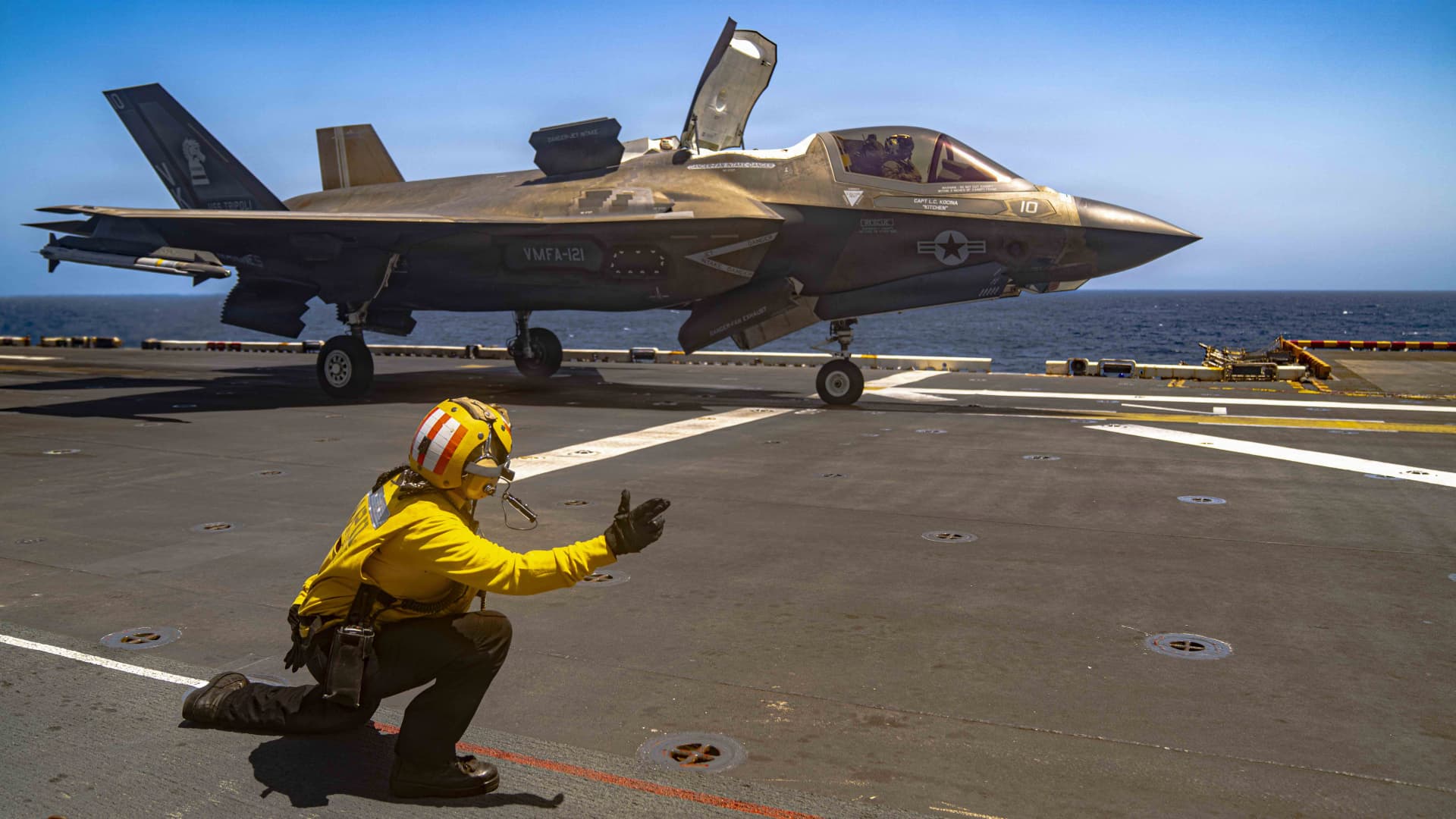
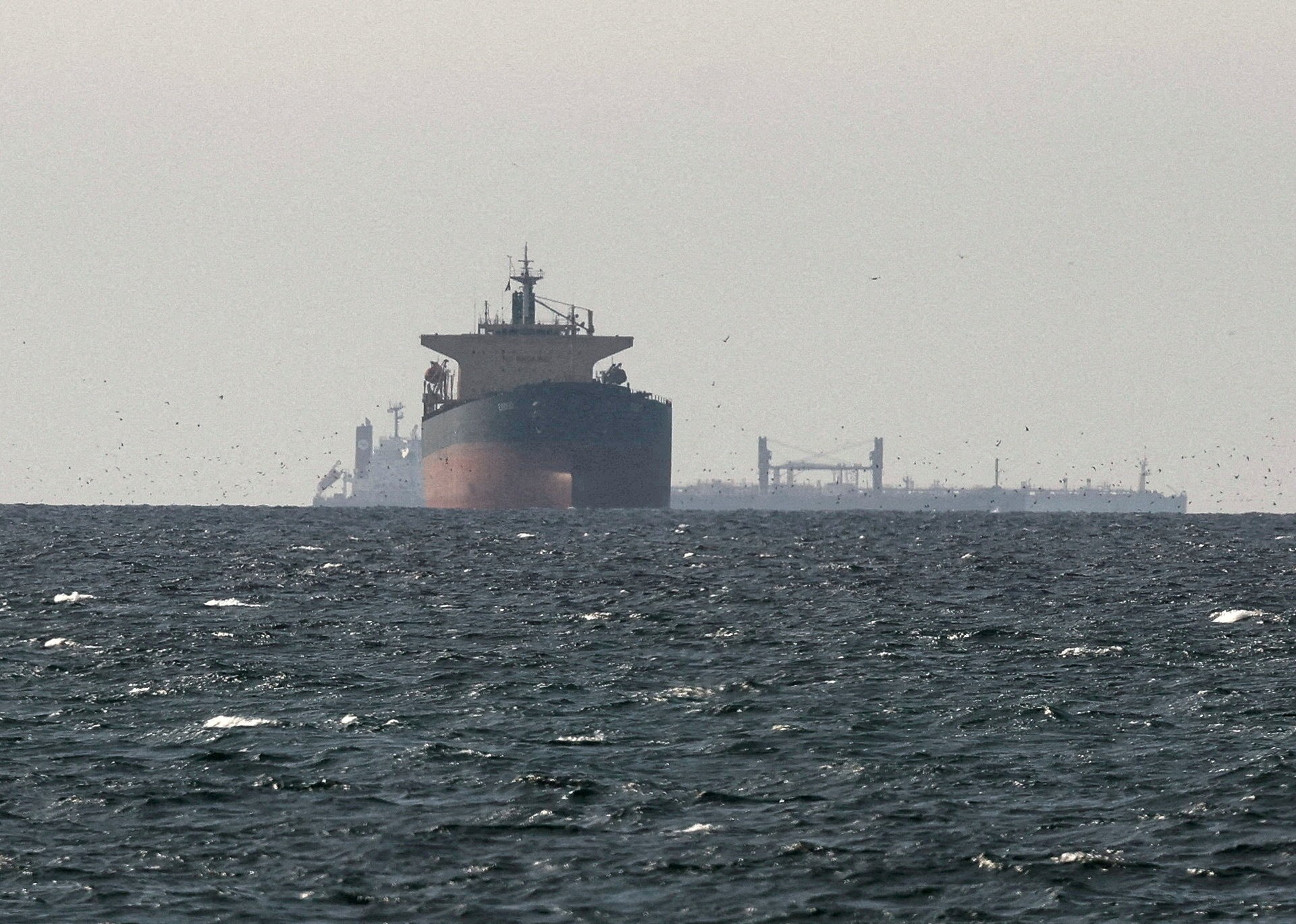
Hostilities surged after U.S. Central Command (CENTCOM) conducted precision strikes on missile storage, drone facilities, and radar installations along Iran’s southern coastline. These actions were a calibrated response to an Iranian drone strike on the Singapore-flagged cargo vessel Ever Lovely. While the vessel sustained manageable damage and continued its transit, the incident represents a direct challenge to international freedom of navigation (FONOP) standards.
President Trump characterized Tehran’s actions as a “foolish violation” of the ceasefire, citing the interception of three additional attack drones targeting commercial traffic. The subsequent retaliation by the Islamic Revolutionary Guard Corps (IRGC) against U.S. military positions further cements a tit-for-tat escalation cycle that undermines the diplomatic foundation of the June accord.
Macro-Geopolitical and Economic Implications
The Strait of Hormuz is the primary artery for global oil supplies; any sustained kinetic activity triggers immediate market volatility. Beyond energy pricing, the conflict exposes the fragility of maritime governance when confronted with asymmetric warfare tactics. Shipping insurers are already recalibrating risk premiums, which could increase the landed cost of goods globally.
- Strategic Deterrence: U.S. strikes aim to degrade Iran’s power-projection capabilities, yet risk entrenching Iranian resolve for asymmetric responses.
- Diplomatic Divergence: The collapse of the MoU would signal a failure of personal diplomacy between Trump and Pezeshkian, potentially leading to a more rigid sanctions regime.
- Global Trade Resilience: The threat to the Ever Lovely highlights the vulnerability of the Singapore-flagged fleet and other international commerce hubs to regional instability.
Conclusion: Navigating a Volatile Future
The survival of the maritime ceasefire now depends on whether both administrations can pivot from military retaliation to diplomatic de-escalation. Without a renewed commitment to the MoU’s protocols, the Persian Gulf risks entering a protracted period of maritime insecurity, threatening not just regional stability, but the continuity of the global energy supply chain.