US Reports Downing of Iranian Drone Amid Regional Tensions
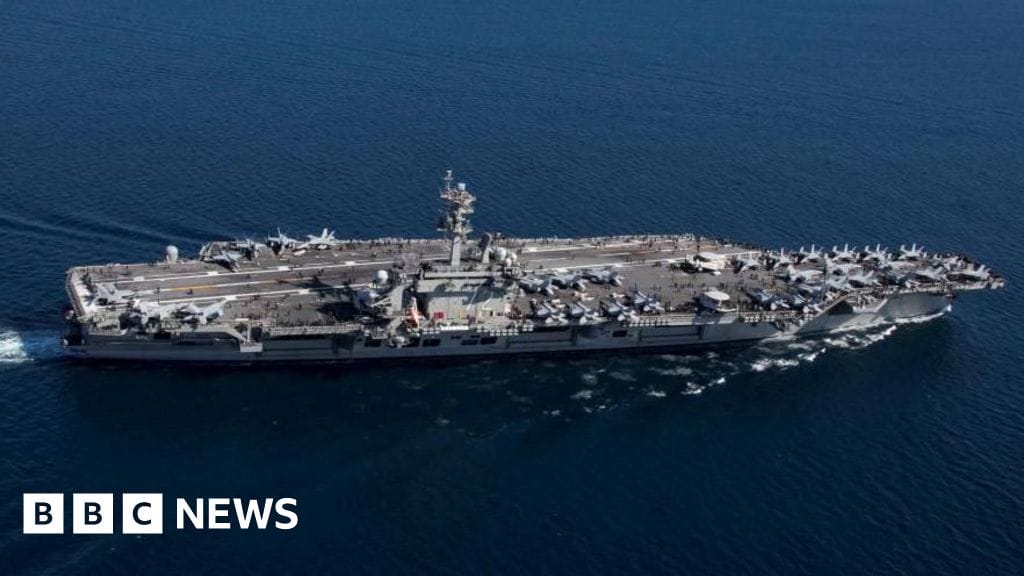
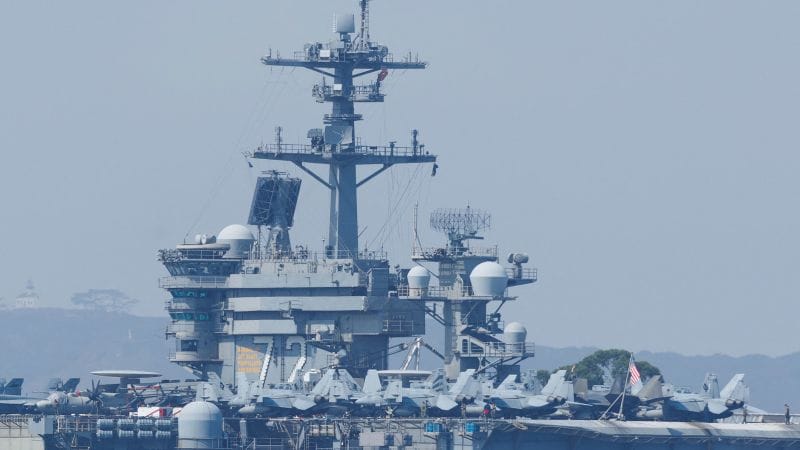
The United States reported that its military forces shot down an Iranian drone operating in the Arabian Sea. The incident occurred on a Tuesday when the unmanned aerial vehicle was stated to have “aggressively approached” an American aircraft carrier, prompting defensive action.
This event unfolded amidst a complex regional security landscape and ahead of scheduled diplomatic talks between Iran and the United States, casting a shadow over potential diplomatic pathways. The operational maneuver and subsequent engagement highlight the multifaceted challenges inherent in managing state interactions in strategically vital maritime territories.
Operational Account of the Incident
According to US statements, an Iranian drone was intercepted and shot down by a US aircraft carrier in the Arabian Sea. The US military characterized the drone’s actions as an “aggressive approach” towards the naval vessel.
The defensive measure was taken to protect the integrity and operational safety of the aircraft carrier. Hours following this reported engagement, two gunboats operated by Iran’s Islamic Revolutionary Guard Corps (IRGC) were also noted to appear in the vicinity, further underscoring the dynamic operational environment.
Strategic Context of Maritime Operations in the Arabian Sea
The Arabian Sea constitutes a critical artery for global commerce and energy transit, making it a focal point for naval operations by various international powers. The routine presence of major naval assets, including aircraft carriers, is a manifestation of nations projecting power and securing strategic interests in this vital waterway.
For any significant naval asset, such as an aircraft carrier, the establishment and maintenance of a robust defensive perimeter are paramount to operational readiness and security. This operational imperative dictates protocols for identifying and responding to any perceived threats, whether from conventional or unconventional sources.
The Dynamics of Unmanned Aerial Vehicle Engagement
Unmanned Aerial Vehicles (UAVs), or drones, have become integral tools for intelligence gathering, surveillance, and reconnaissance (ISR) operations globally. Their deployment offers a relatively low-cost, low-risk method for monitoring adversaries and asserting a presence without direct human exposure to immediate danger.
However, the operation of drones, particularly in close proximity to major naval combatants, introduces significant challenges for traditional defense systems and protocols. An “aggressive approach” by such a vehicle, as described by the US, can be interpreted within naval doctrine as a precursor to hostile action or a deliberate probing of defensive capabilities.
Rules of Engagement and International Maritime Law
Military forces operating in international waters adhere to established rules of engagement, which provide a framework for the use of force in self-defense and in response to hostile acts or intent. These rules are designed to balance the imperative of protecting personnel and assets with the broader goal of preventing unwarranted escalation.
The characterization of an approach as “aggressive” by a military asset typically triggers a sequence of warnings and, if unheeded, can culminate in defensive measures. Such actions are generally considered permissible under international maritime law when there is a clear and immediate threat to a vessel or its crew, though interpretations of what constitutes an immediate threat can vary between state actors.
Diplomatic Ramifications and Interplay with Bilateral Discussions
Military incidents involving state actors often carry significant diplomatic weight, capable of either derailing or complicating existing or planned political dialogues. The reported downing of the drone occurred directly ahead of scheduled talks between Iran and the United States.
Such events inevitably introduce new points of contention and can exacerbate mistrust, making diplomatic resolution more challenging. Tehran’s subsequent demand for a venue change for these talks underscores the immediate political fallout and the difficulty of separating military actions from the broader diplomatic agenda.
Strategic Communication and Narrative Control
In the wake of military engagements, the official statements issued by involved states play a crucial role in shaping domestic and international perceptions. The US statement regarding the shooting down of the drone serves to formally acknowledge the event, provide an official account, and justify the actions taken.
This form of strategic communication aims to clarify facts from the reporting nation’s perspective, assert the legitimacy of its defensive actions, and signal its resolve to protect its assets and personnel. Managing the narrative effectively is critical for controlling information flow and mitigating potential misinterpretations in a global media environment.
Institutional Frameworks for De-escalation and Risk Management
Within large naval commands, robust institutional frameworks are in place for real-time threat assessment and response. These frameworks involve multiple layers of command and control, ensuring that decisions regarding the use of force are made judiciously and in accordance with established protocols.
Despite these internal mechanisms, the absence of clear, mutually accepted de-confliction protocols between rival militaries operating in close proximity creates inherent systemic risks. Such gaps can increase the likelihood of miscalculation, particularly when faced with ambiguous actions from unmanned systems, necessitating continuous efforts to establish clear lines of communication and avoid inadvertent escalation.
Broader Governance Implications of Maritime Incidents
Incidents like the reported drone downing test the resilience and applicability of existing international norms and conventions governing state conduct in maritime domains. They highlight the ongoing assertion of operational presence by naval powers and how such presence is intertwined with national interests and strategic influence.
Moreover, the involvement of specific state entities, such as Iran’s Islamic Revolutionary Guard Corps, introduces additional layers of complexity to international interactions. The operational mandates and command structures of such organizations can differ from traditional military forces, sometimes complicating direct state-to-state communication and adherence to standardized international protocols.
Conclusion: Persistent Challenges in Maritime Security and Statecraft
The reported downing of an Iranian drone by a US aircraft carrier in the Arabian Sea underscores the volatile nature of contemporary international relations and the enduring challenges in maritime security. This event exemplifies the delicate balance required between maintaining military vigilance and pursuing diplomatic engagement in contested regions.
It highlights the critical importance of clearly articulated operational protocols, effective strategic communication, and functional de-escalation mechanisms to prevent isolated incidents from escalating into broader conflicts. The ongoing interplay between military maneuvers and diplomatic initiatives remains a central feature of statecraft in a complex global environment.