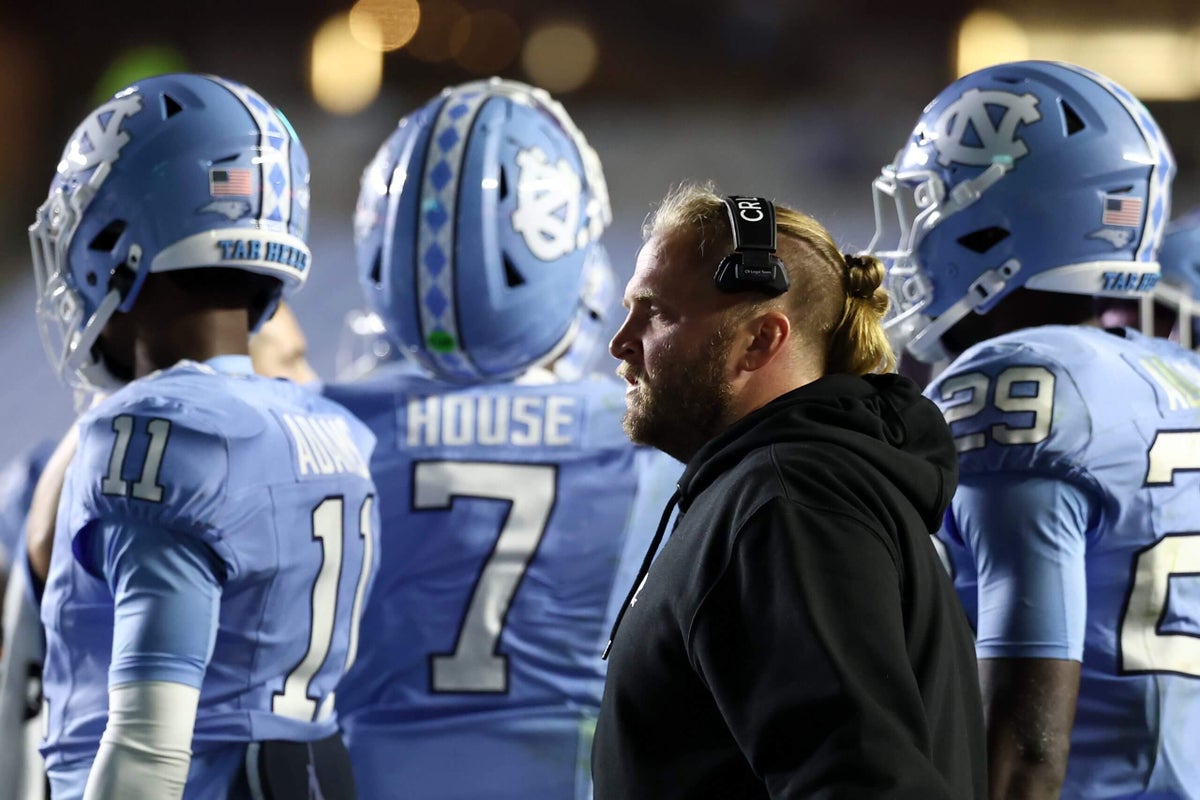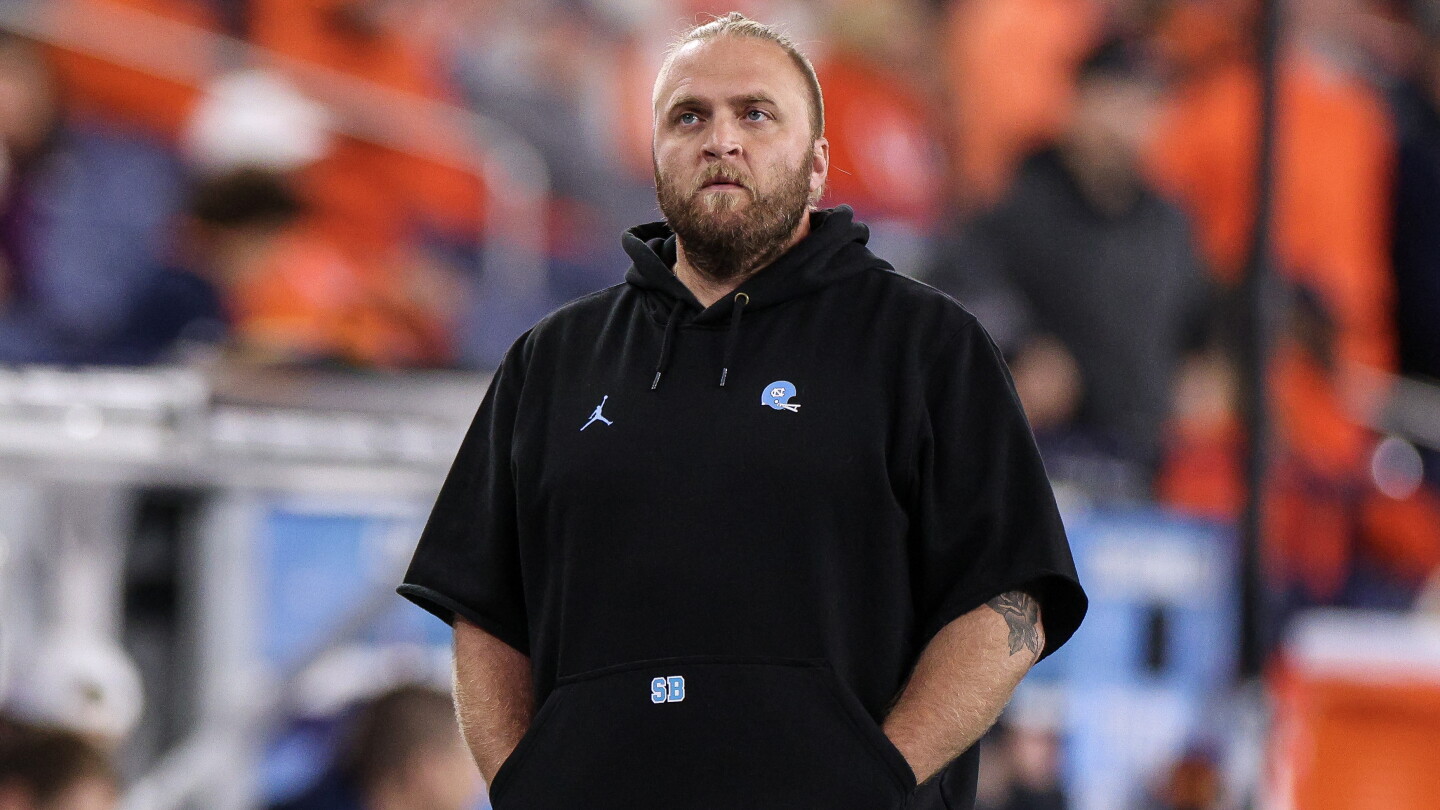
UNC Defensive Coordinator Steve Belichick on Indefinite Medical Leave
North Carolina defensive coordinator Steve Belichick has been placed on indefinite medical leave. This development impacts the Tar Heels’ coaching staff preparations for their second season under head coach Bill Belichick. The university confirmed the absence, with Bill Belichick stating the team “look[s] forward to getting him back as soon as possible” but offering no further details on the nature of the leave or a return timeline.
The situation presents immediate operational challenges for the UNC football program, particularly concerning defensive strategy and continuity. Steve Belichick, son of the head coach and a key architect of the defense, will be absent, requiring the remaining defensive staff to absorb his responsibilities. Bill Belichick indicated no interim defensive coordinator will be appointed, emphasizing a collective coaching approach to defensive schemes that will be tested under these circumstances.
Coaching Staff Dynamics and Strategic Implications
Steve Belichick’s absence leaves a significant void in specialized defensive leadership. His prior experience includes a defensive coordinator role at the University of Washington and a decade with the New England Patriots. His deep integration into the Tar Heels’ defensive playbook, informed by complex NFL schemes and his father’s coaching philosophy, is now being managed collectively.
The distributed responsibility for defense relies on the existing staff, including defensive backs coach Brian Belichick (Bill’s younger son) and defensive line coach Bob Diaco. This model must demonstrate resilience and adaptability in game-planning and in-game adjustments to sustain the defensive performance that ranked 25th nationally in yards per play allowed last season.
Institutional Context and Program Stability
This medical leave occurs concurrently with other personnel changes within the North Carolina athletic department, notably the indefinite leave of General Manager Michael Lombardi due to an internal investigation. These overlapping developments raise questions about the overall stability and administrative oversight of the football program during a critical preparatory period for its second season under new leadership.
The timing of these departures, just before preseason practice, poses a challenge to team cohesion and strategic execution. Steve Belichick’s canceled media availability, initially attributed to him “not feeling well,” highlights the sensitive nature and limited transparency surrounding his absence.
Performance Leverage and Stakeholder Impact
The Tar Heels’ defensive performance, which improved significantly in the latter half of the previous season, is directly tied to the defensive coordinator’s strategic direction. Steve Belichick’s indefinite leave introduces uncertainty regarding the consistency and evolution of this performance, potentially affecting the team’s competitive standing.
Players, recruits, alumni, and university administration will closely observe the coaching staff’s adaptation. The remaining coaches’ ability to maintain defensive effectiveness and recruitment success will be a key indicator of the program’s resilience and long-term trajectory under Bill Belichick’s tenure.
Operational Continuity and Coaching Succession
The decision not to name an interim defensive coordinator signifies a strategic choice for a unified coaching front, emphasizing collective expertise. This approach requires strong communication and collaborative synergy among the remaining defensive coaches.
Operational continuity depends on established relationships and communication channels within the defensive unit. The depth of understanding of defensive schemes and each coach’s capacity to assume broader responsibilities are crucial for mitigating the impact of Steve Belichick’s absence and ensuring seamless defensive preparations.
Media Scrutiny and Program Narrative
The prominent profiles of both Bill and Steve Belichick, combined with the defensive coordinator’s critical role, ensure significant media attention. The lack of detailed information about Steve Belichick’s condition or return date will likely fuel speculation and increase scrutiny on the program’s internal management and communication.
The narrative surrounding the North Carolina football team, already under scrutiny due to Bill Belichick’s high-profile transition from the NFL, will now include this unexpected challenge. Effective management of transparency and communication will be vital for shaping public perception and maintaining confidence among key constituents.
Recruitment and Future Talent Acquisition
Coaching staff stability is a significant factor in college football recruitment. The indefinite absence of a key defensive coordinator, particularly one with Steve Belichick’s pedigree, may introduce uncertainty for prospective student-athletes.
Recruiting efforts, especially for defensive positions, could be impacted if potential recruits perceive leadership instability. The UNC staff’s ability to reassure recruits and demonstrate a robust, unified coaching structure will be paramount for sustaining the program’s talent acquisition pipeline.
Financial and Resource Allocation Implications
While not explicit, such personnel changes can have indirect financial implications. Management of coaching responsibilities, potential temporary workload distribution adjustments, and the broader impact on program fundraising and donor confidence are all factors that could be influenced.
The university’s commitment to supporting the football program, including its coaching staff, will be tested. Ensuring adequate resources and support are in place to manage the current situation without compromising long-term strategic objectives is a key administrative consideration.
Historical Precedent and Coaching Transitions
Steve Belichick’s career, including his extensive tenure with the New England Patriots and his role at Washington before joining UNC, demonstrates consistent involvement in high-level football operations. His transition to defensive coordinator at UNC represented a significant coaching development under his father.
This unique situation occurs within the broader context of coaching transitions and personnel challenges inherent in collegiate athletics. How UNC navigates this period will provide insights into its institutional capacity for managing unforeseen staff disruptions and maintaining competitive equilibrium.
Long-Term Program Development and Coaching Legacy
The success of Bill Belichick’s tenure at North Carolina is intrinsically linked to the development of a robust and stable coaching staff. The current circumstances offer an early test of the program’s foundational strength and its ability to overcome adversity.
The long-term development of the Tar Heels hinges on the sustained effectiveness of its coaching leadership. The current situation, while focused on immediate operational needs, will shape the program’s trajectory and contribute to the evolving narrative of Bill Belichick’s impact beyond the NFL.