
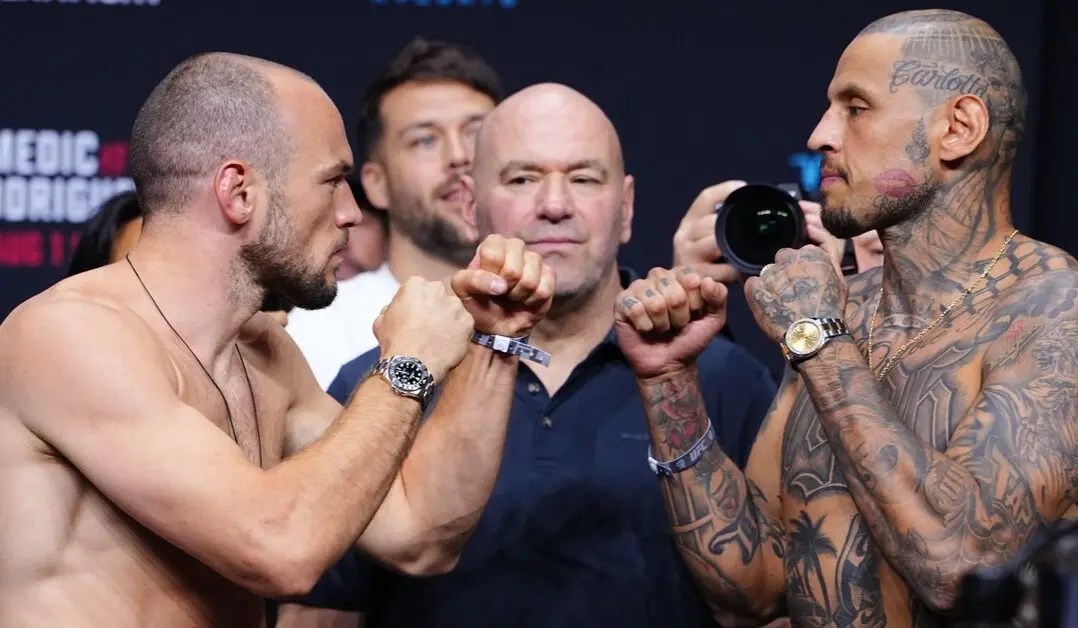
UFC Belgrade Card: Debutants and Key Matchups Shape Divisional Dynamics
The Ultimate Fighting Championship’s inaugural event in Serbia, UFC Belgrade, presents a card meticulously constructed to balance emerging talent with established contenders. The main event pits welterweight contenders Uros Medic against Daniel Rodriguez, a bout critical for divisional positioning. In the co-main event, former light heavyweight champion Jan Blachowicz faces the undefeated Navajo Stirling, a stern test of Stirling’s readiness for elite competition.
Debutants’ Strategic Integration and Performance Leverage
The inclusion of strawweight Stephanie Rondinha and welterweight Michael “PQD” Oliveira on the UFC Belgrade card represents a strategic promotion initiative. For these debutants, a strong performance in an international market offers significant leverage for future contract negotiations, promotional opportunities, and building marketability. The pressure is amplified by the global stage, making initial success crucial for establishing career momentum within the highly competitive UFC roster.
Veteran Showdowns: Impact on Divisional Top Contention
The main event between Uros Medic and Daniel Rodriguez, and the co-main event featuring Jan Blachowicz against Navajo Stirling, are designed to impact divisional rankings. For Medic and Rodriguez, a decisive win is essential to climb the welterweight ladder. Blachowicz’s return against the undefeated Stirling is a pivotal moment, signaling his potential resurgence or Stirling’s definitive ascent into title contention.
Expert Analysis and Market Sentiment Indicators
Pre-fight analyses from outlets like SUPER LUTAS provide quantifiable insights into market sentiment and perceived fighter advantages. Predictions, such as Medic by second-round KO or Stirling by decision, highlight strategic betting angles and fan engagement drivers, reflecting an assessment of each fighter’s stylistic matchups and historical performance trends.
International Events: Talent Development and Market Penetration
Hosting events in new territories like Serbia is integral to the UFC’s global expansion strategy. These events not only cultivate new fan bases but also serve as platforms for regional talent to gain international exposure. The success of fighters like Rondinha and PQD in these markets can inspire aspiring athletes, fostering a more robust pipeline of talent and demonstrating a clear pathway to global recognition.
Fight Card Construction: Balancing Star Power and Developmental Opportunities
The UFC’s fight card architecture, balancing marquee matchups with opportunities for developmental talent, is a core component of its business model. This approach caters to diverse fan interests while cultivating future stars. A well-constructed card maximizes viewership and revenue streams, with each fighter’s performance contributing to the promotion’s overall narrative of talent scouting and development.
Divisional Dynamics and Competitive Landscape Shifts
The welterweight and light heavyweight divisions are consistently among the UFC’s most competitive. The outcomes of the Medic-Rodriguez and Blachowicz-Stirling bouts will inevitably send ripples through these weight classes. A victory for either Medic or Rodriguez could alter the immediate title picture, while Stirling’s performance against a former champion is a direct indicator of his readiness for the division’s elite.
Media Amplification and Fan Engagement Strategies
Key promotional moments, such as press conference face-offs, generate significant anticipation and drive fan engagement. Media coverage from specialized outlets amplifies the event’s reach, dissecting competitive intricacies and shaping public perception. This multifaceted promotional ecosystem is vital for engaging a global audience.
Operational Execution in Emerging Markets
The logistical and operational execution of an event in a new international market like Serbia is critical. Seamless planning, from venue management to athlete logistics, ensures a positive experience that can pave the way for future events and reinforce the UFC’s commitment to global expansion.
Performance-Based Incentives and Fighter Career Trajectories
The UFC’s performance-based incentive structure places immense pressure on fighters, especially debutants like PQD and Rondinha, to deliver performances that justify their contracts. Bonuses for notable finishes further incentivize aggressive tactics, directly influencing earning potential and career progression.
Athlete Narratives and Cultural Resonance
Compelling athlete narratives, such as Michael “PQD” Oliveira’s transition from military service, resonate deeply with audiences. These personal stories are amplified through media, contributing to the sport’s cultural impact and driving fan connection beyond the purely athletic competition.
Strategic Talent Acquisition and Roster Management
The continuous search for new talent, exemplified by the debuts at UFC Belgrade, is fundamental to the UFC’s long-term strategic planning. Identifying and retaining promising athletes is crucial for maintaining roster depth and competitive dominance, directly impacting market value and financial stability.
Evolving Media Landscape and Promotional Synergy
The synergy between traditional sports media, digital platforms, and social media amplifies fight promotion. This integrated approach is essential for capturing attention and driving viewership in an increasingly fragmented media environment, ensuring maximum reach for events like UFC Belgrade.
Performance Leverage and Career Milestones
Each bout on the UFC Belgrade card represents a critical juncture, offering significant performance leverage. For debutants, initial performances set the tone for their entire tenure, influencing contract renewals and future fight assignments, thereby shaping their UFC career trajectory.
Capital Investment and Market Growth Potential
The UFC’s global expansion, evidenced by events like UFC Belgrade, signifies substantial capital investment in MMA. This investment is driven by the sport’s growing popularity and revenue potential, with event success closely monitored by stakeholders to gauge market health and future growth prospects.
Institutional Strategy for Market Penetration
The decision to host UFC Belgrade reflects a deliberate institutional strategy to penetrate new markets and solidify the UFC’s position as the premier global MMA organization. This expansionist approach broadens the sport’s appeal and diversifies revenue streams, fostering a global brand identity.

Photo by tixonov_valentin on Pixabay.