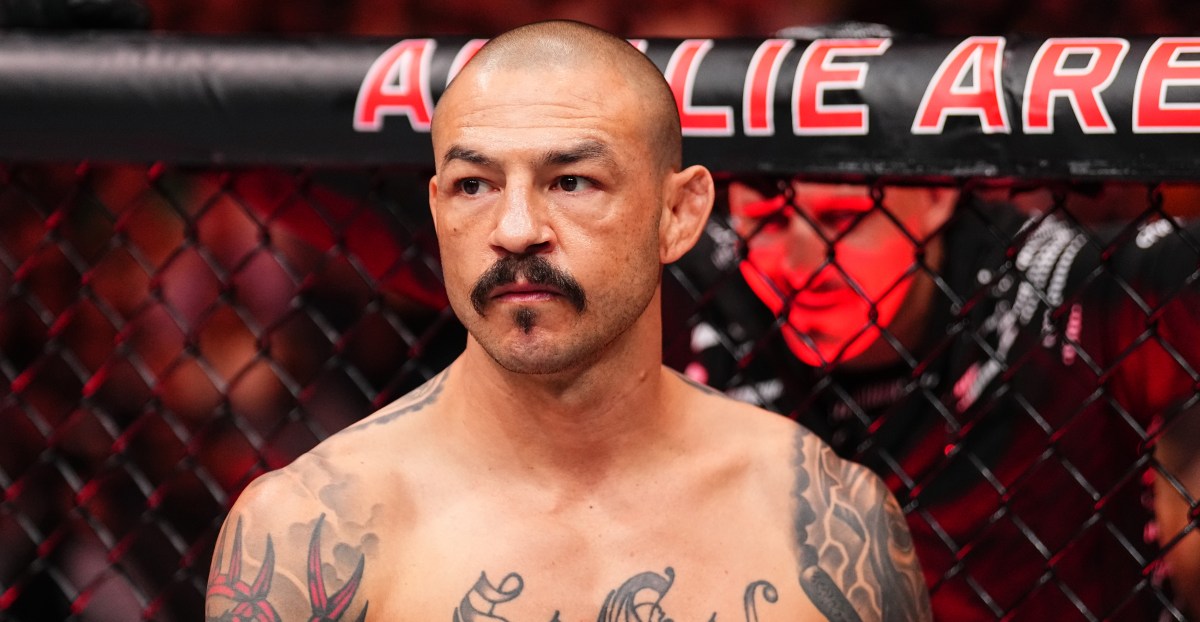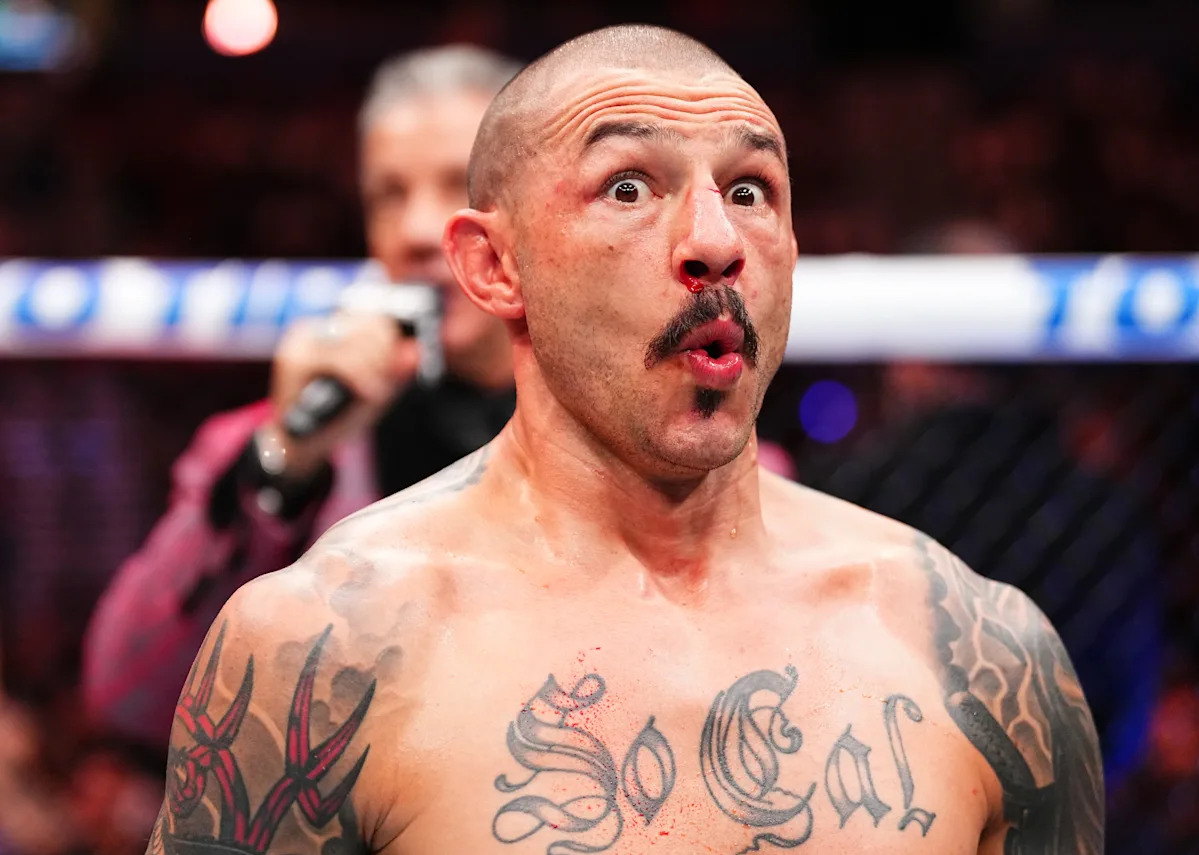
UFC 327 at Miami’s Kaseya Center serves as a definitive institutional milestone: the formal conclusion of the World Extreme Cagefighting (WEC) lineage within the modern roster. Cub Swanson’s retirement bout against Nate Landwehr represents the sunset of the 2010 Zuffa merger, a pivotal expansion that integrated the lighter weight classes into the global mainstream. Beyond the narrative of a final walk, this fixture highlights the UFC’s sophisticated management of legacy assets and broadcast logistics.
Institutional Continuity and the Performance-Based Economy
At 42, Swanson is an anomaly in the featherweight division, where physiological markers like reaction time and fast-twitch explosive capacity typically degrade by the mid-thirties. His longevity is a case study in training evolution, maintaining a top-tier competitive standing nearly fifteen years after the merger. His 2016 encounter with Choi Doo-ho remains the primary benchmark for the promotion’s performance-based incentive structure, establishing a high-volume striking blueprint that continues to drive the division’s commercial appeal.
Strategically, the UFC’s decision to position Swanson vs. Landwehr as the Paramount+ main card opener reflects a shift in broadcast priorities. By utilizing a high-equity veteran with established brand recognition, the promotion secures a stable viewership lead-in for streaming partners. This tactical placement leverages ‘appointment viewing’ to mitigate audience churn during the transition from preliminary bouts to the primary broadcast window.
The Role of Elite Coaching and Strategic Mentorship
The trajectory of Swanson’s exit was calibrated through the MMA coaching hierarchy. Validation from technical authorities like Ray Longo and the late Duke Roufus provided the objective framework necessary to transition from active competition. Roufus’s final tactical contributions underscore the influence of elite mentorship in balancing an athlete’s drive for a ‘fairy tale ending’ against the physical risks of diminishing returns. This professionalization of the retirement process indicates a maturing industry where exit strategies are as curated as entry-level prospects.
Furthermore, the promotion’s direct communication with Swanson’s family suggests a ‘soft-power’ negotiation style. By bypassing traditional management channels to signal their desire for a legacy bout, the UFC demonstrates a personalized approach to talent retention for athletes who serve as historical brand ambassadors. This strategy ensures that high-value veterans exit the organization on positive terms, preserving the archival value of their careers for subscription-based content libraries.
Economic Logic: Reliability vs. Volatility
The financial framing of UFC 327 contrasts Swanson’s reliability with the operational volatility of outliers like Conor McGregor. While superstars provide periodic revenue spikes, they often introduce negotiation deadlocks. In contrast, veterans like Swanson provide a dependable, high-quality product that fulfills contractual obligations with broadcast partners without significant financial friction. This dual-track strategy—chasing pay-per-view anomalies while maintaining a backbone of high-action veterans—remains the UFC’s core economic engine.
For Nate Landwehr, the bout is a critical market correction. Entering on a two-fight losing streak, Landwehr faces a high-stakes crossroads: a victory over a Hall of Fame-caliber veteran restores his professional viability, while a loss potentially relegates him to the roster’s secondary tier. This ‘gatekeeper’ dynamic is essential for ranking liquidity, allowing the promotion to objectively measure the ceiling of its mid-tier athletes.
Tactical Matchup and Narrative Synthesis
Tactically, the bout features a clash between Swanson’s ‘slick’ technical boxing and Landwehr’s high-variance pressure. Swanson’s late-career efficacy has relied on precise counter-striking and unorthodox angles, as evidenced by his recent knockout of Billy Quarantillo. Landwehr’s operational necessity is to force a physical struggle, moving away from the technical exchanges where Swanson’s veteran experience offers a distinct advantage.
With the delay of high-profile matchups like Van vs. Taira, the promotional focus has shifted to Swanson’s exit to maintain the event’s perceived value. His departure leaves a leadership void in the featherweight division, ending an era of athletes who bridged the gap between the ‘blue-cage’ intensity of the WEC and the data-driven environment of the modern Octagon. UFC 327 is not just a retirement; it is the final formal dissolution of an independent identity that helped build the promotion’s foundational lighter classes.