UCLA vs. Oklahoma State: Strategic Analysis of NCAA Second Round Showdown
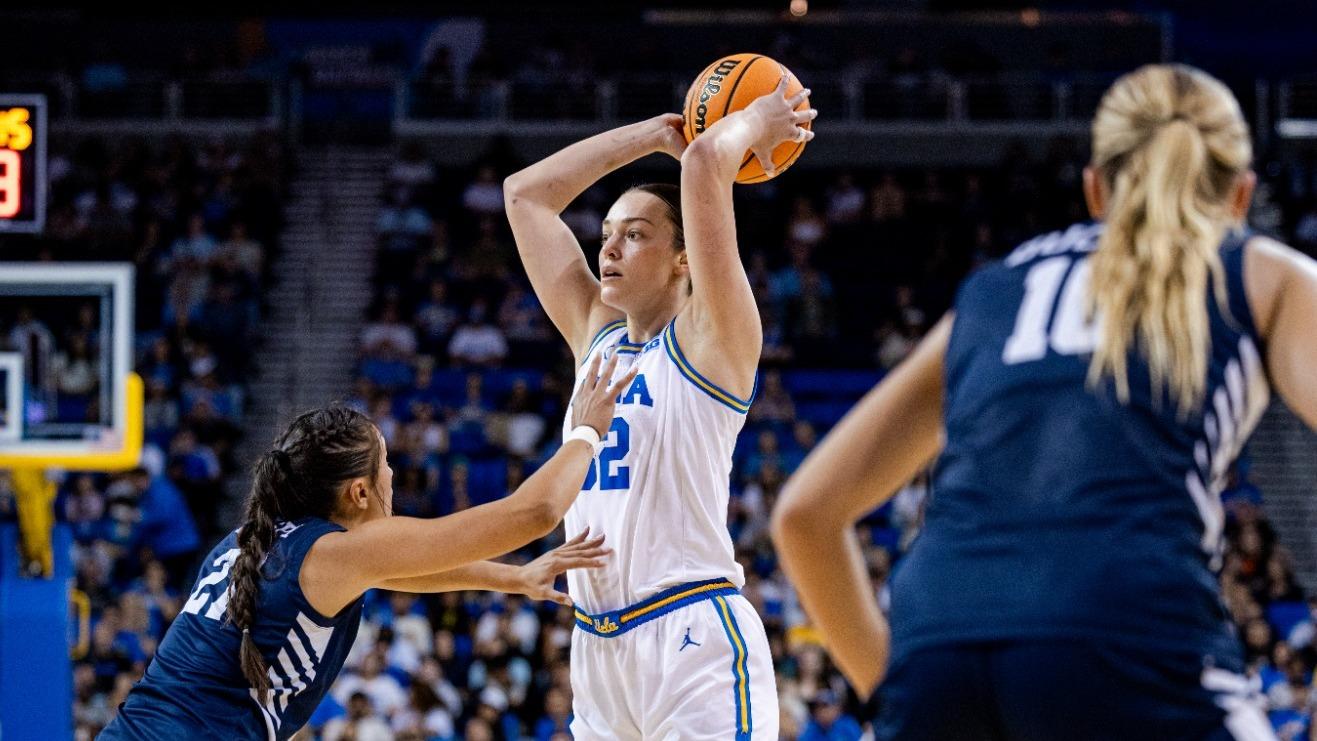
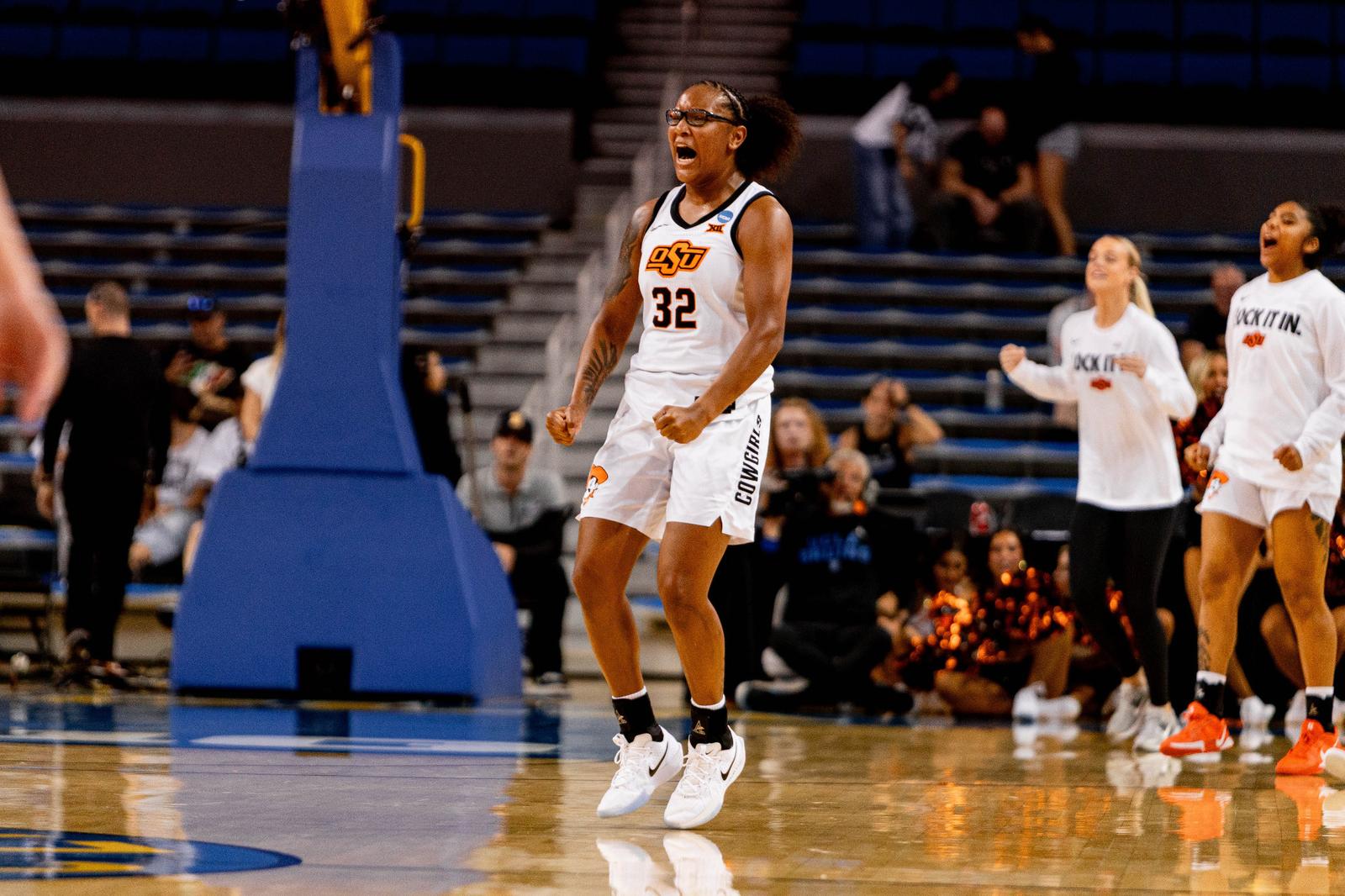
The University of California, Los Angeles (UCLA) Bruins, holding the No. 1 seed in the tournament, are set to host the Oklahoma State University (OSU) Cowgirls in the Second Round of the 2026 NCAA Division I Women’s Basketball Championship. This contest, scheduled for Monday, March 23, will be played at Pauley Pavilion in Los Angeles, representing the final home game of the season for the Bruins. For both programs, the matchup carries significant weight, as advancement to the Sweet 16 serves as a critical benchmark for institutional success in collegiate athletics and validates strategic investments in the women’s basketball program.
Program Trajectories and Tournament Stakes
UCLA enters the game with a commanding 32-1 record, a reflection of consistent high performance that secured their top seeding and validates the program’s status as a national powerhouse. The Bruins are pursuing a fourth consecutive appearance in the Sweet 16, a streak that underscores sustained operational excellence. For a No. 1 seed, advancing through the initial rounds is not just about competitive success but also about mitigating significant institutional risk, as an early exit would be viewed as a strategic failure impacting future recruiting cycles and program prestige.
Oklahoma State, entering as the No. 8 seed with a 24-9 record, presents a significant challenge to the higher-ranked Bruins, focusing on a strategic capacity for upsets. Head coach Jacie Hoyt’s tenure at OSU has demonstrated this focus, evidenced by 10 wins against AP Top 25 opponents. This ability to perform against top-tier competition suggests a strategic emphasis on high-leverage matchups and a program capable of disrupting established tournament hierarchies. Furthermore, the Cowgirls’ consistent use of the same starting lineup throughout the season suggests a reliance on developing specific player chemistry and executing a well-defined system, which can provide a competitive advantage against teams that rely more heavily on rotational depth or individual talent.
Institutional Leverage and Competitive Dynamics
The historical context of the matchup further informs the strategic dynamics. While UCLA holds a 2-1 series advantage, Oklahoma State’s previous victory against a ranked Bruins team in 2017 demonstrates their potential to overcome a talent disparity. This history suggests the Cowgirls possess a strategic blueprint for challenging UCLA, potentially leveraging their consistent lineup and experience in high-stakes games to disrupt the Bruins’ rhythm and exploit potential vulnerabilities. The game’s location at Pauley Pavilion provides UCLA with a critical home-court advantage, which can significantly influence performance in high-stakes tournament play and provides a direct revenue stream through ticket sales.
The broadcast details for the game, including coverage on ESPN, highlight the significant market exposure generated by the NCAA tournament. For both institutions, this level of national visibility serves as a powerful recruiting tool, allowing them to showcase their programs to prospective student-athletes. For the winner, advancing to the Sweet 16 provides a significant boost to program visibility, which in turn supports fundraising efforts and enhances the overall value proposition of the athletics department. For the No. 1 seed UCLA, an early exit would negate a season’s worth of performance validation, while an upset victory for Oklahoma State would provide substantial competitive leverage, elevating the program’s national standing and validating its strategic investments in coaching and player development.