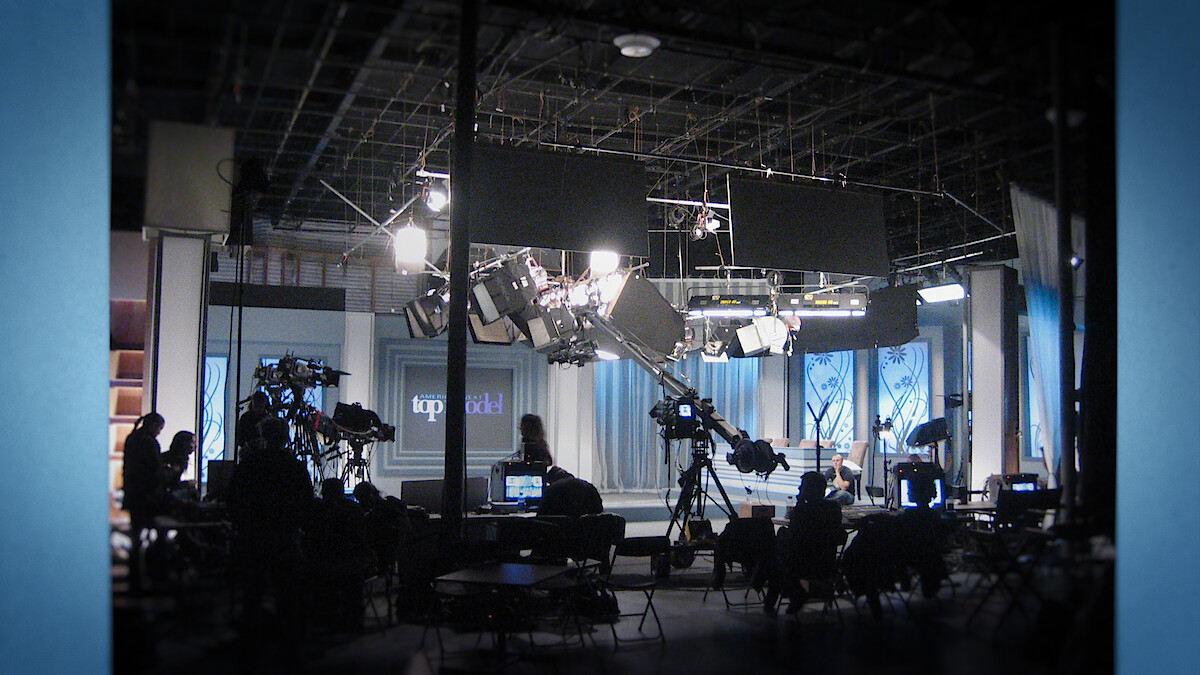
The debut of the three-part docuseries, Reality Check: Inside America’s Next Top Model, catalyzes a critical re-evaluation of early 2000s reality television, centering on the contested legacy of Tyra Banks’s creation and stewardship of the franchise.
Spanning 24 cycles, the series achieved massive global penetration (exceeding 100 million peak viewers) and defined cultural milestones like the term ‘smize.’ However, its production methodologies are now intensely scrutinized under modern ethical frameworks, primarily concerning competitive pressures and documented instances of psychological critique applied to young contestants.
Narrative Agency Through Concession: Banks’s Strategic Re-entry
Banks’s decision to engage, her most substantive commentary since the franchise concluded in 2018, signals a deliberate move to reclaim narrative authority over a deeply influential but controversial intellectual property.
Director Daniel Sivan confirmed Banks possessed zero creative control over the final edit, framing her participation as a non-curated ‘vulnerability’ rather than a controlled PR maneuver. This structural concession positions her reflection as a direct response to contestant testimony, suggesting an institutional awareness that the historical record required counter-contextualization from the creator.
Incentives for Accountability and Legacy Mitigation
Banks’s reported emotional response during interviews moves the discourse from operational review to personal accountability. The directors’ stated aim—to incite viewer anger—strategically positions Banks as a confrontational figure, potentially mitigating long-term reputational risk by preempting future external critiques.
Her engagement, alongside key operational figures (J Alexander, Jay Manuel, Nigel Barker, Ken Mok), shifts the dynamic from unilateral authority to a shared, complex historical accounting, contextualizing executive decisions within the show’s demanding 15-year production cycle.
The Scalable Model and Ethical Cost of Conflict Monetization
ANTM proved a highly successful, scalable content model that prioritized manufactured high-stakes moments. The current critique interrogates whether this disruption merely substituted established fashion industry rigidity with a manufactured, television-centric set of rigid standards.
The core tension exposed is the monetization of conflict inherent in reality production, wherein participant transformation often necessitates intense psychological pressure. As creator and executive producer, Banks holds ultimate institutional responsibility for establishing this high-risk operational environment.
The Economics of Reappraisal
Netflix’s commissioning of a deep-dive docuseries underscores the substantial economic value in reappraising established IP tied to major cultural figures. This format leverages nostalgia while tapping into contemporary social discourse, driving subscription engagement through controlled controversy.
For Banks, this participation is an investment in managing brand residual value. By facing the chaos, she solidifies the show’s landmark status, potentially increasing the long-term commercial viability of the ANTM format by framing it as a culturally significant, albeit flawed, artifact.
Dynamics of Creator Control Post-Broadcast
The documentary structure itself illustrates the erosion of creator control post-broadcast. Banks, the executive authority during production, required months of negotiation to secure narrative access, demonstrating the limits of ownership versus retrospective interpretation.
The show’s ethos of ‘trying anything’ necessarily fostered an environment with high risk tolerance, leading directly to the operational missteps now scrutinized. The pioneering use of manufactured tension (e.g., extreme makeovers, conflict-driven edits) remains a blueprint for modern unscripted formats.
The Digital Echo Chamber and Lasting Cultural Artifacts
The enduring meme circulation of confrontational moments validates the success of manufactured confrontation in achieving cultural saturation. The docuseries acts as meta-commentary on this production strategy, showing participants reflecting on the permanent consequences of having formative experiences digitized and dissected.
Stakeholder Implications and Future IP Trajectories
The platforming of contestant narratives on Netflix validates their experiences under the rigorous structure, potentially recalibrating their professional brand equity relative to the show’s intensity. Conversely, the industry narrative reinforces the resistance of established fashion structures to fundamental transformation.
The entire production serves as a potent case study in intellectual property management: format ownership does not guarantee perpetual control over cultural interpretation as audience values shift. Banks’s engagement acknowledges that sustained relevance in the digital age demands confronting the perpetually accessible echo chamber of past content.