Tuskegee Coach Benjy Taylor Secures Legal Representation Following Game Incident
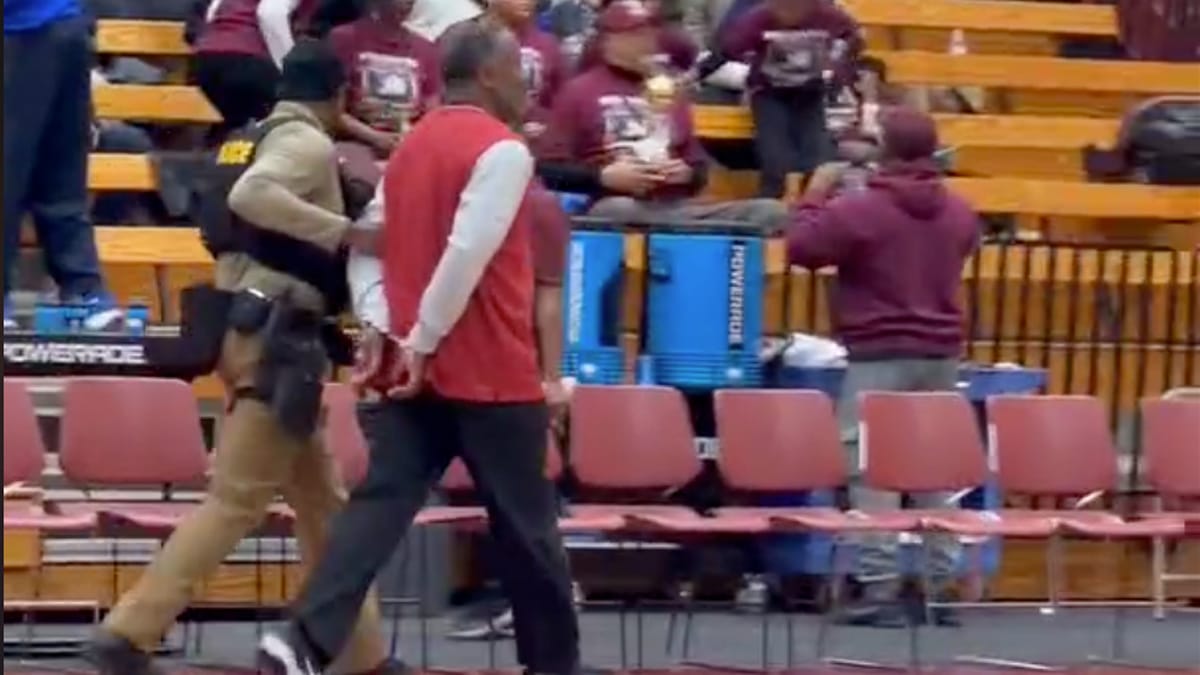
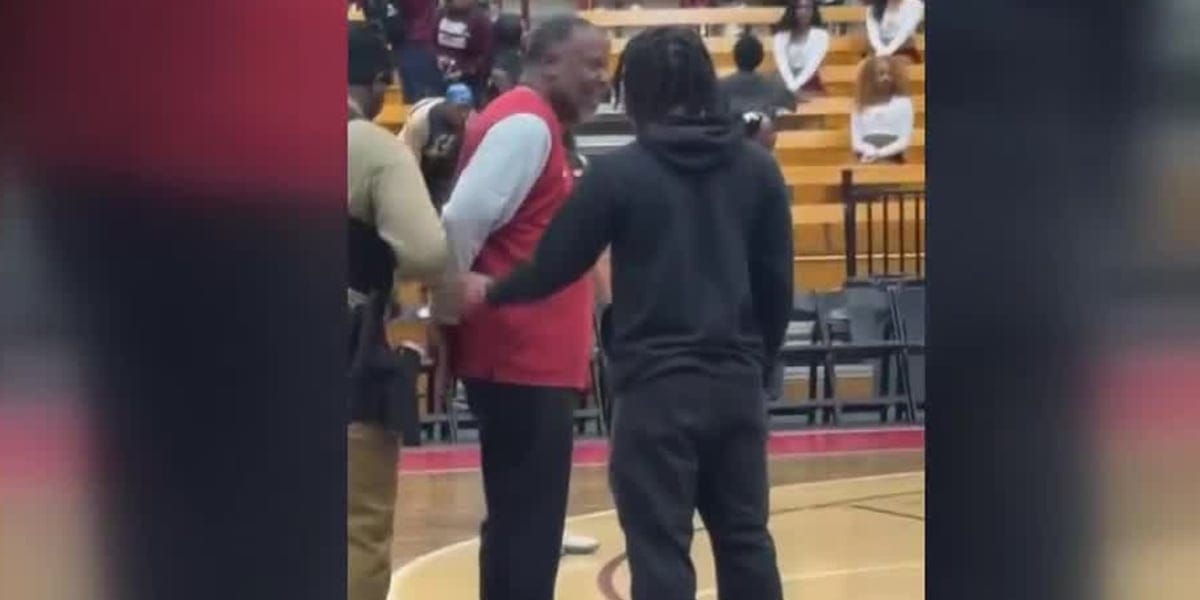
Tuskegee University’s head basketball coach, Benjy Taylor, has retained the services of a prominent civil rights attorney. This decision comes in the wake of an incident that occurred following a rivalry game against Morehouse University, which resulted in Coach Taylor being escorted off the court in handcuffs. The event was captured in a viral video.
Legal Counsel Engaged After Post-Game Altercation
The engagement of a national civil rights attorney by Coach Taylor signals a formal response to the circumstances surrounding his removal from the game. The incident took place after a Division II college basketball game between Tuskegee and Morehouse, a fixture in the Historically Black Colleges and Universities (HBCU) athletic landscape. Details regarding the specific events leading to Coach Taylor’s apprehension have been presented as requiring clarification, prompting his decision to seek legal expertise.
Context of HBCU Rivalries and Athletic Department Oversight
The rivalry between Tuskegee University and Morehouse University is emblematic of the intense athletic competition often found within the HBCU system. These matchups are not merely athletic contests but are often steeped in tradition and institutional pride, fostering significant fan engagement and high stakes for participating student-athletes and coaching staff. The athletic departments of institutions like Tuskegee University operate within a framework of NCAA regulations and institutional policies governing conduct, game management, and disciplinary procedures. When incidents occur that lead to the removal of coaching staff, particularly in such a public manner, it triggers a review of adherence to established protocols and potential violations of institutional or conference rules.
Institutional Response and Due Process in Collegiate Athletics
The decision by Coach Taylor to hire a civil rights attorney suggests a potential challenge to the procedures or justification for his removal. Collegiate athletic programs, including those at the NCAA Division II level, are governed by administrative structures designed to ensure fairness and order. These structures involve athletic directors, university presidents, and conference officials who oversee program integrity. Any disciplinary action against a coach, such as being escorted off the premises or facing more severe penalties, typically involves an internal review process. This process may include investigations into the alleged conduct, opportunities for the individual to respond, and adherence to due process principles that are foundational to institutional administration. The involvement of a civil rights attorney indicates a belief that these principles may have been compromised.
The Role of Legal Counsel in Sports Administration Incidents
The engagement of legal counsel, particularly counsel specializing in civil rights, points to a potential concern regarding the nature of the interaction that led to the handcuffing. Civil rights law often addresses issues of due process, equal protection, and the appropriate use of authority by law enforcement or institutional personnel. In the context of a university-affiliated sporting event, such concerns could relate to how Coach Taylor was treated, whether proper procedures were followed by event security or authorities, and if his rights were respected during the incident. Athletic organizations and universities are increasingly aware of the reputational and legal ramifications of on-field or on-court incidents, especially those involving allegations of misconduct or improper handling of personnel.
Significance of the Incident within the Collegiate Sports Landscape
The occurrence at the Tuskegee-Morehouse game brings into focus the broader dynamics of collegiate sports, particularly within the HBCU community. These institutions often navigate unique challenges related to funding, resource allocation, and public perception, making positive athletic outcomes and strong institutional representation crucial. Incidents that involve disciplinary actions against prominent figures like a head coach can have a ripple effect, impacting team morale, recruitment efforts, and the institution’s standing within the athletic conference and the wider public sphere. The involvement of legal representation elevates the situation beyond a typical internal disciplinary matter, suggesting a more significant dispute over the handling of the event and its aftermath.
Media Scrutiny and Public Perception Management
The viral nature of the video documenting Coach Taylor’s removal has amplified public attention on the matter. In today’s digital age, incidents captured on camera can rapidly disseminate, influencing public opinion and institutional reputation before formal investigations are complete. Universities and their athletic departments must often manage public perception alongside internal processes. The hiring of a lawyer by Coach Taylor also signals an intent to engage with the narrative being presented to the public and to ensure his perspective is formally represented. This is a standard strategic consideration for individuals facing public scrutiny, particularly when the circumstances involve potential claims of rights violations or procedural irregularities.