
Jurisdictional Alignment and Federal Intervention
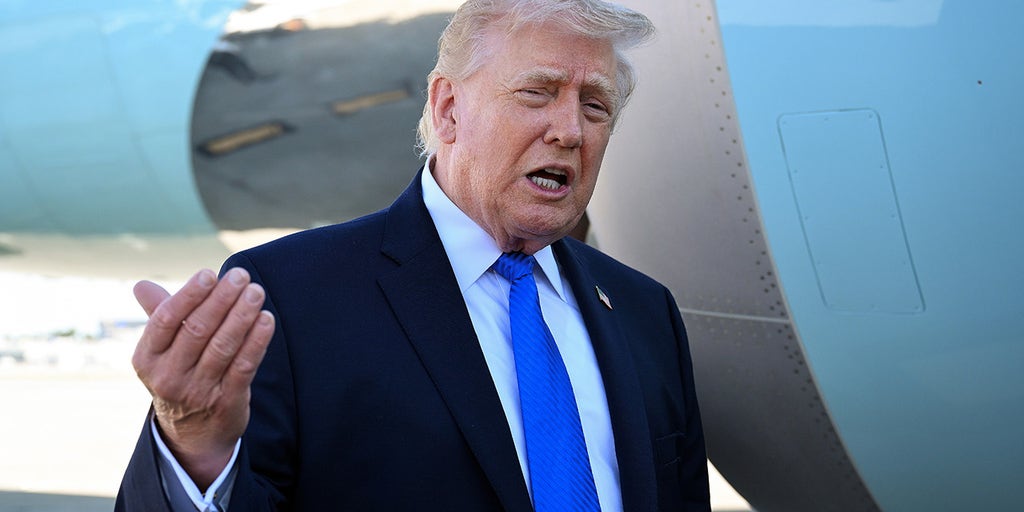
President Donald Trump’s visit to Memphis underscores a pivot toward intensified federal oversight in municipal law enforcement. Central to this strategy is the Memphis Safe Task Force, an initiative that exemplifies a ‘cooperative federalism’ model. By integrating federal assets into local jurisdictions, the administration seeks to override logistical bottlenecks that frequently hinder municipal police departments, effectively recalibrating the balance of power between local governance and national security mandates.
Operational Efficacy: The 75% Reduction Benchmark
During a strategic roundtable at Memphis International Airport, executive focus shifted to performance metrics. The administration reported a 75% reduction in localized crime, a figure that serves as both a political validator and a technical benchmark. This sharp statistical decline suggests that the rapid-response capabilities of the Task Force, facilitated by the airport’s logistical proximity, have achieved a high level of operational efficiency. This data-driven approach aims to establish a repeatable framework for federal intervention in other high-priority urban centers facing systemic safety challenges.
Cultural Narrative and Strategic Iconography
The transition from a technical safety briefing to a 1:40 PM visit to Graceland represents a sophisticated use of executive presence. By framing the success of the Memphis Safe Task Force within the context of preserving national heritage, the President utilized cultural diplomacy to humanize administrative outcomes. References to Elvis Presley and Frank Sinatra served to anchor law enforcement successes into a broader narrative of American restoration, suggesting that municipal safety is a prerequisite for cultural and historical preservation.
Macro-Policy Implications for Urban Governance
The Memphis engagement signals a long-term shift in how the White House Regional Press Office and federal agencies coordinate on public safety. The emphasis on ‘systematic removal’ of criminal elements reflects a mandate for high-visibility enforcement that prioritizes immediate, measurable impact over long-term social programming. If these metrics remain sustainable, the Memphis model—characterized by federal-state synergy and cultural messaging—will likely become the standard for future federal grants and task force deployments across the United States.

Photo by geralt on Pixabay.