
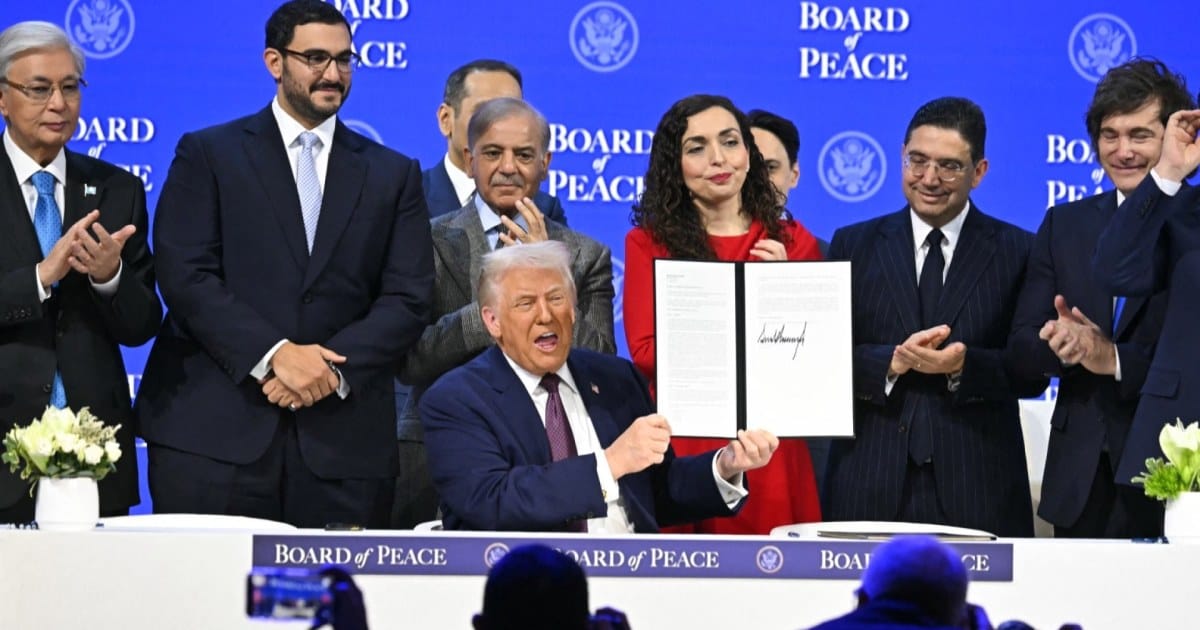
Trump’s ‘Board of Peace’ Initiative Encounters Diplomatic Hurdles
President Donald Trump’s ambitious proposal for a ‘Board of Peace,’ envisioned to wield global influence, is experiencing a lukewarm reception from traditional U.S. allies. Reports indicate that key international partners have declined invitations to join the initiative, signaling a potential challenge to its intended scope and effectiveness.
The ‘Board of Peace,’ as conceptualized by the former president, was presented as a body that would operate on a global scale, aiming to address international conflicts and foster stability. However, the leadership structure, reportedly placing significant authority in the hands of a single individual, appears to be a point of contention.
Why This Matters: Shifting Alliances and Diplomatic Structures
The rejection by key U.S. allies highlights a complex and evolving landscape of international diplomacy. It suggests a divergence in strategic approaches and potentially a questioning of unilateral or narrowly defined leadership models in peace-building efforts.
This development underscores a broader trend of re-evaluating established alliances and the efficacy of multilateral versus bilateral approaches to global challenges. The structure of the proposed board, centered around one individual’s authority, may not align with the collaborative frameworks that many nations prefer for sensitive international negotiations.
The decision by allies not to participate could limit the board’s practical impact and its ability to garner the broad international legitimacy necessary for any significant peace initiative. It raises questions about the future of U.S.-led diplomatic efforts and the willingness of other nations to engage in frameworks that do not meet their established diplomatic protocols or strategic interests.
Broader Trends in Global Governance and Peacekeeping
The concept of a ‘Board of Peace’ led by a single figure is a departure from traditional multilateral peacekeeping and diplomatic bodies, which often involve broad consensus-building and diverse representation. Institutions like the United Nations, while facing their own criticisms, are built on principles of collective action and shared responsibility.
Trump’s proposal seems to favor a more centralized and perhaps transactional approach to foreign policy. This contrasts with the established norms of international relations that emphasize partnership, shared sovereignty, and adherence to international law. The lukewarm response from allies may reflect a preference for these traditional methods.
Furthermore, the very idea of a ‘Board of Peace’ suggests a desire for a novel approach to conflict resolution. However, the success of such an initiative would likely depend on its inclusivity and the buy-in from a wide array of international actors, not just a select few or a singular leader.
Looking Ahead: The Future of the ‘Board of Peace’
The initial reluctance of key allies to join the ‘Board of Peace’ presents a significant hurdle for the initiative. Its ultimate success, or failure, will likely hinge on its ability to adapt, perhaps by incorporating more collaborative structures, or on its capacity to operate effectively with a more limited coalition.
The situation warrants close observation as it may signal shifts in geopolitical alignments and the evolving nature of international diplomacy. The differing perspectives on leadership and collaboration in peace-building will continue to shape global engagement in the years to come.
The reaction from allies also underscores the importance of established diplomatic channels and the trust built over years of cooperation. Any new initiative seeking to replace or supplement these structures will face a high bar for acceptance and legitimacy.