
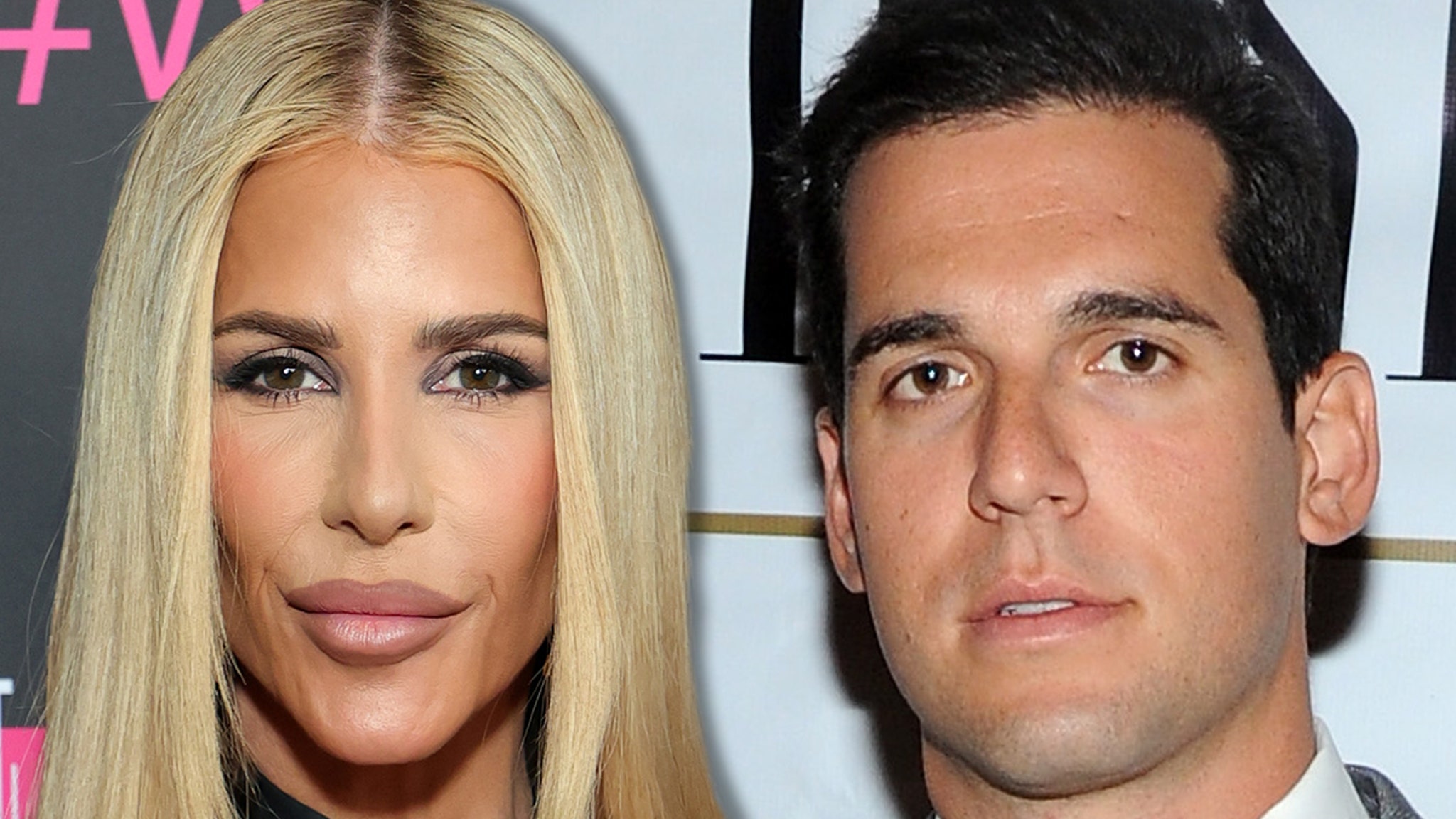
The filing of a civil lawsuit by reality television personality and broker Tracy Tutor against Oren Alexander, a prominent former Douglas Elliman agent, introduces significant legal and reputational volatility into the luxury real estate sector.
Tutor’s core complaint centers on an alleged incident in 2014 in New York City, asserting she was incapacitated after consuming a ‘large, pink cocktail’ during a recruitment dinner, leading to subsequent sexual assault.
Analysis of Power Asymmetry in Elite Brokerage Recruitment
The alleged event’s setting—a recruitment meeting targeting top-tier talent—underscores the inherent power differential present when established industry figures vet potential recruits. Access to elite networks, crucial for success in luxury markets, often relies on interactions where senior agents wield disproportionate leverage.
Tutor frames the incident within a competitive talent acquisition framework, suggesting that the high-value recruitment environment may mask professional vetting with implicit pressures or vulnerability creation, especially concerning substance consumption during networking events.
Oren Alexander’s status as a ‘major player’ at Douglas Elliman at the time amplifies this dynamic, illustrating how a firm’s reliance on high-producing agents can inadvertently permit conduct that exploits recruits’ ambition.
Institutional Liability and Systemic Allegations
While Oren Alexander is the singular defendant in this civil action, Tutor broadens the scope by alleging a decade-long pattern involving his two brothers, Alon and Tal, citing systematic drugging and assault against multiple women.
This narrative of systemic misconduct significantly elevates the potential institutional exposure for Douglas Elliman, the firm contextualizing the initial meeting, and any other brokerage associated with the Alexander brothers over that period.
Crucially, this civil suit runs parallel to an ongoing Manhattan criminal trial against the three brothers for sex trafficking. The civil litigation risks leveraging established facts or testimony from the criminal proceedings to substantiate the pattern underlying the 2014 event.
Operationalizing Allegations of Incapacitation and Assault
The specific claim involving incapacitation via a drink fundamentally shifts the legal framework from a workplace dispute to one involving alleged criminal conduct, dramatically increasing the operational risk profile for any firm linked to the individuals.
The detailed account of discovery—finding Tutor with Oren in a bathroom, allegedly engaging in non-consensual intimate touching—represents an extreme violation exceeding standard professional misconduct.
For brokerages reliant on client trust and reputation in highly competitive markets like NYC and LA, such allegations mandate immediate implementation of rigorous internal review protocols governing agent behavior, particularly during prospect interaction.
Due Diligence Failure in High-Value Talent Acquisition
The facts presented suggest a critical lapse in corporate due diligence during recruitment, particularly when the prospective hire (Alexander) is an established, high-revenue producer whose market value historically may have superseded behavioral scrutiny.
If substantiated, Tutor’s claims about the brothers’ alleged decade-long pattern compel brokerages to re-engineer vetting and monitoring processes for top revenue generators, especially regarding activities outside controlled office environments.
The public profile of both the defendants and the plaintiff amplifies the plaintiff’s leverage, likely pressuring defendants toward settlement to contain reputational fallout across the brokerage ecosystem.
Media Saturation and Brand Equity Erosion
Tutor’s role as an ‘MDLLA’ star guarantees immediate, high-velocity media coverage, immediately framing a private legal conflict within a public narrative about aspirational luxury real estate culture.
This visibility directly devalues the brand equity of the named individuals and the firms that trade on perceived integrity and exclusivity to secure ultra-high-net-worth clients.
The dissonance between curated television success and severe civil/criminal allegations forces stakeholders—investors and competing brokerages—to reassess the risk profile of market participants.
Setting Accountability Precedent
Douglas Elliman’s historical link to the 2014 context requires a strategic institutional response to delineate its current compliance standards from the alleged past conduct of former high-profile associates.
Competitors can exploit this litigation by proactively emphasizing their superior compliance frameworks and agent vetting, turning the legal action into an indirect competitive differentiator for talent acquisition.
The civil outcome will establish a crucial precedent regarding the accountability required of senior agents for alleged misconduct tied to business development, particularly when impairment is alleged.
Interplay Between Civil Damages and Criminal Proceedings
The simultaneous progression of a civil damage suit and the federal sex trafficking trial involving the three brothers creates a complex legal arena where discovery and evidentiary standards overlap.
Testimony or judicial findings from the criminal proceedings in Manhattan could directly shape the civil case strategy, potentially establishing patterns of behavior supporting Tutor’s contextual claims regarding 2014.
Conversely, the civil suit, driven by private restitution incentives, may follow a distinct timeline, creating strategic tension for the defense teams managing dual legal jeopardy under different evidentiary burdens.
Incentives Driving Settlement and Disclosure
Oren Alexander’s incentive in the civil case heavily favors rapid resolution to halt continuous reputational decay and prevent the civil forum from serving as a platform for damaging public testimony against him.
For Tutor, the lawsuit functions as the mechanism for financial recovery while mandating public documentation of her account, utilizing her media profile for leverage.
The defendants’ simultaneous engagement in a high-stakes federal trial may constrain their resources and willingness to mount a robust defense in the civil proceedings.
Analysis of Alleged Enterprise Liability Pattern
Tutor’s assertion that the alleged assault was part of a decade-long pattern involving all three brothers introduces the framework of enterprise liability, shifting the focus from individual culpability to alleged systemic enablement.
This framing seeks to establish a professional culture within their sphere that either facilitated or ignored such alleged predatory activities over an extended period.
If the claims of coordinated action among the brothers are accurate, it implies a calculated leveraging of professional proximity and trust to conduct alleged misconduct, demanding scrutiny of oversight mechanisms in the luxury segments they dominated.
Long-Term Impact on Real Estate Regulatory Culture
This highly visible litigation acts as a critical stress test for the self-regulatory model pervasive in luxury real estate, which often prioritizes informal reputation over formal oversight found in other financial sectors.
The allegations place direct regulatory pressure on industry governing bodies to formally articulate and rigorously enforce codes of conduct addressing predatory behavior during client acquisition and networking.
A significant finding or settlement is likely to catalyze mandatory policy changes across major brokerages concerning training, anonymous reporting infrastructure, and consequence enforcement for high-performing agents breaching ethical lines.
Amplification Effect of Reality Television Status
Tutor’s public profile ensures the lawsuit transcends standard industry reporting, injecting the allegations into a pre-established public narrative familiar to a wide audience.
This heightened public interest pressures the legal system toward serious adjudication, yet simultaneously allows the defense grounds to argue publicity-driven motivation, necessitating meticulous factual substantiation.
Quantifying Career and Reputational Damages
The claim for damages seeks to quantify economic and personal harm stemming from the 2014 incident, which occurred at a sensitive juncture in Tutor’s career progression.
Damage assessment in such cases often incorporates lost opportunity costs related to career advancement, diminished future earning capacity due to reputational harm, and substantial non-economic damages.
The financial exposure for Oren Alexander is directly correlated with the perceived credibility of the timeline and the acceptance by the court of the link between the alleged event and subsequent professional setbacks.
Structural Vulnerabilities in High-Value Business Development
The deliberate structure of the recruitment—inviting a candidate from LA to meet ‘top stars’ in NYC—exposes the risk inherent when networking environments are curated to impress and integrate, often leading to diminished oversight.
The reliance on informal settings for crucial development decisions bypasses standard HR supervision, leaving individuals dependent on the perceived good conduct of key industry figures.
This necessitates enforcing formal professional standards explicitly within ostensibly social contexts tied to career advancement, a difficult transition for relationship-driven industries.
Market Trust and The Need for Institutional Review
The litigation’s resolution will critically influence prospective agents’ and clients’ trust in the informal governance structures dominating high-tier luxury real estate.
A failure to enforce accountability for powerful figures risks deepening market cynicism, potentially driving talent toward brokerage models emphasizing transparent, institutional governance.
The documented facts serve as a stark warning regarding operational risks when significant financial success is concentrated in individuals whose conduct is insulated from independent, rigorous institutional review.

Photo by Michelle_Pitzel on Pixabay.