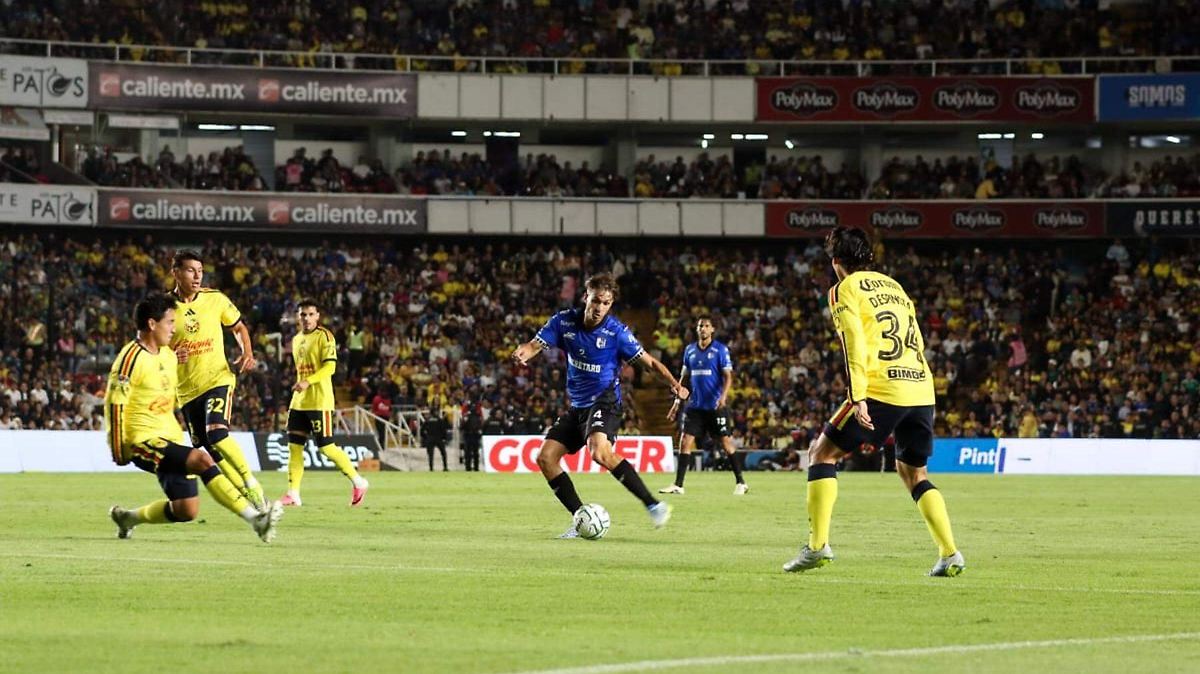
The abrupt resignation of Guido Pizarro as technical lead has exposed a profound fissure in the sporting-administrative synergy of Tigres UANL. This departure, rooted in a strategic misalignment with the board, signals a collapse of the club’s long-term developmental project just two matches into the Apertura 2026 campaign. The friction between the technical vision for squad optimization and the executive board’s administrative priorities has plunged the institution into a state of operational vulnerability.
The appointment of Hernán Elizondo (U-21) and Carlos Turrubiates (U-19) as an interim solution reflects a reactive stabilization strategy. While leveraging internal youth infrastructure mitigates immediate recruitment pressure, it introduces significant tactical regression risks. Managing a high-market-value roster requires specialized senior-level experience; the transition to youth-tier coaches threatens to exacerbate the performance volatility that saw Tigres secure only one point from their opening fixtures.
Market Valuation and Competitive Degradation
Currently languishing in 15th place, Tigres’ sporting output is incongruent with its status as a premier financial entity in Liga MX. The defensive fragility evidenced in the loss to Tijuana and the draw against San Luis suggests a systemic failure in late-game management. Prolonged interim leadership poses a dual threat: the devaluation of the club’s competitive standing and a decline in brand perception among international stakeholders and corporate sponsors.
The upcoming fixture at Estadio Corregidora is no longer a standard league match but a mandatory corrective measure. For a club defined by capital intensive investment, failure to arrest this decline will intensify fan hostility, which already reached a tipping point at the Volcán. The interim staff faces a paradox: they must deliver immediate results to pacify the supporter base while operating without the contractual authority to implement long-term structural changes.
Strategic Divergence: Querétaro’s Resurgence
While Tigres navigates organizational disarray, Querétaro enters Matchday 3 with optimized psychological momentum. Esteban González has successfully engineered a resilient tactical identity, exemplified by their 2-1 comeback victory against Pachuca. The emergence of Alí Ávila as a high-leverage offensive asset provides the Gallos Blancos with a clear focal point for attacking transitions, specifically targeting a Tigres backline that has conceded five goals in 180 minutes.
Querétaro’s 12th-place standing offers a platform for upward mobility. By exploiting the leadership vacuum in San Nicolás de los Garza, the Gallos Blancos can capitalize on the tactical hesitation inherent in managerless squads. The matchup will likely be decided by Querétaro’s ability to maintain defensive discipline against Tigres’ individual talents, who may revert to uncoordinated, isolation-based playstyles in the absence of a cohesive technical project.
Institutional Governance and Long-Term Recovery
The Pizarro exit serves as a cautionary case study on the necessity of board-staff alignment. The executive leadership now faces intense scrutiny; their ability to identify a permanent successor who harmonizes with the club’s commercial and sporting mandates will dictate the trajectory of the 2026 season. Any delay in establishing a definitive technical direction risks transforming a temporary slump into a season-defining structural failure, potentially excluding the club from primary playoff zones.