
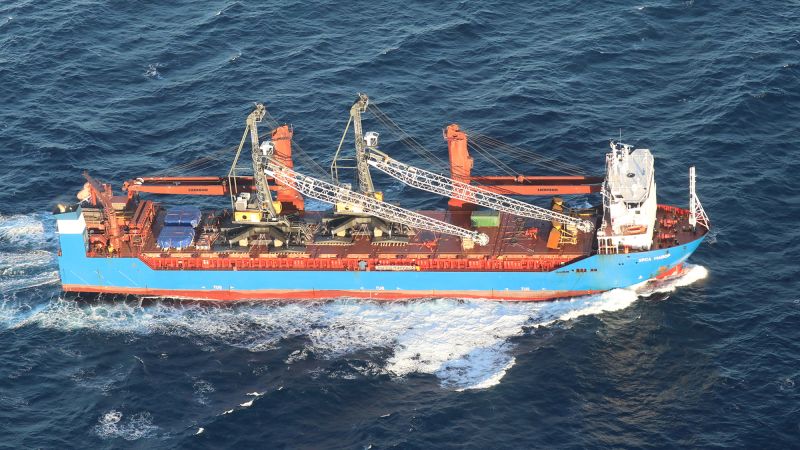
Mediterranean Interdiction and the Shadow Fleet Crisis
The sinking of the Russian cargo vessel Ursa Major on December 23, 2024, represents a sophisticated inflection point in the clandestine maritime struggle between Moscow and Western intelligence. Positioned 60 miles off the Spanish coast, the vessel operated within the ‘shadow fleet’ framework—a decentralized network designed to bypass international sanctions and monitoring. The precision-timed explosions that led to its submersion suggest a targeted disruption of a high-value logistics chain linking Russian defense manufacturing with pariah state partners.
This incident exposes the vulnerability of utilizing civilian-flagged vessels for state-level proliferation. By attempting to exploit the legal protections of commercial shipping in the Mediterranean—a high-density transit corridor for NATO maritime situational awareness—Moscow undertook a calculated risk that resulted in total loss. The sinking serves as a potent deterrent signal: anonymity is no longer a guarantee of safe passage for clandestine operators in contested international waters.
Strategic Impact of Submarine Nuclear Reactor Transfers
The reported presence of two submarine nuclear reactors aboard the Ursa Major indicates a massive escalation in the technical assistance Russia is extending to North Korea (DPRK). Submarine-grade reactors are the primary technological bottleneck for Pyongyang in its quest for a long-endurance, sea-based nuclear deterrent. Such technology would facilitate a transition from short-range conventional vessels to a fleet capable of sustained, undetected underwater operations.
For the DPRK, these units are essential for achieving a survivable second-strike capability. This transfer suggests that the Putin-Kim partnership has evolved into a deep structural alliance, with Moscow dismantling long-standing non-proliferation norms for immediate tactical advantages in Ukraine. The loss of this hardware likely delays the DPRK’s nuclear submarine timeline by years, as these units cannot be easily replicated under current Russian industrial constraints.
Kinetic Intervention and Deniable Confrontation
The circumstances of the sinking—characterized by localized, unexplained explosions—point to a kinetic intervention by Western military or intelligence assets. This high-stakes operation allowed for the neutralization of the cargo while avoiding the legal complexities and diplomatic fallout of a traditional boarding or seizure. Acting in international waters within the reach of European security assets reflects a strategic choice to ensure immediate ‘denial of technology’ while minimizing collateral environmental or political damage.
The decision to act indicates that intelligence regarding the vessel’s manifest was high-confidence and time-sensitive. The risk of the reactors reaching North Korea was evidently deemed greater than the risk of a direct, albeit deniable, confrontation with Russian assets. This sets a significant precedent for how high-end military technology shipments may be handled when they threaten regional or global stability.
Radiological Monitoring and Forensic Surveillance
The subsequent deployment of US nuclear ‘sniffer’ aircraft over the wreckage confirms the radiological stakes. These specialized assets detect atmospheric isotopes, providing definitive proof of the vessel’s cargo. The repeated nature of these flights suggests an ongoing need to verify the integrity of the wreckage and ensure that the nuclear materials on the seabed remain contained and secure.
Furthermore, this persistent surveillance complicates any Russian attempts at recovery. High-altitude monitoring allows Western powers to maintain a ‘eyes-on’ presence without a permanent naval surface task force, ensuring that any tampering or leakage at the site is detected instantaneously. This operational transparency keeps the Kremlin under constant international pressure.
The Russian Response: Site Sanitization Tactics
The arrival of a suspected Russian spy ship one week post-sinking, followed by secondary explosions, points to a desperate ‘scorched earth’ policy on the seabed. Moscow likely sought to destroy identifiable reactor components to prevent Western recovery and forensic analysis. This reactive use of underwater demolitions in NATO-patrolled waters demonstrates Russian capability but serves as a tacit admission of mission failure.
These actions create a complex forensic challenge for Spanish and international observers. By obfuscating the nature of the wreckage, Russia employs standard hybrid warfare tactics to create enough ambiguity to prevent a unified international legal response. However, the destruction of their own high-value assets highlights the extreme priority placed on maintaining the secrecy of their nuclear designs.
Geopolitical Quid Pro Quo: Troops for Technology
The Ursa Major’s departure followed North Korea’s deployment of thousands of troops to the Ukrainian front, providing a clear context of ‘quid pro quo.’ Submarine nuclear technology is one of the few assets Moscow possesses that satisfies Pyongyang’s demands for such a significant military contribution. This exchange signals the erosion of the global non-proliferation regime in favor of immediate battlefield manpower.
The failure of this mission leaves the Kremlin in a precarious position regarding its obligations to Kim Jong Un. If these reactors were the promised payment, their loss creates a strategic deficit in the bilateral agreement. This could lead to even more desperate technology transfers in the future as Moscow struggles to sustain the flow of North Korean support for its war effort.
European Security and Environmental Implications
The Spanish government’s cautious response reflects the diplomatic sensitivity of having nuclear-related explosions occurring 60 miles off its coast. This incident highlights how the war in Ukraine and its associated proliferation risks have expanded into the Mediterranean. European coastal states must now adopt a more active role in maritime interdiction and coordination with intelligence agencies to prevent future illicit transits.
The long-term environmental monitoring of the site is now a necessity for the European Union. While the reactors were built for extreme conditions, the damage from multiple explosions and deep-sea pressure could eventually lead to containment failure. The site now represents both a security hazard and a potential radiological threat in a vital ecological and economic zone.
Institutional Consequences and Future Maritime Law
The Ursa Major sinking is a symptom of the collapse of international non-proliferation institutions. Russia’s actions directly violate the spirit of UN Security Council resolutions, undermining the authority of the IAEA. The Western response—kinetic interdiction over diplomatic protest—signals a shift toward ‘counter-proliferation by force’ as traditional diplomatic tools lose efficacy.
Ultimately, this incident may lead to a tightening of maritime laws regarding ‘shadow fleet’ ownership and cargo transparency. Western powers will likely use this event to demand greater accountability in commercial shipping, aiming to make key waterways too ‘bright’ for clandestine operations. The ‘ghost ship’ strategy is becoming increasingly untenable as surveillance and interdiction capabilities continue to outpace the methods used by those conducting illicit trade.

Photo by spirit111 on Pixabay.