The premiere of The Traitors: New Blood signals a fundamental shift in NBCUniversal’s portfolio strategy, pivoting the Emmy-winning franchise from a celebrity-dependent vehicle toward a model of format purity. By reintroducing an all-civilian cast, the network is testing the structural integrity of the social deduction genre, prioritizing raw psychological stakes over the pre-existing brand equity of reality TV veterans. This realignment reflects a broader industry movement toward cost-efficiency and the diversification of talent pools within high-production-value unscripted content.
Format Scalability and the ‘New Blood’ Economic Arbitrage
The transition to a civilian roster for the September 17 premiere is a calculated attempt to lower the barrier to entry for new viewers while maximizing the visceral impact of the game’s $250,000 prize. For the 22 contestants—including professionals such as a funeral director, a dog groomer, and a Major League Baseball analyst—the quarter-million-dollar pot functions as life-altering capital rather than a mere appearance fee. This heightened financial incentive is expected to catalyze more ruthless strategic decision-making, as the opportunity cost of failure is significantly higher for a civilian than for a high-net-worth celebrity.
Furthermore, the logistical efficiency of drawing from over 60,000 applicants allows NBCUniversal to curate a cast with high cognitive diversity without the overhead of talent agency negotiations or complex celebrity scheduling. This volume of interest underscores the franchise’s cultural penetration, proving that the brand itself is now the primary draw, rather than the individuals participating in it.
Dual-Platform Distribution: Linear Reach and Streaming Retention
NBC’s decision to debut the two-hour premiere on its linear network at 8 p.m. EDT before moving subsequent installments to Peacock illustrates a sophisticated distribution funnel. This strategy leverages the broad reach of traditional broadcast to maximize initial viewership, effectively functioning as a mass-market acquisition tool for the streaming service. By positioning New Blood as a cornerstone of the fall lineup, the network signals high institutional confidence in the civilian format’s ability to drive sustained digital engagement and subscription retention.
Professional Social Capital and Reputation Risk
Unlike reality veterans who view public perception as a flexible asset, the New Blood contestants face tangible real-world reputational risks. The inclusion of two lawyers and analytical professionals introduces a layer of cognitive rigor to the Scottish Highlands. These players must navigate the ‘Traitor’ label while considering the downstream effects on their actual professional credibility. This creates an unscripted layer of consequence, where the game’s deception mechanics intersect with the participants’ real-world status, potentially leading to more cautious—or conversely, more desperate—gameplay than seen in celebrity iterations.
Conclusion: Establishing the Prestige Civilian Standard
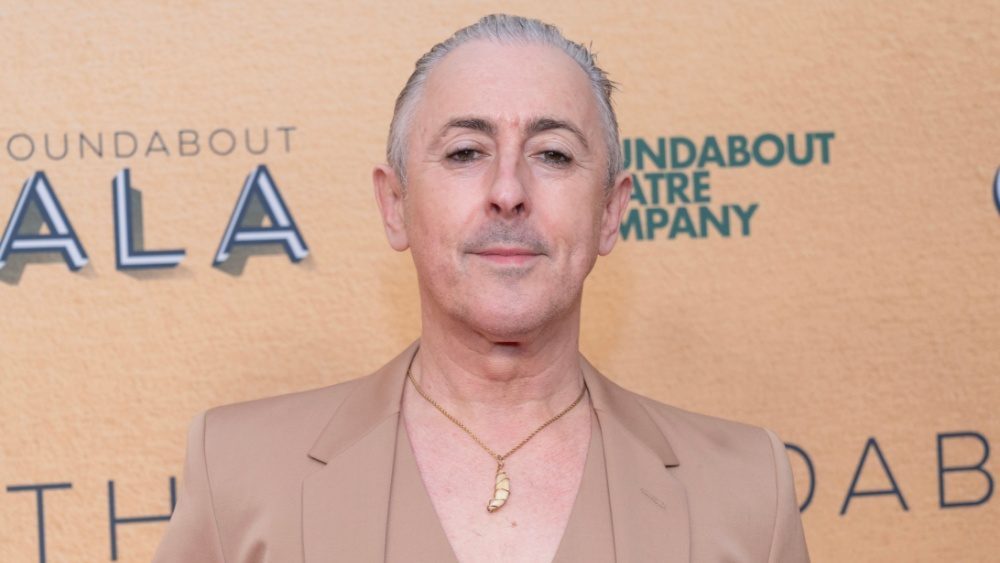
By maintaining the high-production values of the Scottish castle and the stabilizing presence of host Alan Cumming, NBCUniversal ensures that the ‘civilian’ shift does not equate to a ‘budget’ shift. Instead, The Traitors: New Blood serves as a stress test for the franchise’s longevity. If the civilian format can replicate the engagement metrics of the celebrity-led seasons, it will provide a blueprint for a more sustainable, year-round production cycle that alternates between high-profile ‘All-Star’ casts and high-stakes civilian experiments.