
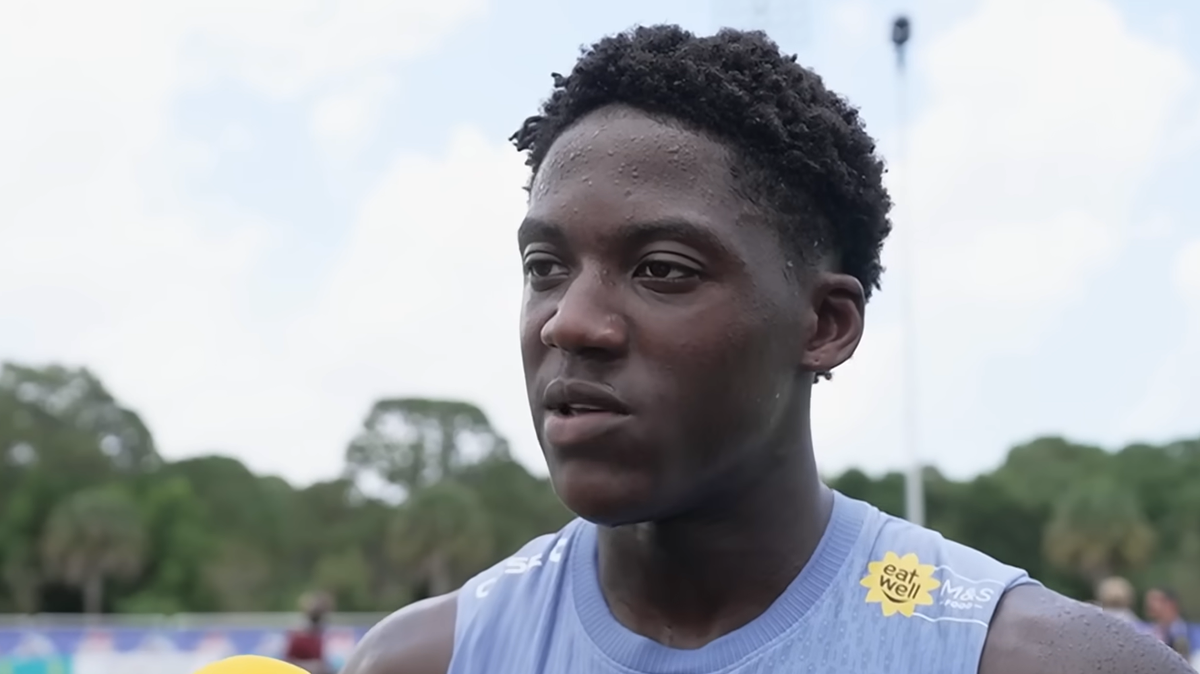
The structural volatility of elite football is rarely demonstrated as clearly as in the rapid devaluation and subsequent rehabilitation of Manchester United midfielder Kobbie Mainoo. Within a twelve-month window, the twenty-one-year-old transitioned from an instrumental figure in England’s Euro 2024 campaign to a marginalized squad member, before ultimately securing a place in the 2026 World Cup squad. This dramatic trajectory highlights the profound impact that managerial philosophy and tactical alignment have on player valuation, squad harmony, and international prospects.
Under the tenure of Ruben Amorim, Manchester United faced significant operational friction as the manager struggled to integrate Mainoo into his tactical framework. The forty-one-year-old Portuguese manager experimented extensively with the young midfielder, deploying him in unfamiliar roles that failed to leverage his core strengths. This tactical experimentation culminated in highly disruptive decisions, including playing Mainoo as a forward during a home defeat to Crystal Palace, which severely exposed the player to systemic inefficiency.
The operational disconnect under Amorim was further compounded by his decision to pit Mainoo against club captain Bruno Fernandes for minutes in a deeper midfield role. This internal competition effectively sidelined the academy graduate, preventing him from establishing any positional continuity or competitive rhythm. Consequently, Mainoo did not start a single Premier League fixture during the first half of the season, representing a massive underutilization of a key sporting asset.
The Financial and Asset-Protection Implications of the Five-Year Contract
From an institutional perspective, the marginalization of homegrown talent represents a severe threat to a club’s balance sheet and long-term financial planning. Homegrown players carry zero amortization costs on the club’s ledger, meaning their development and retention yield maximum accounting profit and squad value. Had Amorim remained in charge at Old Trafford, Mainoo would have been forced to seek a departure from his boyhood club, a scenario that would have resulted in a catastrophic loss of asset value for Manchester United.
To mitigate this risk and secure their long-term sporting capital, the Manchester United hierarchy acted decisively following Amorim’s departure by securing Mainoo to a new five-year contract. This contract extension serves as a vital asset-protection mechanism, safeguarding the club’s financial interests and deterring potential suitors in the global transfer market. By committing the midfielder to a long-term deal, the club has re-established its leverage and ensured that any future valuation of the player remains firmly under its control.
The decision to reward Mainoo with an extended contract also reflects a strategic commitment to rebuilding the first-team squad around core academy products. This approach not only preserves the cultural identity of the institution but also provides significant compliance leverage under modern financial fair play and profit and sustainability regulations. Protecting such assets is paramount for clubs seeking to maintain competitive parity while managing strict expenditure limits.
The Carrick Intervention and Midfield Stabilization
The appointment of Michael Carrick as manager marked an immediate tactical pivot that restored structural balance to Manchester United’s midfield. Carrick, drawing on his extensive experience as an elite deep-lying playmaker, immediately recognized the necessity of reinstating Mainoo to the starting lineup. By placing the young midfielder alongside veteran Casemiro, Carrick established a balanced and highly functional midfield partnership that had been conspicuously absent under the previous regime.
The partnership with Casemiro provided Mainoo with the defensive coverage and positional security required to showcase his progressive passing and ball-carrying abilities. This tactical synergy allowed Manchester United to regain control of the central areas of the pitch, stabilizing their defensive transitions and improving their build-up play. The immediate improvement in team performance demonstrated the fallacy of Amorim’s positional experimentation and validated Carrick’s simplified, role-specific approach.
Mainoo’s sparkling form during the second half of the campaign is a direct consequence of this tactical stabilization and the consistent minutes afforded to him by Carrick. The player’s public expression of gratitude toward Carrick highlights the critical role that managerial trust plays in player development and performance leverage. Without Carrick’s immediate intervention and tactical clarity, Mainoo’s career trajectory for both club and country would have remained severely compromised.
Downstream Effects on the National Team and the Tuchel Selection
The ramifications of club-level managerial decisions extend far beyond domestic competition, directly influencing national team selections and international tournament dynamics. Mainoo’s lack of playing time under Amorim had previously caused the England national setup to move on from the midfielder, despite his stellar performances at Euro 2024. This exclusion illustrated how quickly a player’s international standing can deteriorate when sidelined at the club level, regardless of their historical contributions.
However, the rapid resurgence engineered by Carrick caught the attention of newly appointed England manager Thomas Tuchel, who closely monitored Mainoo’s second-half performances. Tuchel’s subsequent decision to select Mainoo for the March international break and the 2026 World Cup squad underscores the high premium placed on in-form, tactically disciplined midfielders. Mainoo’s inclusion in the final twenty-six-player squad represents a remarkable turnaround that would have been mathematically and logistically impossible under the previous club regime.
For England, the availability of a rejuvenated Mainoo provides Tuchel with critical tactical flexibility and tournament experience in the engine room. Having a player who can operate effectively in high-pressure transitions next to defensive anchors gives the national team a structural profile similar to the one that reached the Euro 2024 final. This selection validation reinforces the reality that international success is deeply contingent on the operational stability of key players at their respective clubs.
Institutional Governance and the Risk of Managerial Dogmatism
The conflict between Amorim’s tactical system and Mainoo’s optimal positioning exposes a broader systemic challenge in modern football governance. When clubs appoint managers with highly specific, rigid tactical systems, they risk devaluing existing squad assets that do not fit the prescribed mold. Amorim’s insistence on forcing Mainoo into alternative positions, such as a forward role, serves as a cautionary tale of managerial dogmatism overriding asset optimization.
Football directorates must therefore balance the tactical desires of a first-team manager with the long-term financial and sporting interests of the institution. The decision to terminate Amorim’s tenure in January and appoint Carrick allowed the club to halt the depreciation of its most valuable young asset. This administrative intervention highlights the necessity of robust sporting directors who can identify when a manager’s tactical system is actively destroying squad value.
Ultimately, the stabilization of Kobbie Mainoo’s career serves as a powerful reminder of the delicate equilibrium between talent, tactics, and management. As Manchester United moves forward under a secured long-term contract with the midfielder, the lessons of the past season will likely influence future recruitment and managerial appointments. Ensuring that tactical systems are designed to maximize, rather than suppress, the capabilities of elite academy graduates remains the most sustainable path to sporting and financial success.
Photo by hellobatik on Pixabay.