Political Polarization as Strategic Risk in Cultural Programming
The decision by Israeli-American comedian Modi Rosenfeld to withdraw from the 33rd annual Downtown Seder, following the announcement of New York City Mayor Zohran Mamdani’s attendance, serves as a critical case study in strategic risk assessment for cultural institutions. The incident highlights the complex interplay between identity politics, geopolitical tensions, and brand integrity in highly polarized environments. While intended as a traditional cultural celebration, the event, hosted by entrepreneur Michael Dorf at City Winery, was transformed into a high-stakes political platform by the intersection of high-profile identities and contemporary conflicts.
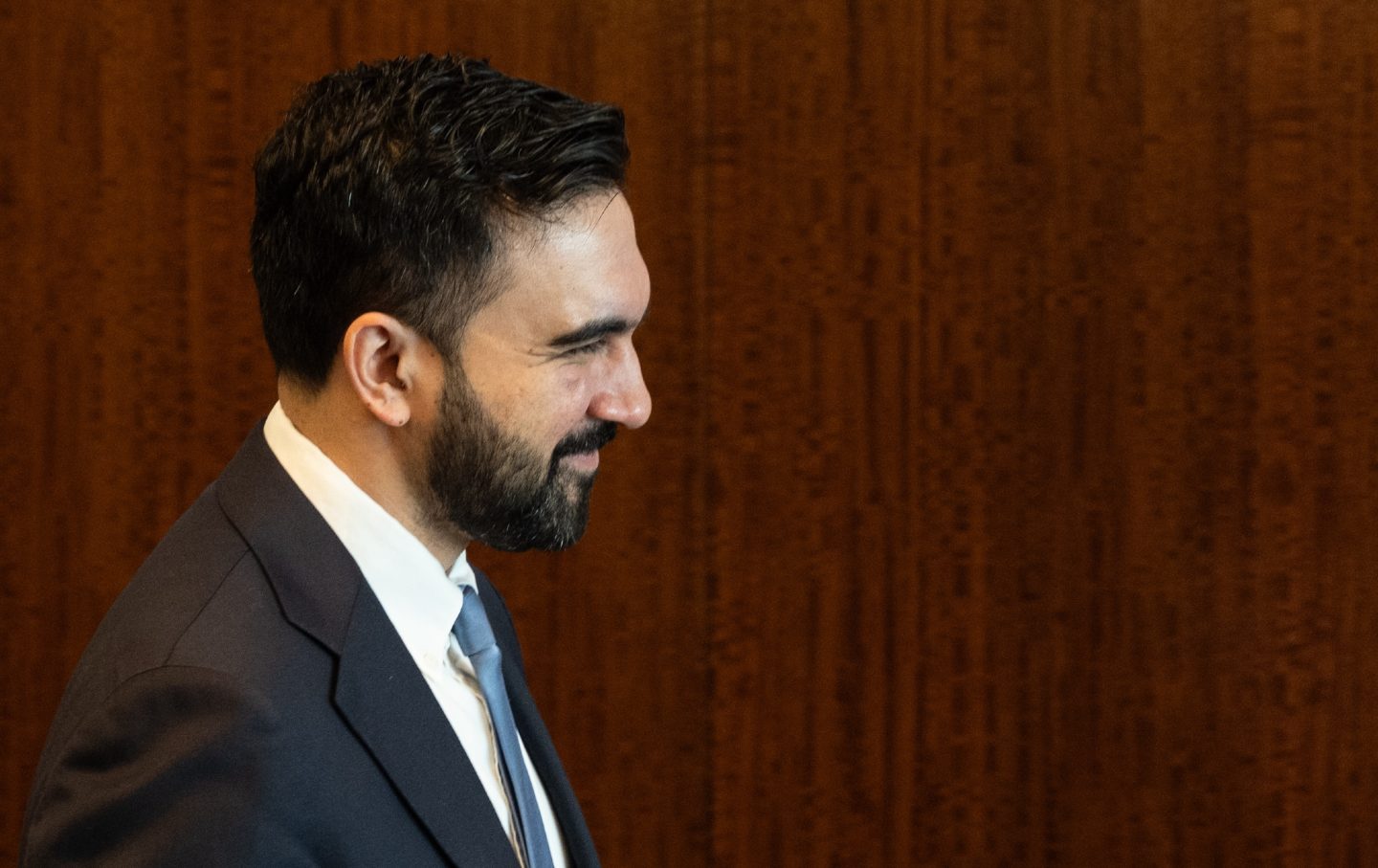
The core strategic conflict centers on the perceived political alignment of Mayor Mamdani, who holds the distinction of being New York’s first Muslim mayor. His presence at a traditionally Jewish event, particularly during a period of heightened geopolitical sensitivity, introduced an element of political risk that forced performers and organizers to make immediate strategic decisions. Rosenfeld’s public cancellation represents a calculated choice to prioritize audience alignment and brand integrity over contractual obligations, signaling a strategic response to the perceived implications of sharing a platform with Mamdani. The incident demonstrates that for cultural institutions today, perceived political alignment is as critical a programming consideration as artistic merit.
Institutional Response and Stakeholder Risk Management
For event organizers like Michael Dorf, who has cultivated the Downtown Seder brand over three decades, the incident posed a significant challenge to institutional stability and brand equity. The decision to invite Mayor Mamdani, while potentially intended as an act of inclusion or bridge-building, introduced an unforeseen level of volatility that threatened the event’s established identity. The subsequent cancellation by a high-profile performer like Rosenfeld necessitates a re-evaluation of programming strategy, demonstrating the difficulty of balancing political neutrality with a desire for high-profile guest appearances in a polarized environment.
The host’s post-event description of Mamdani’s remarks as “heartfelt” serves as a strategic attempt at narrative control and risk mitigation. By framing the mayor’s contribution positively, Dorf sought to justify the decision to proceed with the event despite the controversy and mitigate potential reputational damage among attendees and future participants. This response highlights the institutional imperative to manage stakeholder perceptions and maintain the event’s long-term viability, even when faced with immediate internal and external pressures. The economic implications extend beyond immediate ticket sales; a high-profile cancellation can damage an event’s reputation for stability, affecting future sponsorship and performer recruitment.
Performer Positioning and Market Segmentation Dynamics
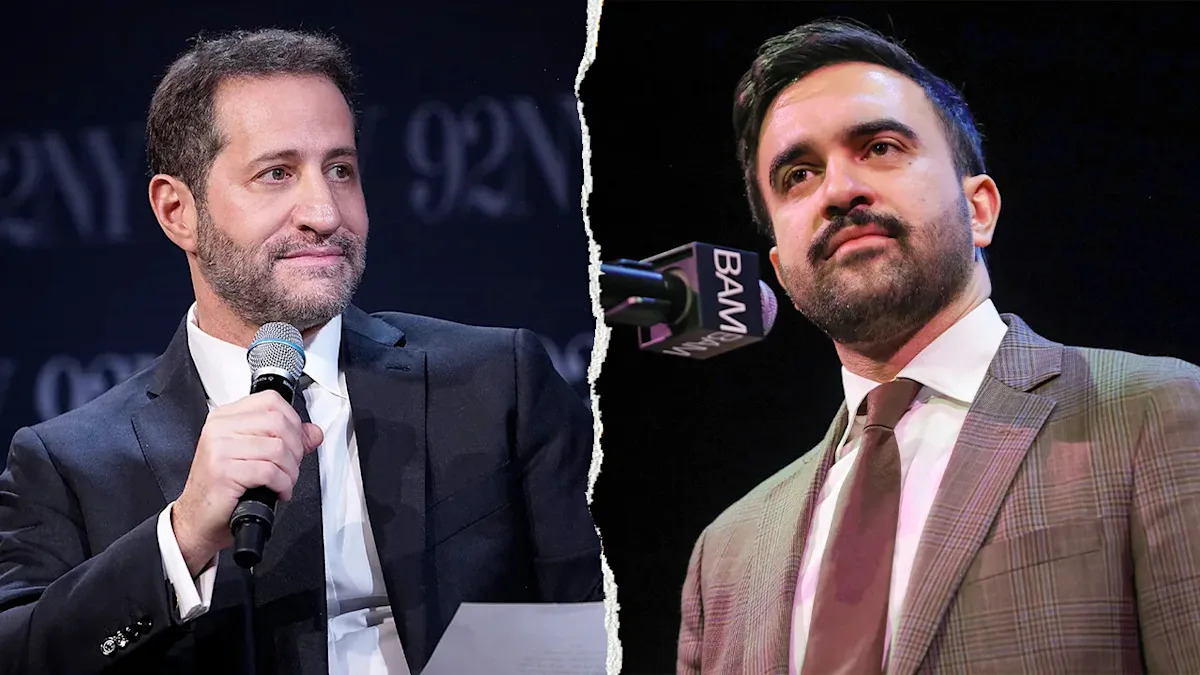
The incident illuminates a critical divergence in strategic responses among performers operating within the same cultural sphere, highlighting a shift toward market segmentation based on political alignment. While Rosenfeld chose to cancel, Israeli musician David Broza attended and performed, singing “If I Had a Hammer.” This contrast illustrates different risk appetites and brand positioning strategies. Rosenfeld’s decision aligns him with a segment of the audience that prioritizes political alignment and perceived solidarity, potentially strengthening his appeal within a specific niche market. Broza’s attendance, conversely, positions him as an artist willing to engage in dialogue or prioritize the event’s broader themes of unity, even in the face of political controversy.
External pressure exerted by comedian Elon Gold, who called for both Rosenfeld and Broza to cancel, further underscores the competitive dynamics at play. Gold’s public statement creates a high-stakes environment where performers are forced to take a public stance, potentially alienating segments of their audience regardless of their choice. This dynamic highlights how political polarization creates competitive leverage, forcing artists to choose between broad appeal and niche alignment, thereby segmenting the market based on political litmus tests rather than artistic merit alone. The long-term implication for market segmentation is increased competitive pressure on artists to maintain consistency in their public associations, making neutrality increasingly difficult.
Identity Politics, Narrative Control, and Future Precedent
The specific identity of Mayor Mamdani as the first Muslim mayor of New York adds a layer of complexity regarding representation and inclusion in a traditionally Jewish event. The controversy highlights the institutional challenge of navigating identity politics in a diverse urban environment. While inviting Mamdani may have been intended to promote interfaith dialogue, the resulting backlash demonstrates the difficulty of achieving this goal without alienating other key stakeholders. The incident forces a re-evaluation of how cultural institutions define their mission in relation to political figures and identity groups in a highly polarized context.
The media narrative surrounding the event shifted from a celebration of tradition to a political controversy, demonstrating the power of external events to redefine cultural programming. Rosenfeld’s announcement on social media allowed him to immediately frame his decision for his audience, bypassing traditional media filters. This direct communication channel empowers performers to manage their brands independently, but also increases the volatility of events, as conflicts can escalate rapidly and publicly. The Downtown Seder incident sets a new precedent for institutional decision-making in cultural programming. Event organizers must now consider the potential for political conflict when inviting public figures, demonstrating that perceived political alignment, rather than just official role, can be the primary factor influencing participation. This accelerates market segmentation where institutions must choose between explicit alignment for niche appeal and strict neutrality to avoid risk, making genuine interfaith dialogue more difficult to achieve in practice.