The Paradox of Peak Performance: Why Elite Coaches are Fleeing the NCAA
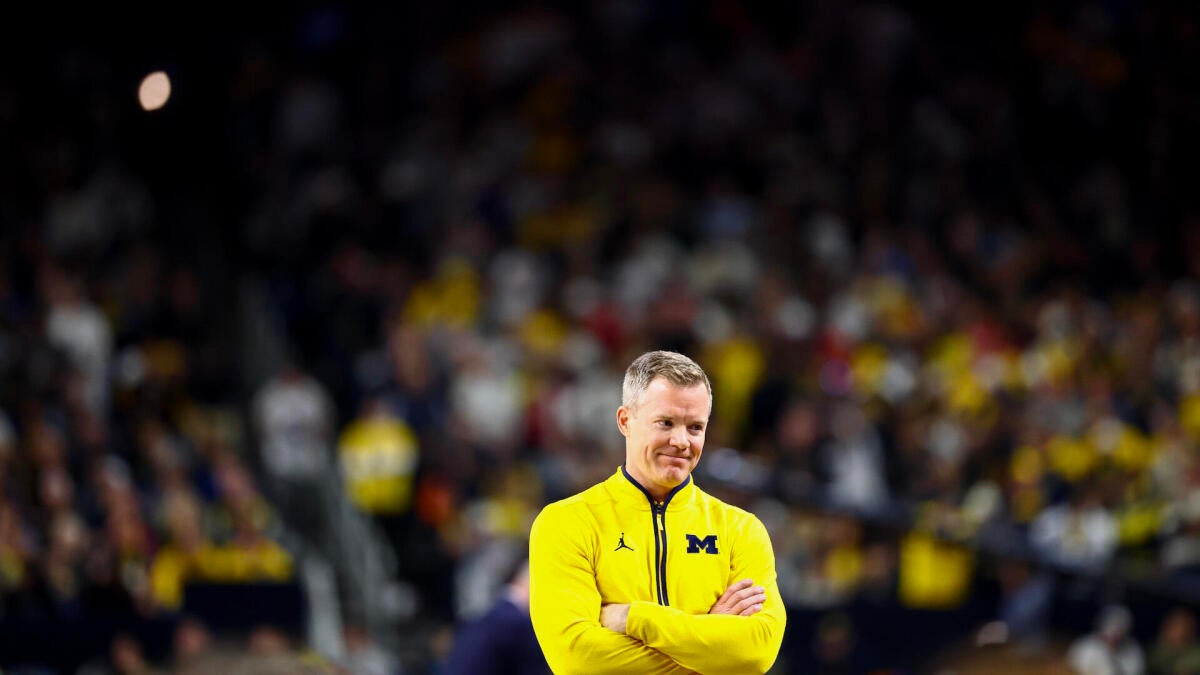
Dusty May’s transition to the Dallas Mavericks, following a historic tenure at Michigan, represents more than a personal career advancement; it serves as a diagnostic marker for the systemic volatility currently defining collegiate athletics. When a coach moves to the professional ranks immediately after securing a national title, it challenges the traditional hierarchy of ‘destination jobs’ and suggests that the prestige of collegiate legacy is being outweighed by the attrition of its operational model.
The Recruitment Quagmire: NIL and the Transfer Portal
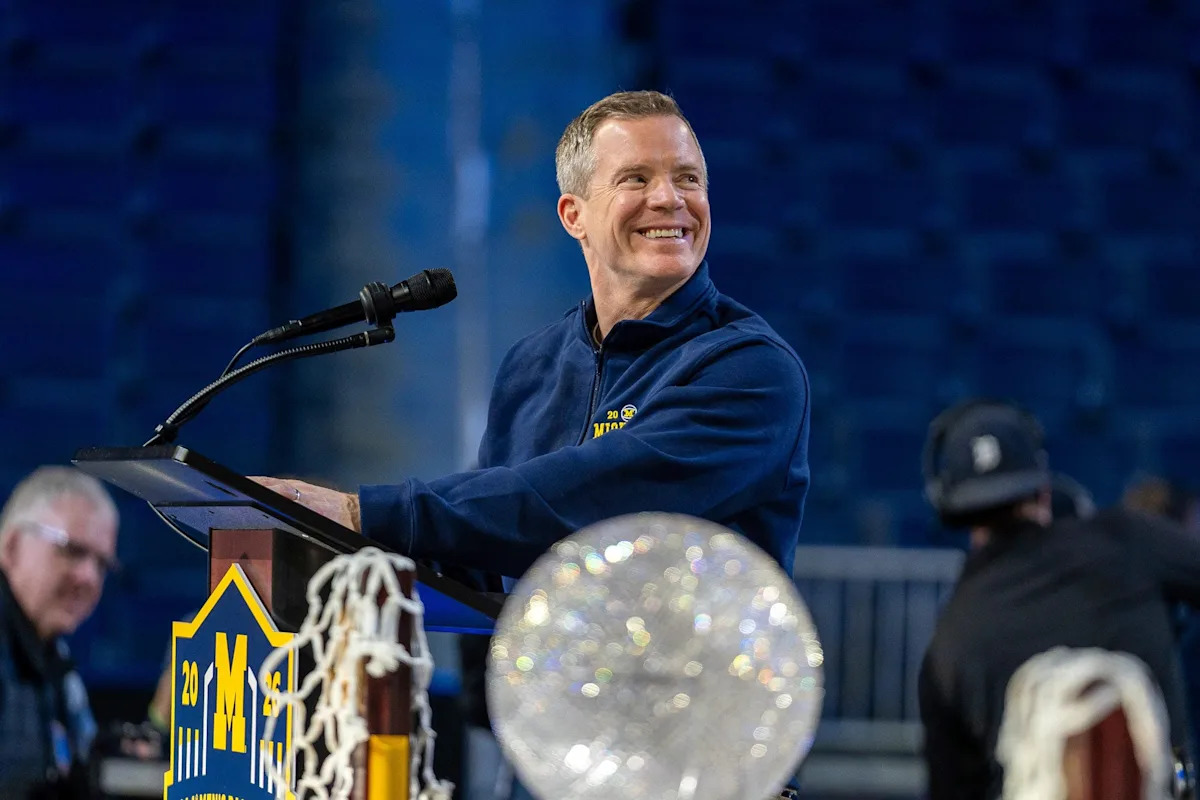
The primary catalyst for this migration is the administrative exhaustion associated with the ‘perpetual recruitment’ cycle. As May noted during his Henry Iba Award acceptance, the modern collegiate environment has evolved into a 24-hour talent-retention crisis. The intersection of Name, Image, and Likeness (NIL) and the Transfer Portal has effectively transformed head coaches into general managers of fluid, short-term rosters.
This ‘operational burden’ diverts focus from tactical development to continuous capital acquisition. For elite strategists, the NBA offers a more specialized mandate, where player personnel management is decoupled from the coach’s daily responsibilities, allowing for a return to pure technical execution. Michigan’s appointment of Mike Boynton Jr. as an interim stabilizer highlights the defensive posture programs must now adopt to prevent immediate roster dissolution in the wake of leadership turnover.
Market Recalibration and the NBA Talent Pipeline
May’s departure signals a shift in how professional franchises value collegiate success. The NBA is increasingly scouting the NCAA not just for athletes, but for leaders capable of navigating high-scrutiny, high-variance environments. This creates a ‘talent drain’ where the collegiate level serves as a high-pressure laboratory for the professional ranks, yet lacks the structural stability to retain its most successful innovators.
The long-term implications for Michigan—and the NCAA at large—are significant. Institutional agility is now the primary metric of success. Programs that cannot mitigate coaching burnout through enhanced support staff and streamlined NIL infrastructure risk becoming revolving doors for talent. May’s move to Dallas is a clear indicator that for the modern elite coach, the ‘sweetness’ of a national championship is increasingly tempered by the unsustainable cost of maintaining it.