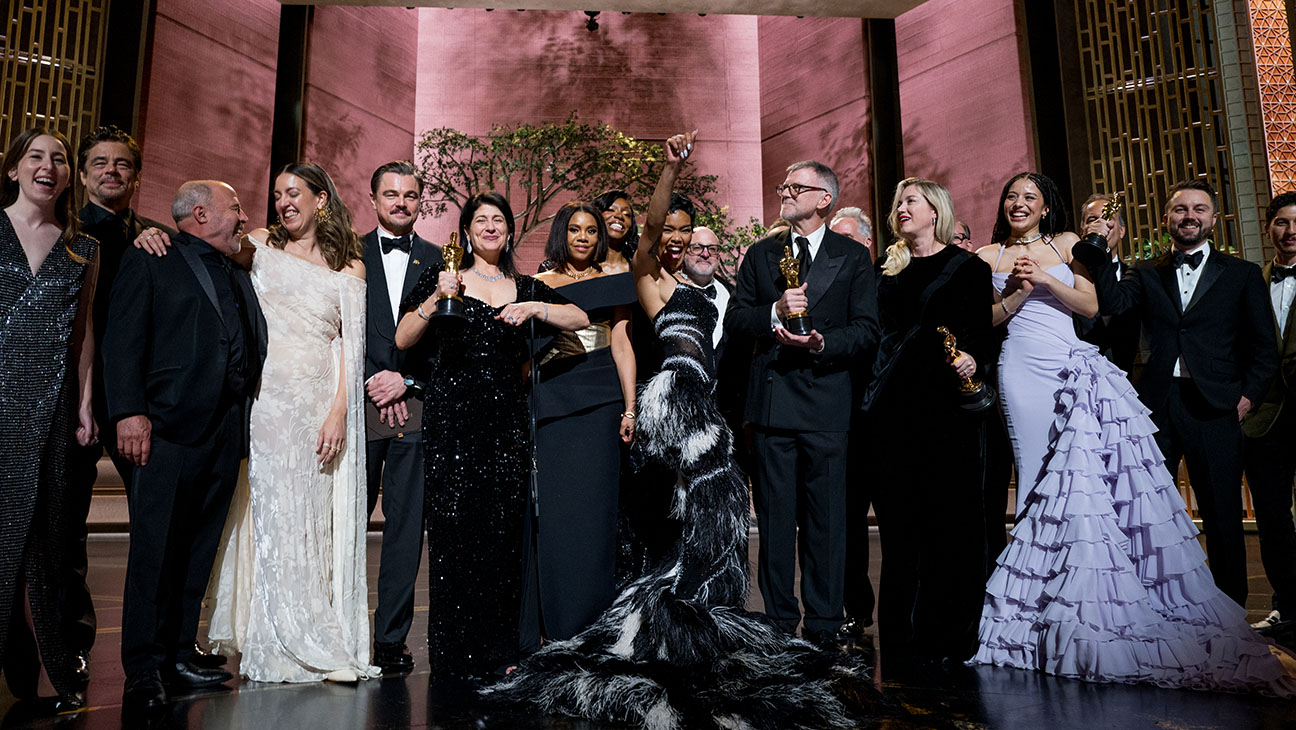
The 98th Academy Awards established a definitive transition in Hollywood’s institutional mechanics, favoring consolidated, data-driven consensus over late-season narrative volatility. While the awards cycle was framed as a competitive endurance test, the final results demonstrated the resilience of early-season momentum against the localized, often misleading signals of individual guild ceremonies.
Statistical Reliability and the Preferential Ballot
The Best Picture victory for One Battle After Another validated a trajectory established by consistent wins at the Gothams, Golden Globes, and BAFTAs. This outcome effectively neutralized the ‘late surge’ narrative surrounding Sinners, which had gained temporary visibility following a high-profile ensemble win at the Actor Awards. This divergence underscores a structural gap: the best cast prize has accurately predicted the Best Picture winner in only 15 of the last 32 instances, suggesting that guild enthusiasm frequently fails to penetrate the broader Academy electorate.
The Academy’s preferential ballot continues to function as a stabilizer, rewarding films with broad, cross-disciplinary support rather than those generating concentrated excitement within specific branches. By maintaining its position as a consensus choice across technical guilds and international critics, One Battle After Another leveraged the structural safeguards of the preferential system to secure its win.
Demographic Globalization and Electorate Dynamics
The ceremony served as a benchmark for the Academy’s decadal demographic transformation. The current membership is younger and more international, fundamentally altering traditional campaigning. This globalized voting bloc is increasingly insulated from the localized ‘hype cycles’ of Los Angeles, prioritizing sustained cinematic excellence over high-touch, domestic marketing blitzes. This diversification introduces complex aesthetic priorities, requiring films to resonate across cultural and generational boundaries to achieve a Best Picture consensus.
Acting Categories: Strategic Restraint vs. Prestige Archetypes
In the acting categories, Jordan’s victory over Chalamet signals a pivot toward visceral, grounded portrayals over the prestige-heavy archetypes that historically dominated the lead categories. Simultaneously, Penn’s win—achieved through minimal campaigning—suggests an institutional fatigue regarding the modern awards circuit. This result implies that the membership is increasingly receptive to performances that stand on independent merit, bypassing the performative humility typically required by the ‘endurance test’ model.
The Auteur Monopoly and Operational Efficiency
A significant highlight was the rare achievement of a single director securing nominations for two distinct films, reflecting a concentration of creative capital. Managing dual high-level campaigns requires sophisticated resource allocation to prevent brand cannibalization. This dual-track success suggests the Academy rewards prolific output when matched by consistent narrative sophistication, signaling a studio strategy where top-tier directors act as institutional hedges during awards season.
Technological Convergence and IP Ecosystems
The integration of interactive media narratives and global franchises like Pokémon Pokopia into the awards conversation reflects the convergence of traditional cinema and interactive IP. This is a strategic move to leverage established properties across platforms to capture diverse audiences. From the success of Protector to legacy-driven projects like EPiC, these established brands provide the financial stability necessary for studios to fund high-risk, auteur-driven contenders like One Battle After Another.
Institutional Consequences: The New Campaign Blueprint
The 98th Oscars solidified a reality where statistical reliability and demographic shifts are the primary drivers of prestige. The failure of the ‘Sinners surge’ suggests that the Academy is becoming resistant to short-term narrative manipulation. For stakeholders, this necessitates a disciplined approach focusing on early-season broad-base building. Ultimately, while technology and membership fluctuate, the structural mechanisms of the preferential ballot and cross-guild consensus remain the final arbiters of cinematic value.