Positional Optimization Amid Divisional Volatility
The Detroit Tigers’ decision to deploy Javier Báez in left field represents a sophisticated tactical pivot within a high-leverage divisional race. Orchestrated by manager A.J. Hinch, this transition from a Gold Glove-winning shortstop to the outfield highlights an operational preference for lineup optimization over rigid positional adherence. The maneuver is a direct response to the void left by All-Star Riley Greene, whose hamstring injury necessitated a redistribution of defensive assets to maintain offensive momentum.
Roster Architecture and the Influx of Youth
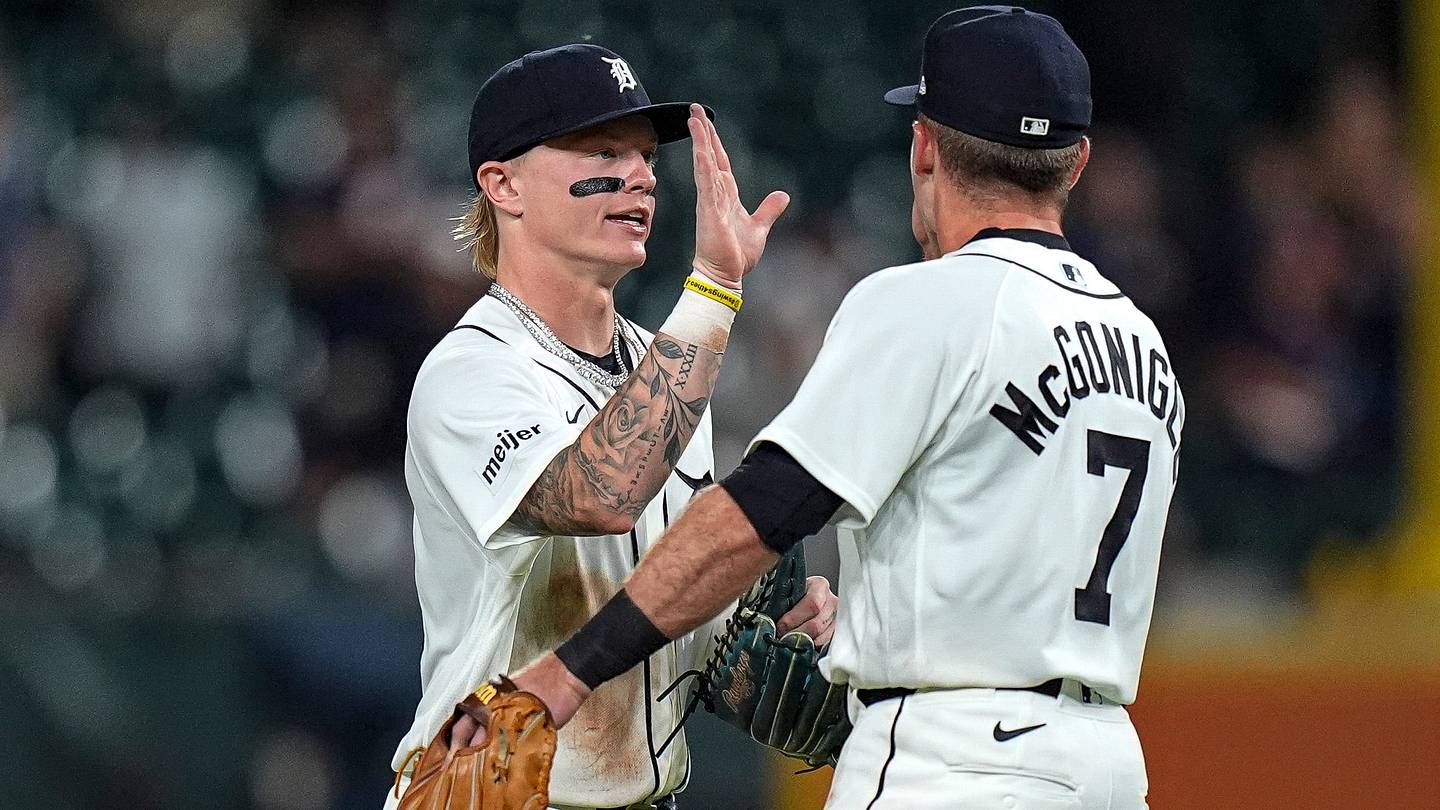
The emergence of a high-ceiling core—featuring rookie Max Clark and middle infielders Kevin McGonigle and Hao-Yu Lee—has forced a structural evolution of the Tigers’ roster. Integrating these prospects while managing veteran contracts requires a calibrated balance between developmental minutes and immediate performance requirements. With McGonigle occupying shortstop and Gleyber Torres at second base, the defensive interior has transitioned toward a more agile configuration, allowing the team to leverage Báez’s athleticism in a secondary capacity.
Financial Leverage and Performance Metrics
Báez’s 2026 campaign has been defined by limited availability, with only 35 appearances due to injury. However, his .285 batting average and .700 OPS remain critical to the Tigers’ playoff aspirations. From a fiscal standpoint, the organization must maximize the utility of his contract by utilizing him in roles that accommodate the current roster’s specific needs. His willingness to adopt a multi-positional role facilitates the inclusion of high-upside bats against specific pitching archetypes, such as left-hander Parker Messick.
Mitigating Operational Risks
The transition is not without strategic risk. Left field requires specialized route-running and an innate understanding of warning-track geometry—skills Báez has had little opportunity to refine at the professional level. The Tigers are essentially wagering that his elite baseball instincts can compensate for a lack of reps. The success of this experiment will be measured by the team’s ability to prevent extra-base hits without sacrificing the offensive gains Hinch’s lineup adjustments aim to secure.
Divisional Implications and Strategic Trajectory
Every decision is now filtered through the lens of a narrow win-loss margin as Detroit chases the Chicago White Sox for the AL Central lead. Recent losses underscore the necessity of defensive cohesion behind starters like Troy Melton and Keider Montero. This period serves as a litmus test for the Tigers’ front office, revealing their ability to navigate personnel disruptions through data-driven versatility. The strategic pivot toward a ‘post-Greene’ alignment demonstrates a modern management philosophy that prioritizes situational advantages over traditional baseball norms.