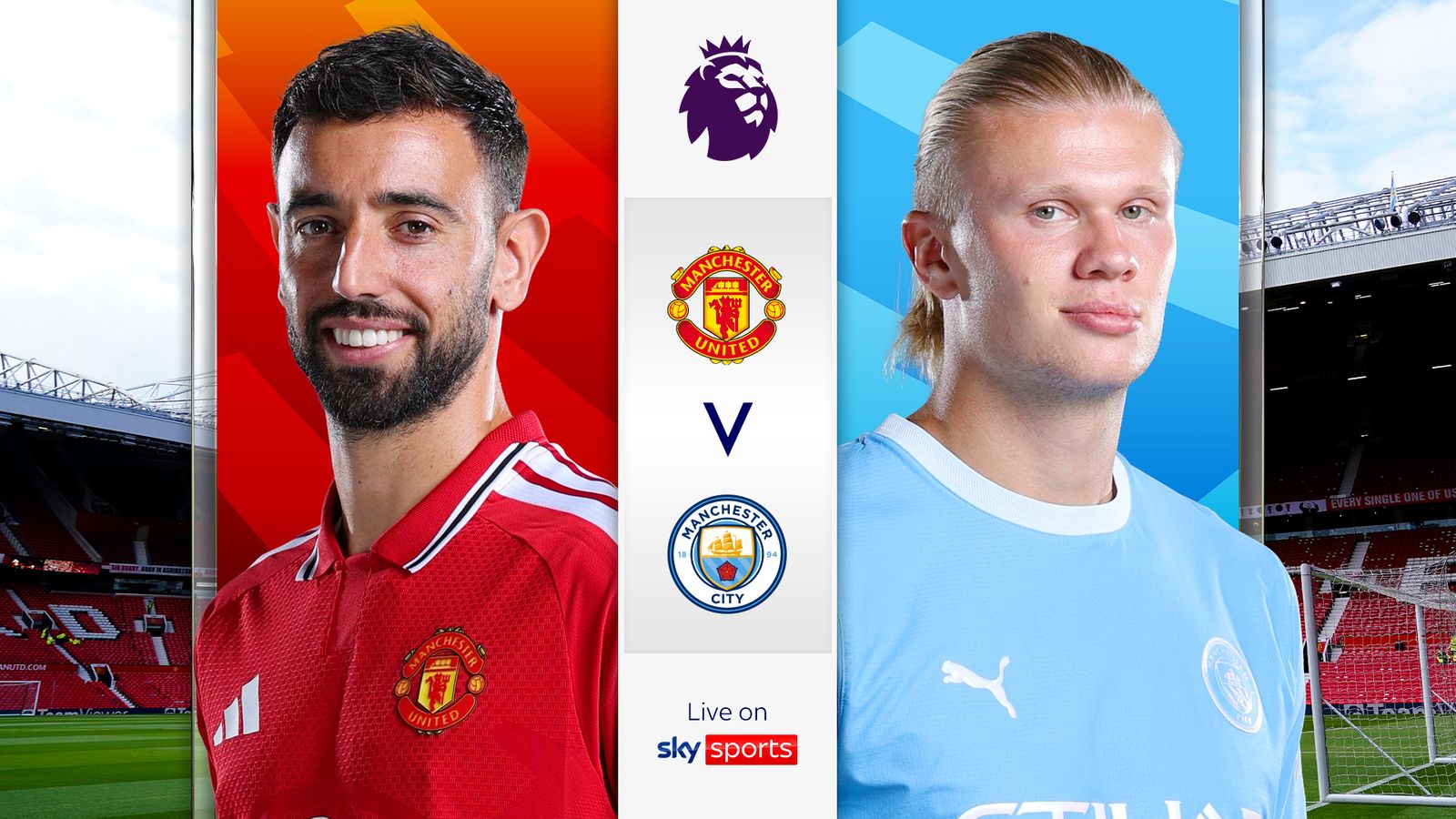
The Manchester derby at Old Trafford signals a profound institutional recalibration for English football. As the Premier League moves beyond the decade-long tactical shadow of Pep Guardiola, the fixture transitions into a volatile era defined by new leadership philosophies. This vacuum of established dominance introduces a period of strategic uncertainty for Manchester City and a critical opportunity for Manchester United to reclaim regional parity.
The Maresca Mandate: Efficiency vs. Fluidity
Enzo Maresca’s tenure has commenced with a 100% domestic win rate, yet internal analytics suggest a squad in transition rather than peak optimization. While City has secured 12 points from 12, the clinical fluidity that defined the previous regime has been replaced by a more pragmatic, results-oriented efficiency. The strategic objective for this derby is mathematically precise: a victory by a minimum of two goals is required to overtake Arsenal and seize the league summit via superior goal metrics.
Phil Foden remains the pivot for City’s offensive output. Maresca’s challenge lies in balancing the aggressive verticality required to meet the two-goal threshold against the defensive discipline needed to mitigate counter-pressing vulnerabilities. Failure to achieve a dominant scoreline may embolden critics who label the current iteration of City as ‘unconvincing,’ despite their statistical success.
Carrick’s Permanent Tenure: Breaking the Cycle of Inconsistency
Michael Carrick’s appointment as permanent head coach represents Manchester United’s move toward internal stability. Despite historical success in this fixture—including a previous 2-0 win as an interim manager—Carrick’s squad continues to struggle with structural ‘inefficiency.’ Recent performances, oscillating between dominant victories and defensive lapses against lower-tier opposition, underscore a project still searching for tactical equilibrium.
The inclusion of Marcus Rashford is a deliberate attempt to exploit the high defensive lines often utilized by Maresca. For Carrick, this match is a litmus test for his permanent mandate; it is an opportunity to prove that United can transition from a reactionary counter-attacking side to one capable of sustained tactical control against elite opposition.
Tactical Implications: The Two-Goal Threshold
The requirement for a multi-goal victory creates a unique risk-reward dynamic for Manchester City. This mandate necessitates an expansive shape that may expose the backline to United’s transitions. Historical data—showing five City wins and four United wins in the last ten meetings—indicates a narrowing competitive gap. The outcome likely hinges on the midfield battle, specifically whether United’s compact mid-block can disrupt City’s service to Foden while maintaining the stamina to launch vertical attacks.
Commercial Positioning and Global Impact
Beyond the pitch, the derby remains a primary revenue driver for the Premier League’s broadcast partners, including Sky Sports and NBC. The global marketing of the ‘new era’ narrative revitalizes a rivalry that previously faced stagnation. As high-value assets like Foden and Rashford face off, the match serves as a showcase for individual star power, critical for the league’s digital engagement and sponsorship valuation metrics.
Conclusion: A Shifting Power Dynamic
This encounter is a strategic crossroads. For City, it is a test of systemic resilience post-Guardiola. For United, it is the pursuit of a definitive identity under Carrick. As the league ecosystem adjusts to these shifting hierarchies, the results at Old Trafford will dictate the psychological momentum of the title race and the long-term viability of both managerial projects.