
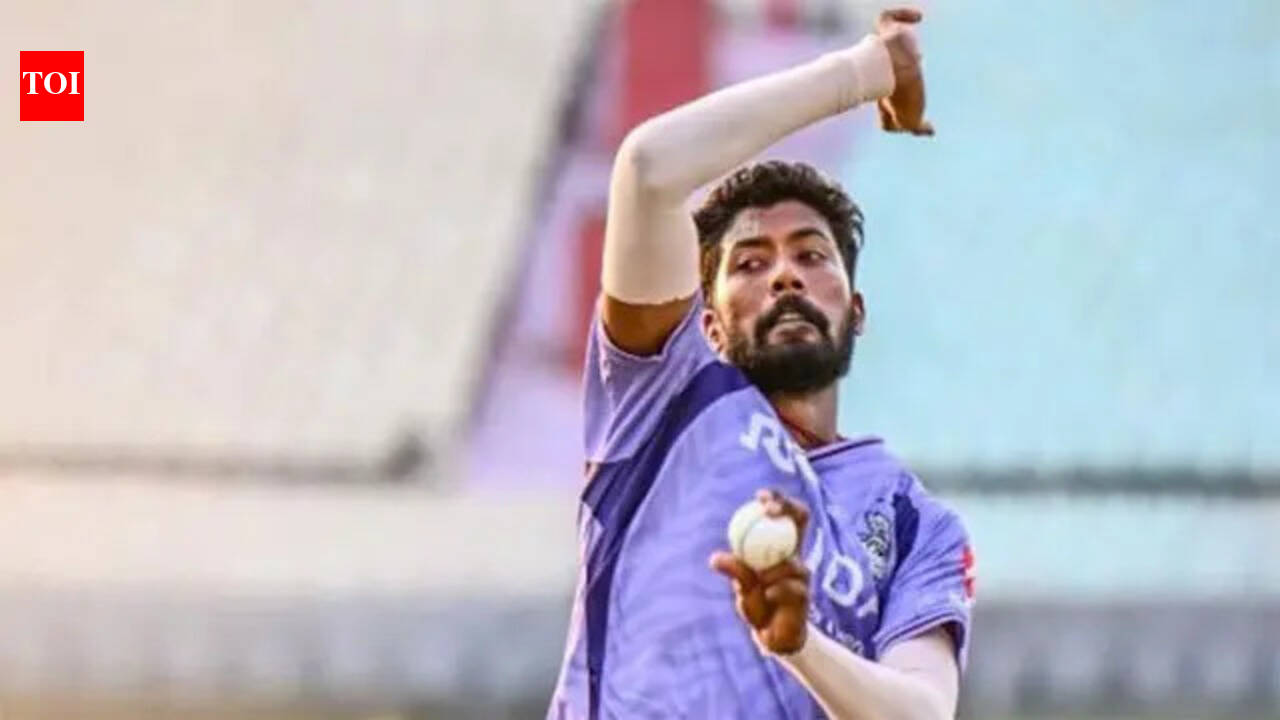
The tactical landscape of the 2026 Indian Premier League’s 57th fixture has undergone a profound shift following the late withdrawal of Varun Chakravarthy from the Kolkata Knight Riders (KKR) starting XI. Sidelined by a physical niggle, the mystery spinner’s absence forced management into a fundamental departure from their established defensive blueprint. In his stead, KKR has introduced Saurabh Dubey, a 28-year-old left-arm pacer, signaling a move from mid-innings containment to a more aggressive, angle-based attack.
The Tactical Vacuum: Loss of Middle-Over Control
Chakravarthy’s unavailability creates a complex operational vacuum for captain Ajinkya Rahane. As a primary wicket-taker during the middle overs, Chakravarthy’s ability to extract turn while maintaining a suppressed economy rate has been the cornerstone of KKR’s mid-season resurgence. Without his mystery spin to stifle opposition momentum, the burden of containment now shifts to an experimental unit, potentially offering the Royal Challengers Bengaluru (RCB) top order a higher projected scoring rate.
The timing of this injury is critical. With KKR navigating a must-win phase for playoff qualification, losing a high-performance asset tests the depth of their recruitment strategy. The transition forces a recalibration of bowling rotations, requiring the team to compensate for the missing overs of elite spin that have historically disrupted opponent rhythm.
Saurabh Dubey: The Left-Arm Pace Pivot
The selection of Saurabh Dubey as an impact substitute represents a deliberate effort to exploit the tactical advantages of the left-arm angle. While Dubey is a newcomer to the high-pressure IPL ecosystem, his inclusion suggests KKR is prioritizing variety to challenge the footwork of RCB’s right-handed heavy batting lineup. This shift from mystery spin to conventional pace alters the technical requirements for the opposition, who must now adjust to different trajectories and swing patterns.
Dubey’s elevation during a playoff-defining encounter is a significant test of temperament. It also underscores the importance of domestic scouting networks in identifying specialized talent capable of filling voids left by marquee players. His performance will be a benchmark for KKR’s ability to adapt to sudden personnel volatility.
Institutional Stakes and Playoff Trajectory
For the KKR franchise, the implications extend beyond the scoreboard. Qualification for the playoffs remains a vital performance indicator influencing brand valuation, sponsorship leverage, and player retention strategies. Integrating a new asset like Dubey under these high-stakes conditions highlights the volatile nature of sports management, where injury contingencies can dictate seasonal ROI.
With RCB electing to field first, KKR faces the added pressure of setting a formidable target. Without their primary defensive weapon available for the second innings, the batting order must now provide an expanded cushion for a modified bowling attack. This narrows the margin for error significantly, placing a premium on elite-level batting execution.
Operational Efficiency and the Impact Player Rule
Utilizing Dubey as an impact substitute demonstrates the maturing utility of the IPL’s specific regulations. It allows KKR to balance the XI at the toss while retaining the flexibility to respond to real-time match conditions. However, this reliance on substitutes to replace star performers highlights the inherent risks in squad construction; should the substitute fail to replicate the impact of the original player, the structural integrity of the bowling attack faces total compromise.
As the tournament nears the 60-match mark, the physical toll on players like Chakravarthy becomes a decisive factor. Managing cumulative fatigue is now as essential to franchise success as tactical planning. The outcome of this KKR vs RCB clash will ultimately validate whether KKR’s culture of collective performance can withstand the loss of individual brilliance.

Photo by muralinath on Pixabay.