Strategic Implications of the Matchday 12 Summit
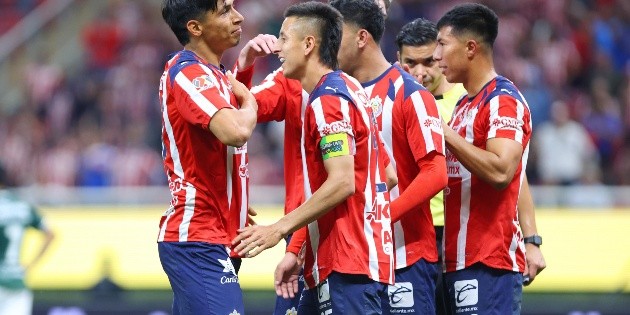
The Matchday 12 fixture at Estadio BBVA presents a stark contrast in momentum within the Clausura 2026 landscape. Chivas Guadalajara arrives as the definitive league leader, seeking to solidify its mathematical advantage before the FIFA international window. Conversely, Monterrey occupies ninth place, grappling with a competitive recession defined by a solitary victory across their last seven outings. This encounter serves as a litmus test for Monterrey’s depth and Chivas’ ability to sustain elite performance under the pressure of external expectations.
Operational Logistics as a Performance Lever
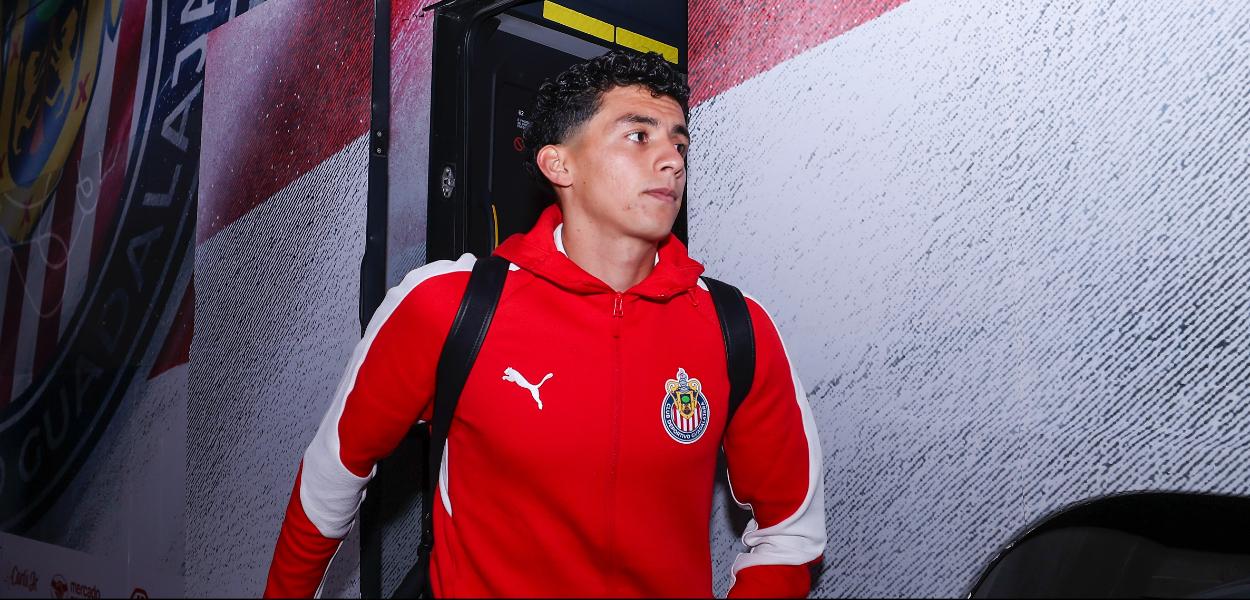
Guadalajara’s approach to this away fixture reflects a high-performance methodology. By integrating a morning training session with a strictly controlled nutritional and travel schedule, the club minimizes physiological disruption. Establishing a base at the Quinta Real in San Pedro Garza García provides a secluded environment for tactical briefings, effectively neutralizing the logistical volatility of visiting a major metropolitan hub. This administrative precision underscores the club’s current commitment to maintaining its status as a premier national brand.
Monterrey’s Structural Fragility and Personnel Crisis
The competitive integrity of the Rayados is currently compromised by an unprecedented injury crisis. The absence of creative anchors Sergio Canales and Lucas Ocampos removes the primary engines of Monterrey’s offensive transition. Furthermore, the unavailability of defensive assets including Stefan Medina, Daniel Aceves, and Erick Aguirre—largely due to muscular pathologies—exposes potential systemic failures in workload management. With Víctor Guzmán sidelined by suspension, coach Nicolás Sánchez is forced into a reactive tactical posture, relying on goalkeeper Luis Cárdenas to mitigate defensive lapses.
Historical Precedent and Psychological Asymmetry
Statistically, the Estadio BBVA has transitioned from a fortress into a favorable venue for Guadalajara. Chivas has secured six victories in the last decade at this location, a trend that grants the visitors significant psychological leverage. For Monterrey, reversing this historical underperformance is critical for institutional stability. However, the disparity in squad availability suggests that Chivas will likely dictate the tempo, utilizing their full roster to exploit Monterrey’s lack of tactical flexibility in the match’s closing phases.
Stakeholder Consequences and Market Trajectory
The outcome carries substantial weight for commercial and sporting stakeholders. For Chivas, a victory validates a model focused on domestic talent and operational consistency, enhancing brand equity. For Monterrey, a defeat could trigger an internal audit of the current sporting project, as the return on significant capital investment remains stagnant. As both teams approach the FIFA break, the result will determine whether the subsequent two weeks are spent on strategic refinement or crisis management.