Anthropogenic Attractants and Ecological Thresholds
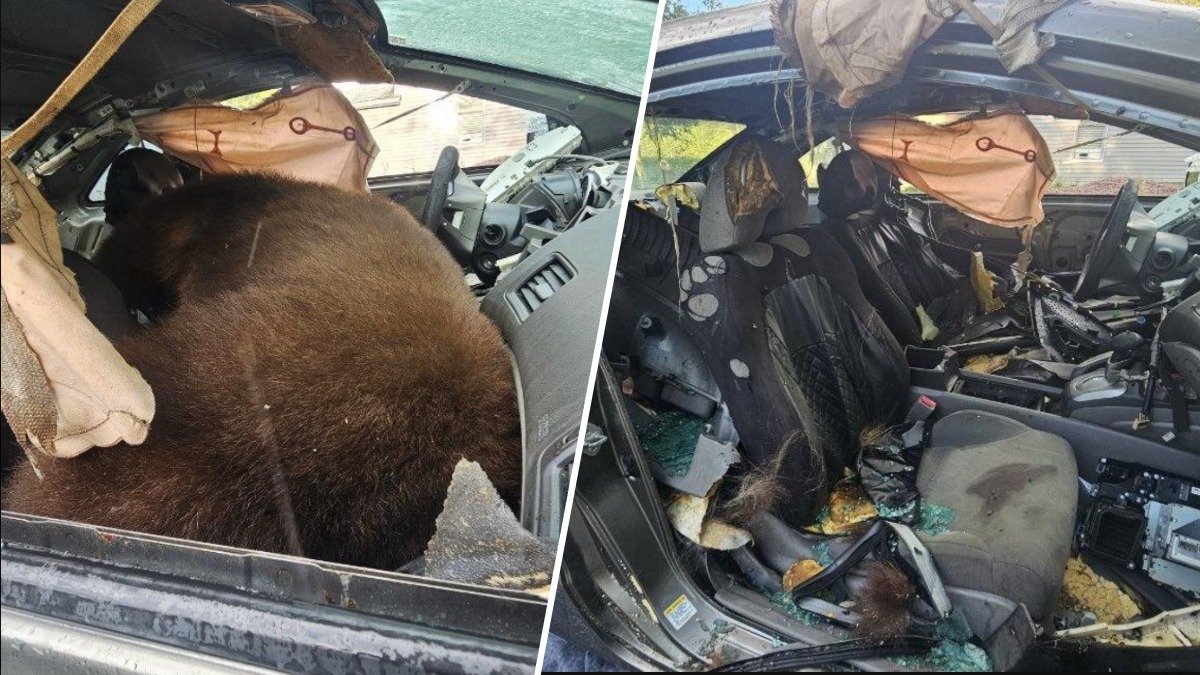
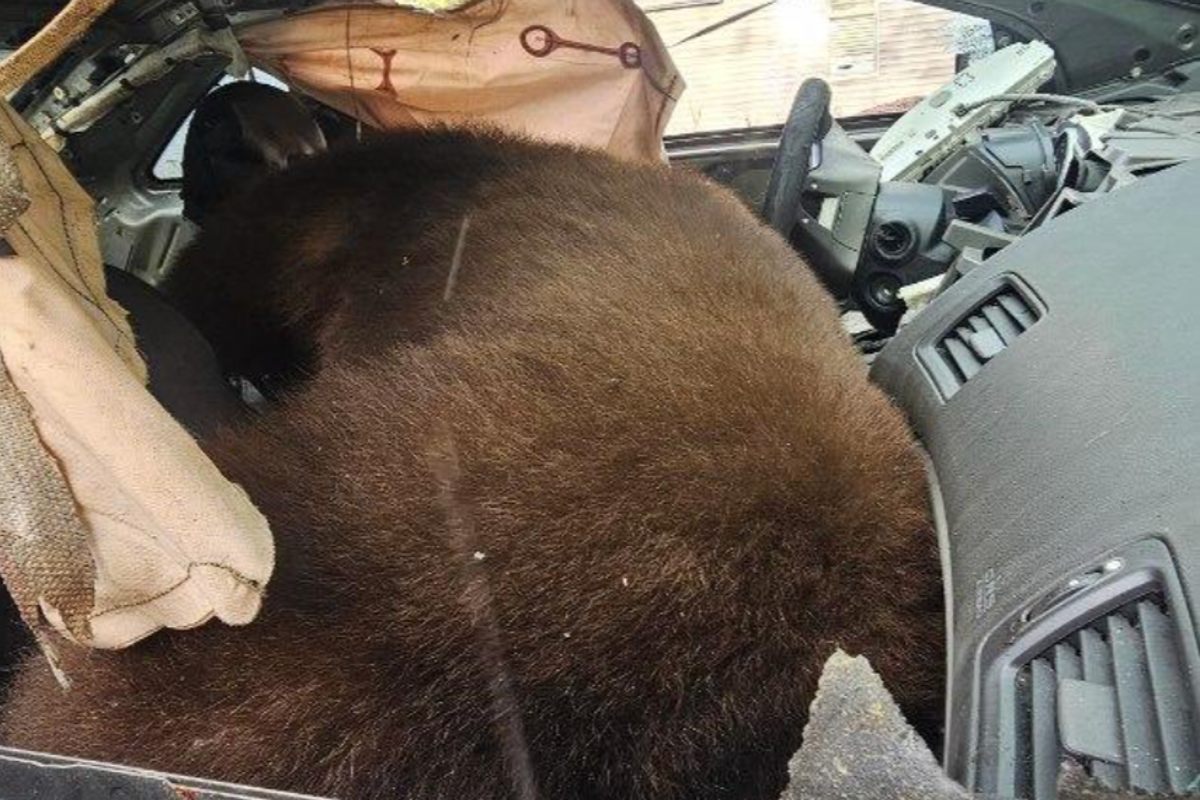
The recent mortality of a 300-pound black bear within a vehicle in Colorado Springs serves as a critical case study of the escalating volatility at the urban-wildland interface. This incident—resulting from the animal’s ability to manipulate a door handle and its subsequent inability to egress—highlights a widening gap between ursine cognitive adaptation and human preventative vigilance. As bears increasingly identify vehicles as high-calorie caches, the ‘lock-your-doors’ advisory transitions from a suggestion to a vital component of municipal risk mitigation.
Statistical Volatility: The 96% Surge
Data from Colorado Parks and Wildlife (CPW) quantifies a massive shift in regional wildlife dynamics. From January 1 through August 13, 2024, bear-related reports spiked to 6,129—a 96% increase over the 3,115 reports documented during the same period in 2023. This doubling of conflict volume indicates that the regional ecosystem has reached a tipping point, where traditional wildlife management protocols are being outpaced by the frequency of human-wildlife interactions.
This surge places immense operational strain on CPW. The agency’s capacity to deploy personnel for mitigation, relocation, or euthanasia is increasingly diluted by a data influx that necessitates more automated or community-driven response frameworks. The administrative burden of processing over 6,000 incidents in under eight months suggests that current state resources are reaching a point of diminishing returns.
Ecological Drivers: Drought and Resource Competition
The primary catalyst for this behavioral shift is regional environmental stress. Persistent drought has depleted natural forage—such as berries and mast—in traditional habitats, forcing megafauna into anthropogenic environments. In these urban corridors, the density of high-value attractants (refuse, unsecured vehicles, and bird feeders) offers a caloric return that far exceeds natural foraging efforts. This drought-induced migration effectively rebrands residential neighborhoods as primary foraging grounds, creating a permanent rather than seasonal presence of large predators.
Economic Liability and Actuarial Shifts
The financial consequences of these incursions are substantial. A 300-pound bear in a state of confinement-induced panic can cause total mechanical and aesthetic destruction of a vehicle interior within hours. As these incidents normalize, insurance underwriters may begin to categorize the failure to secure vehicles in high-activity zones as contributory negligence. This shift would relocate the financial burden of wildlife damage from the insurer to the property owner, creating a market-driven incentive for adherence to ‘Bear Wise’ protocols.
Tactical Failures in Multi-Agency Response
A secondary event in Manitou Springs, where a bear escaped from local fire department personnel prior to CPW arrival, underscores the tactical complexity of urban wildlife containment. The incident highlights the risks inherent in multi-agency responses where specialized wildlife training is absent. Without standardized containment protocols across all first-responder units, the probability of tactical failure remains high, leading to deferred conflicts rather than permanent resolutions.
Strategic Outlook: From Education to Enforcement
The persistence of the 2024 conflict surge suggests that the current reliance on voluntary public compliance is failing to meet the scale of the threat. While CPW uses graphic visual evidence of vehicle destruction to shock the public into action, the statistical trend indicates that education must be supplemented by enforcement. Future policy may move toward mandatory secure-storage ordinances and fines for negligence, mirroring the regulatory trajectory of other high-conflict municipalities in the Rocky Mountain West.