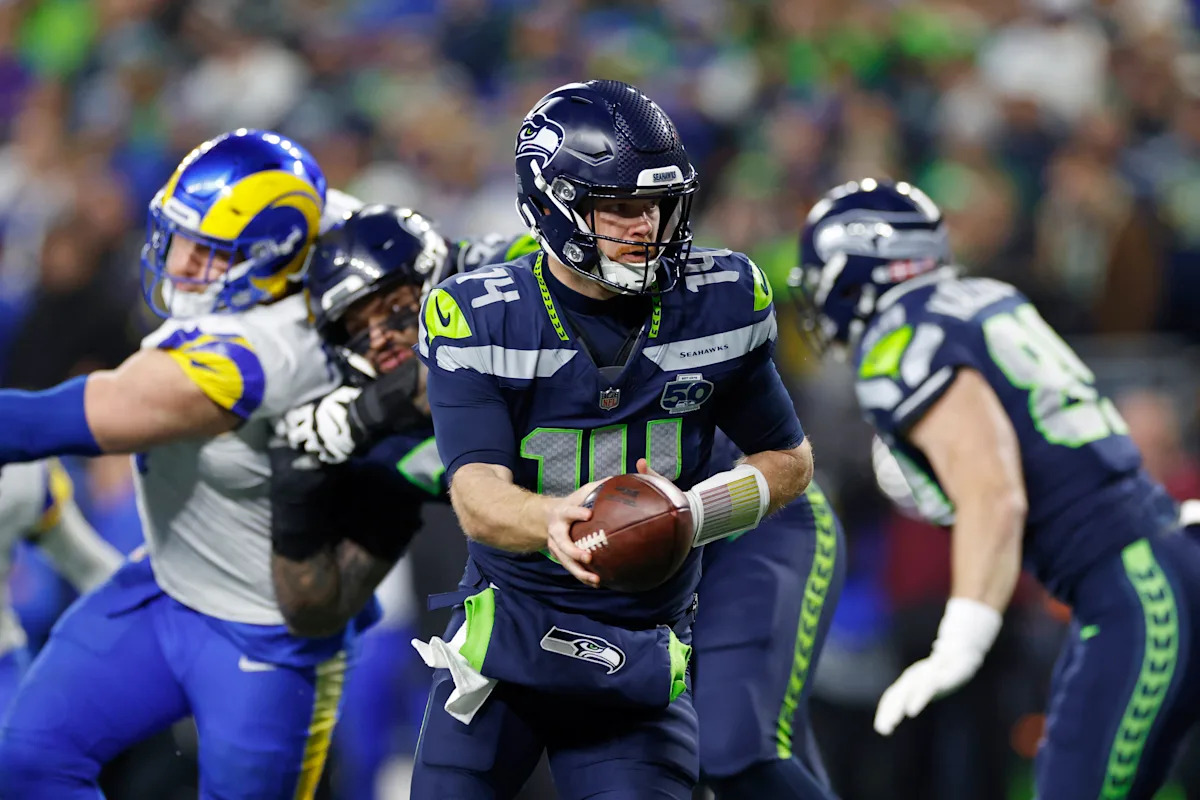
Institutional Framework of the Super Bowl LX Championship
The upcoming Super Bowl LX represents the formal conclusion of the National Football League postseason, serving as a critical point of intersection for professional athletics, global media distribution, and regulated financial markets. The scheduled matchup between the Seattle Seahawks and the New England Patriots is the result of a rigorous institutional process defined by the league’s competitive parity structures and playoff protocols.
As the sixtieth iteration of this championship event, the game functions as a primary vehicle for the NFL’s long-term strategic objectives, including the maintenance of brand dominance in the North American sports landscape. The participation of these two franchises underscores the efficacy of the league’s collective bargaining and talent distribution systems which aim to ensure cyclical competitive relevance for its member organizations.
The Dual-Platform Media Strategy: NBC and Peacock
The selection of NBC and its digital counterpart, Peacock, as the primary broadcasters for Super Bowl LX reflects a significant shift in the administrative management of media rights. This hybrid distribution model is designed to maximize viewership across traditional linear television and emerging over-the-top streaming platforms, addressing a diversifying consumer base.
The logistical coordination required for a 6:30 p.m. ET kickoff involves complex synchronization between the network’s production teams, the league’s marketing department, and municipal authorities. This timeframe is strategically optimized to capture peak domestic audience metrics while remaining accessible to international markets through various licensing agreements and digital relays.
The Global Halftime Show and Cultural Management
The announcement of Bad Bunny as the featured performer for the halftime show indicates a sophisticated approach to global cultural integration. By selecting an artist with significant international reach, the NFL’s entertainment division leverages the Super Bowl platform to expand its demographic footprint beyond traditional sporting audiences.
This performance is managed as a high-stakes production within a restricted temporal window, requiring precise administrative oversight of talent contracts, sponsorship obligations, and technical infrastructure. The halftime show serves not only as entertainment but as a critical commercial component that sustains audience retention during the midpoint of the athletic competition.
Regulatory Framework of Modern Sports Betting
The designation of the Seattle Seahawks as the favored team in the early betting markets is the product of complex analytical modeling and data aggregation. These odds are generated through institutional frameworks that assess performance metrics, historical data, and market sentiment to establish a baseline for regulated wagering.
The integration of detailed betting guides and odds into the broader media coverage reflects the legislative evolution surrounding sports gambling in the United States and internationally. This shift requires rigorous compliance with jurisdictional regulations to ensure market integrity and the protection of both the consumer and the athletic competition’s perceived fairness.
Historical Significance and Franchise Objectives
The New England Patriots enter this contest with the objective of achieving historical milestones within the context of the NFL’s record-keeping infrastructure. While the source material indicates a pursuit of a specific historical precedent, the institutional focus remains on the organizational ability to sustain high-level performance over multiple decades.
The Seattle Seahawks’ position as the favored competitor highlights the analytical consensus regarding the current roster’s efficiency and strategic alignment. This dynamic creates a narrative framework that serves the league’s marketing interests while adhering to the technical realities of professional football competition at its highest level.
Logistical Oversight and National Event Security
While the specific location and municipal details are secondary to the administrative facts of the broadcast and the matchup, the event itself functions as a major logistical operation. This includes the management of physical infrastructure, telecommunications capacity, and the coordination of vast commercial interests centered on a single four-hour window.
The administrative complexity of Super Bowl LX is a testament to the NFL’s maturity as a global entity. Every aspect of the event, from the kickoff time to the selection of the halftime performer, is a deliberate calculation intended to reinforce the league’s position as a central pillar of the modern entertainment and media ecosystem.