Strategic Leverage and Institutional Imperatives Define Concacaf Knockout
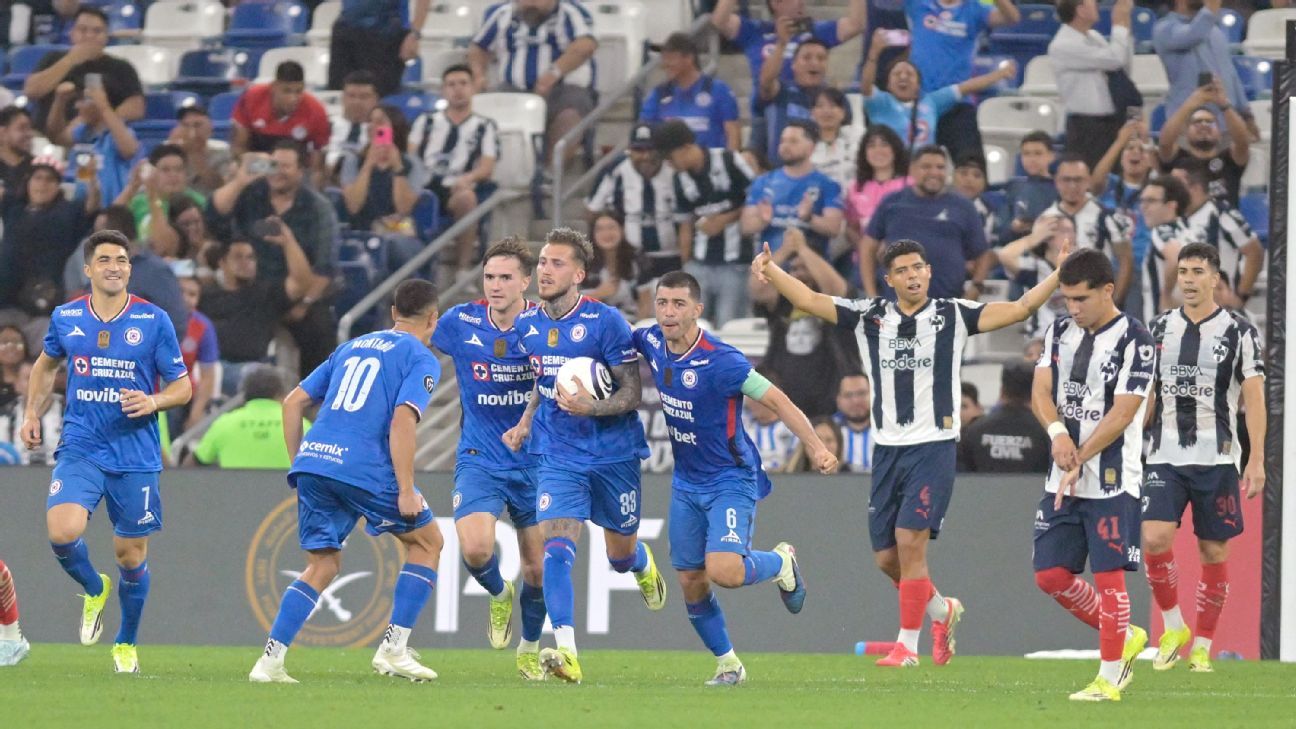
The concluding fixture of the Concacaf Champions Cup Round of 16 between Cruz Azul and Monterrey transcends simple elimination; it is a high-leverage test of institutional ambition and tactical execution. As the sole all-Mexican confrontation, the outcome dictates immediate advancement and carries significant weight for long-term brand equity within the CONCACAF ecosystem.
Cruz Azul enters the decisive second leg holding a substantial strategic advantage, evidenced by their 3-2 first-leg victory on Monterrey’s home ground. This result specifically terminated Monterrey’s five-game home winning streak in the competition and halted their five-match streak of first-leg clean sheets. The psychological pivot caused by the late 90th-minute goal transfers considerable pressure onto Monterrey to dictate the tempo of the return leg.
Asymmetric Risk Profile Created by the Away Goal Rule
The application of the away goal rule fundamentally reshapes the tactical calculus. This rule grants Cruz Azul asymmetric leverage: they can advance by conceding a 1-0 or 2-1 deficit in the second match. This security allows Cruz Azul to adopt a calculated, potentially conservative strategy focused on counter-punching and game management.
Conversely, Monterrey faces a complex risk calculation. Advancement requires winning by a two-goal margin or securing a multi-goal victory (e.g., 3-2 forcing extra time). This mandatory high-intensity, high-press offensive posture inherently exposes their defensive structure, creating exploitable vulnerability for Cruz Azul’s transitional play.
Operational Friction: Venue Displacement and Home Advantage Dilution
The operational context introduces a significant variable: Cruz Azul is hosting at the Estadio Cuauhtémoc in Puebla, rather than their primary venue, Estadio Azteca, due to ongoing stadium procedures. This venue displacement compromises the traditional home-field advantage, affecting fan density, localized logistics, and potential revenue yields. Managing performance under non-standard home conditions tests the administrative resilience required for deep tournament runs.
Coaching Philosophy Under Pressure
Coach Nicolás Larcamón’s strategic directive to treat the second leg as if the score were 0-0—despite the statistical advantage—is a calculated move to counter complacency. This approach aims to uphold the team’s aggressive identity and prioritize proactive performance over reactive defense, aligning with the club’s broader aspirations for dominance. This methodology signals a commitment to developing performance consistency across varying scorelines.
Resource Allocation and Domestic Strain
Both clubs exhibit signs of resource strain due to concurrent domestic and international commitments. Cruz Azul, leading the domestic Clausura 2026, must strategically balance fatigue management and squad rotation to maintain performance parity. Monterrey’s recent domestic draw similarly highlights the taxing schedule.
For Monterrey, the pressure to deliver a deep CONCACAF run—following their 2020-21 title but an early exit last campaign—is magnified. An elimination at this stage would necessitate a re-evaluation of resource allocation efficacy and place increased stakeholder scrutiny on management decisions for subsequent transfer windows.
Competitive Positioning and Global Revenue Pathways
Advancing in the CONCACAF Champions Cup is a strategic imperative linked to global visibility. The winner secures critical momentum and a direct pathway to the FIFA Club World Cup, which offers substantial revenue generation and global exposure. For Cruz Azul, progression validates their strategic investment; for Monterrey, failure represents a significant setback in reasserting regional leadership and competitive standing.