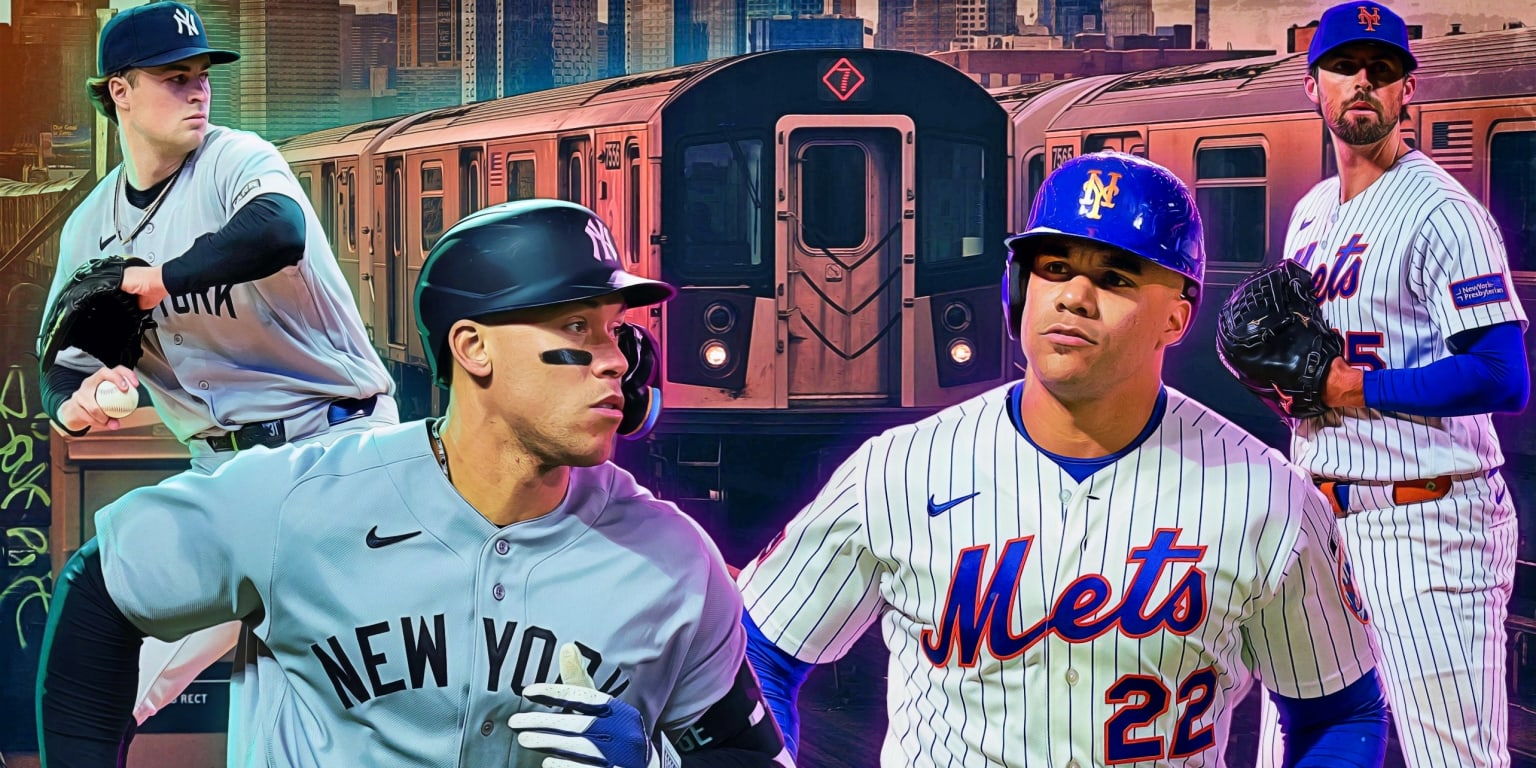
The Strategic Significance of the Subway Series
The 2026 Subway Series serves as a key performance indicator for the organizational health of the New York Mets and the New York Yankees. Beyond the regional rivalry, the series highlights the critical importance of roster depth and pitching efficiency under the intense pressure of the New York market.
The league’s ‘Rivalry Weekend’ initiative demonstrates a shift toward institutionalizing high-stakes matchups. By grouping premium events, the MLB optimizes media valuation and fan engagement, creating a reliable framework for stakeholders to evaluate team performance in high-pressure environments.
Pitching Volatility and Human Capital Risk
The discrepancy between elite performance and injury vulnerability is exemplified by the performance of Cam Schlittler versus the loss of Clay Holmes. Schlittler’s 1.35 ERA and 0.81 WHIP underscore the Yankees’ successful developmental pipeline, translating directly to competitive advantage. Conversely, the mid-series loss of Holmes due to injury forces an immediate transition to secondary starters, testing the Mets’ internal relief depth and tactical flexibility.
Operational Resilience and Tactical Execution
The Mets’ ability to rebound from a low-output offensive performance on Friday to a six-run effort on Saturday illustrates the necessity of operational agility. Success in such environments is rarely about static skill; it is about the coaching staff’s ability to manage fatigue and execute situational adjustments. The reliance on high-velocity specialists like Luke Weaver and Devin Williams reflects a broader MLB trend: the prioritization of specialized arms to stabilize outcomes in condensed, high-leverage schedules.
Financial and Competitive Implications
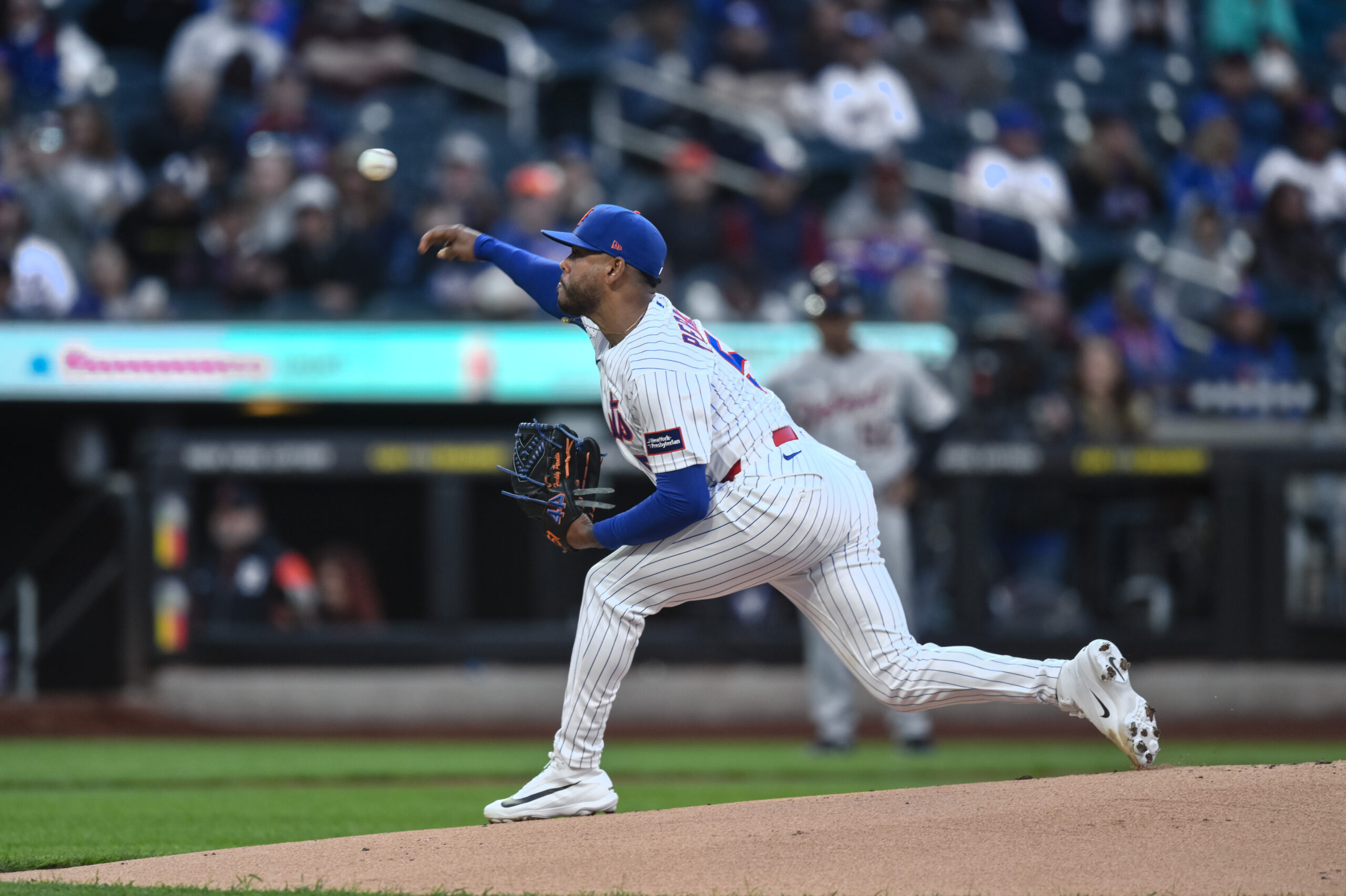
The stakes of this series transcend local broadcast revenue; they influence brand equity and market perception. Players like Freddy Peralta—maintaining a 3.13 ERA—provide the necessary stability that anchors a team’s financial and competitive health. Without such depth in the starting rotation, franchises face systemic risks that can derail seasonal viability when injuries occur.
Data-Driven Roster Construction
The 2026 landscape mandates an analytical approach to roster design. The Mets’ strategy of blending veteran experience with emerging talent is designed to mitigate the risks of a long season. Their defensive performance, particularly in high-leverage situations like escaping a bases-loaded jam, demonstrates the technical discipline required to maintain a championship trajectory.
Long-Term Institutional Continuity
Ultimately, the 2026 season reinforces that the differentiator between elite organizations and the rest of the league is the ability to adapt to instability. The Subway Series serves as a microcosm of modern baseball management, where personnel decisions and bullpen usage are not merely reactive, but calculated maneuvers designed to maximize winning percentage and ensure organizational longevity.