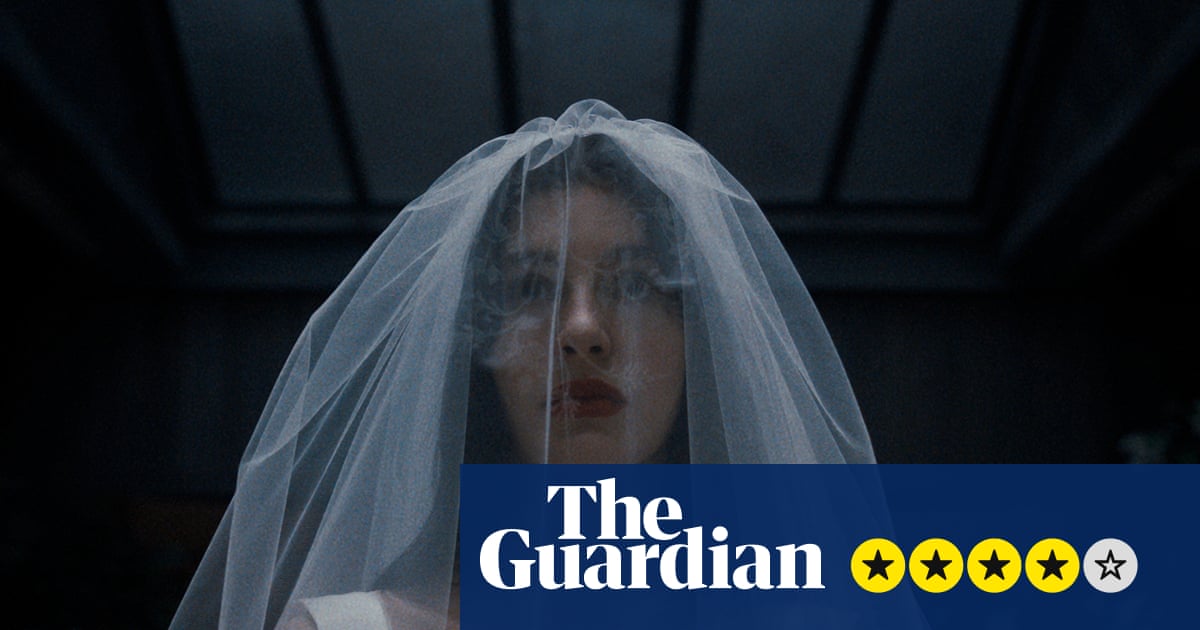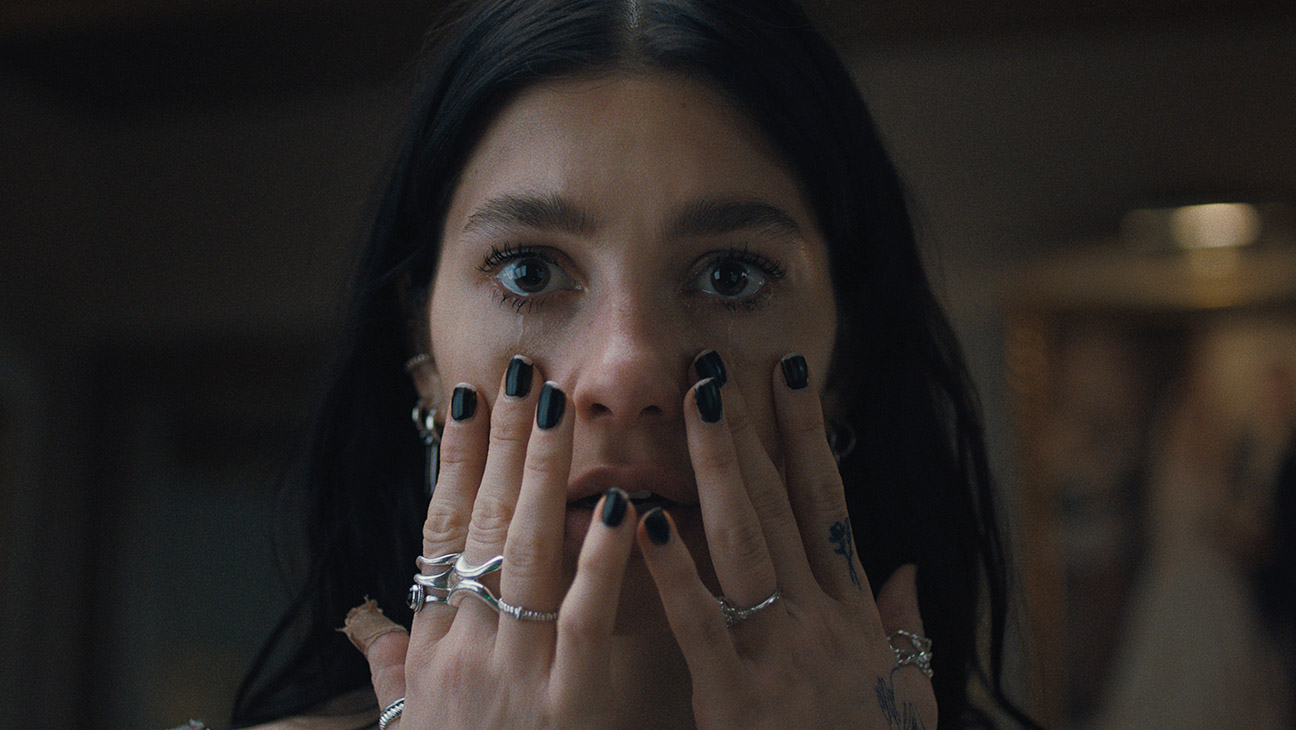
Netflix’s upcoming series Something Very Bad Is Going to Happen signals a sophisticated evolution in the platform’s high-stakes horror ecosystem. By leveraging the creative synergy between showrunner Haley Z. Boston and director Weronika Tofilska, the streaming giant is moving beyond conventional tropes to institutionalize a new brand of atmospheric tension. This project serves as a critical milestone for Upside Down Pictures, representing the Duffer Brothers’ first major executive venture outside the Stranger Things universe.
The Duffer Brothers: From Creators to Curators
The involvement of Matt and Ross Duffer as executive producers indicates a calculated diversification of their production portfolio. By backing a narrative rooted in prenuptial paranoia rather than supernatural nostalgia, the duo is testing the portability of their brand equity. This transition suggests a long-term shift toward a curatorial model, where their established influence is used to shepherd experimental IP that prioritizes high-production values and psychological complexity.
For Netflix, this partnership model mitigates the risks inherent in original horror concepts. By utilizing hit-makers to oversee emerging talent, the platform ensures a baseline of commercial viability while allowing for narrative experimentation. This strategy effectively captures audiences who associate the Duffer name with cultural relevance and cinematic quality.
The Market Logic of Wedding Horror
The series’ focus on a wedding-centric narrative exploits a universal psychological vulnerability: the fear of irreversible commitment. By framing horror within a high-stakes social ritual, the production bridges the gap between traditional slasher elements and prestige psychological drama. This thematic choice targets a broad demographic, grounding the genre’s visceral thrills in relatable interpersonal anxieties.
The eight-episode structure reflects an operational focus on viewer retention. This format is optimized for the ‘binge’ model, providing sufficient narrative runway for character development without compromising the pacing. It allows the show to transition from slow-burn suspense to overt horror—a ‘genre-jumping’ approach designed to maintain engagement in a saturated market.
Strategic Talent Alignment
The casting of Camila Morrone and Adam DiMarco reflects a data-driven approach to talent acquisition. Morrone, following her success in Daisy Jones & the Six, provides critical weight, while DiMarco’s presence—post-The White Lotus—links the series to the ‘prestige TV’ zeitgeist. These selections ensure the series appeals to viewers accustomed to sophisticated, character-driven ensembles.
Furthermore, Weronika Tofilska’s appointment as lead director is pivotal. Her experience navigating the intersection of trauma and dark humor in Baby Reindeer suggests a tonal preference for psychological nuance over repetitive jump scares. Her direction is expected to provide the aesthetic cohesion necessary to distinguish the series from standard genre fare.
The Oregonian Setting and Visual Identity
The choice of a remote Oregon cabin utilizes a familiar horror archetype to anchor its subversive themes. This isolation functions as a narrative pressure cooker, essential for heightening psychological stakes. From a production perspective, the Pacific Northwest setting offers a distinct visual palette that enhances the ‘dark forest’ atmosphere, differentiating the project from urban-centric psychological thrillers.
Metanarrative elements, such as the inclusion of true-crime podcasting themes, acknowledge the audience’s sophisticated understanding of genre mechanics. By integrating these self-aware details, the series subverts expectations and fosters intellectual engagement. This strategy transforms the viewer from a passive observer into a participant in the show’s investigative mystery.
Institutional Implications for Netflix
Something Very Bad Is Going to Happen is positioned as a litmus test for Netflix’s future horror slate. Its performance will likely dictate how the platform greenlights future projects from high-profile showrunners. If successful, it validates the Duffers’ capacity as a production powerhouse capable of sustaining interest beyond their primary franchise.
Ultimately, the project emphasizes the importance of emotional resonance in modern horror. By anchoring supernatural or violent elements in the authentic dread of isolation and commitment, Netflix aims to produce a cultural phenomenon that transcends genre boundaries. This alignment of creator vision and corporate strategy highlights the platform’s commitment to prestige horror as a primary growth driver.