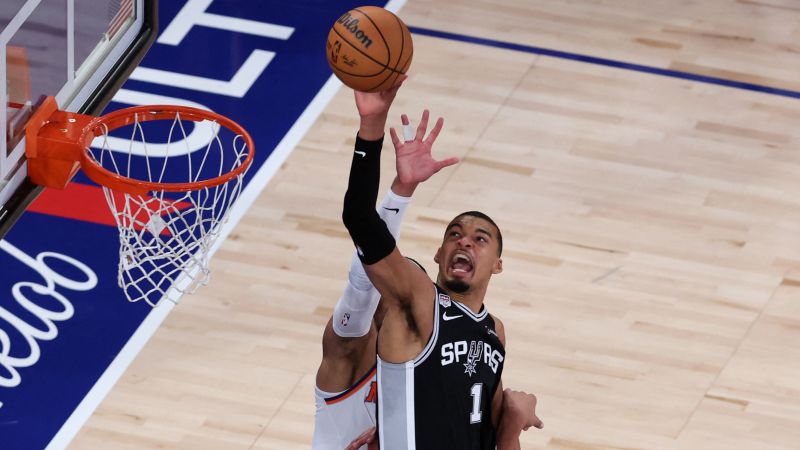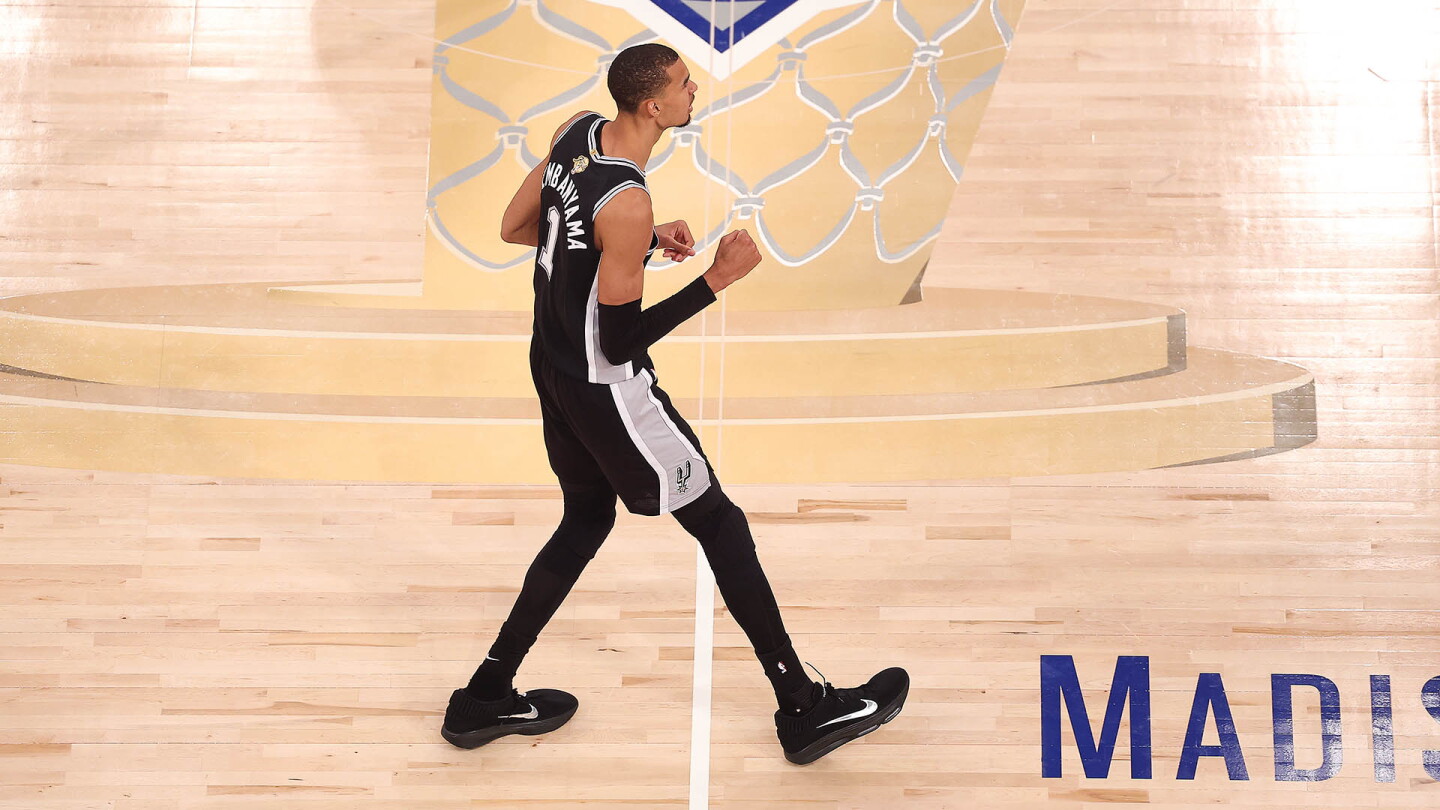
The San Antonio Spurs fundamentally altered the competitive landscape of the NBA Finals on Monday night, securing a 115-111 victory over the New York Knicks. By defending Madison Square Garden’s hostile environment, San Antonio narrowed the series deficit to 2-1, effectively dismantling the narrative of an imminent sweep and forcing a strategic pivot from the Knicks’ coaching staff.
Tactical Recalibration: The Wembanyama Factor
The primary catalyst for the Spurs’ resurgence was Victor Wembanyama’s 32-point masterclass. Beyond the scoring volume, Wembanyama’s presence served as a structural anomaly that disrupted the Knicks’ defensive rotations. Supported by the veteran composure of De’Aaron Fox, whose secondary scoring stabilized the offense during high-leverage stretches, the Spurs demonstrated a significant improvement in late-game execution compared to earlier performances.
For New York, the loss functions as a critical stress test. Despite Jalen Brunson’s leadership, the Knicks’ inability to neutralize Wembanyama’s length and versatility highlights a vulnerability in their defensive identity. The series now enters a phase where tactical adaptability will outweigh raw momentum.
Operational Complexity and Public Order
The game’s logistics were complicated by the attendance of high-profile political figures, including President Donald Trump. This necessitated a multifaceted security apparatus, involving federal and local agencies, which introduced significant logistical friction to standard playoff operations. The intersection of sports and political theater was further evidenced by the polarized crowd reception during the national anthem.
External fan engagement zones faced severe challenges; law enforcement confirmed multiple arrests at a Bryant Park watch party following outbreaks of violence. These incidents highlight the operational risks inherent in managing high-density fan activations and suggest a need for more stringent crowd-control protocols as the series intensity escalates.
Economic and Institutional Implications
From a fiscal perspective, the Spurs’ victory optimizes revenue for the NBA and its stakeholders. Extending the series to at least five games increases advertising inventory, gate receipts for the Madison Square Garden Company, and hospitality sector engagement in New York City. This extension prevents the audience attrition typically associated with lopsided series, sustaining national viewership interest.
Ultimately, Game 3 validates the Spurs’ long-term developmental strategy under Gregg Popovich. The integration of international elite talent into a disciplined system has successfully countered the Knicks’ depth. As Game 4 approaches, the focus shifts to whether San Antonio can achieve tactical consistency or if the Knicks will re-establish their defensive dominance.